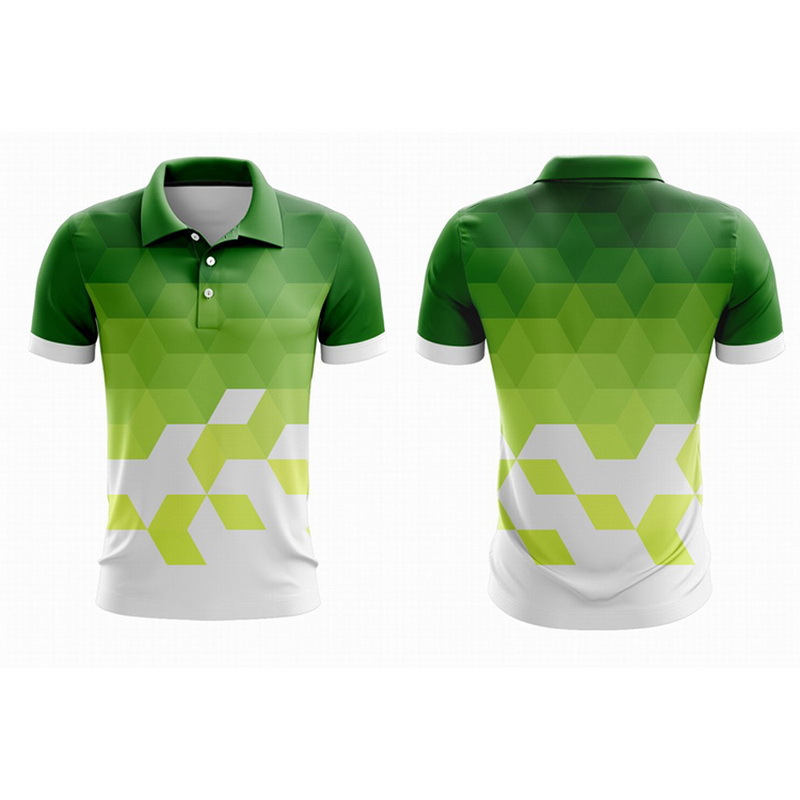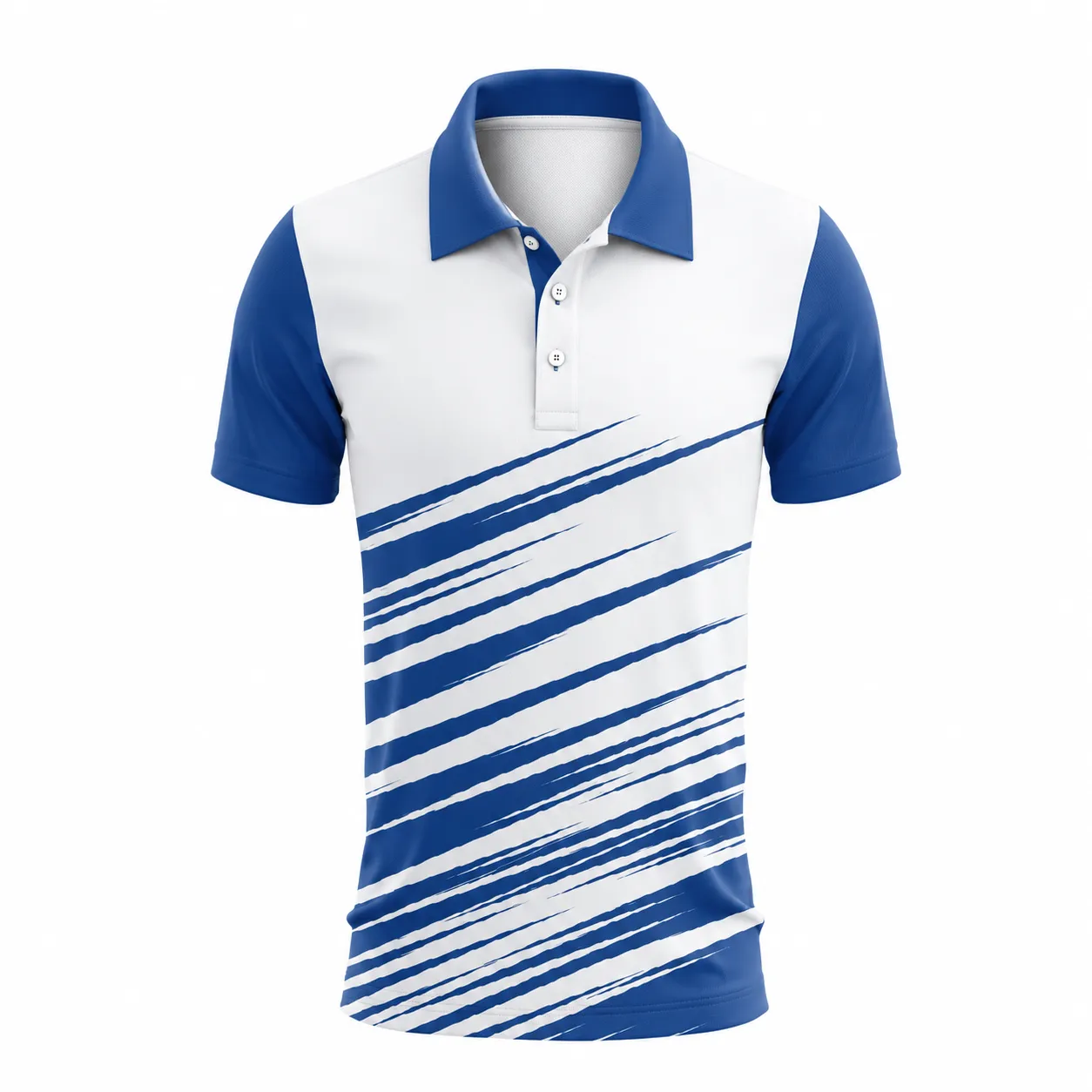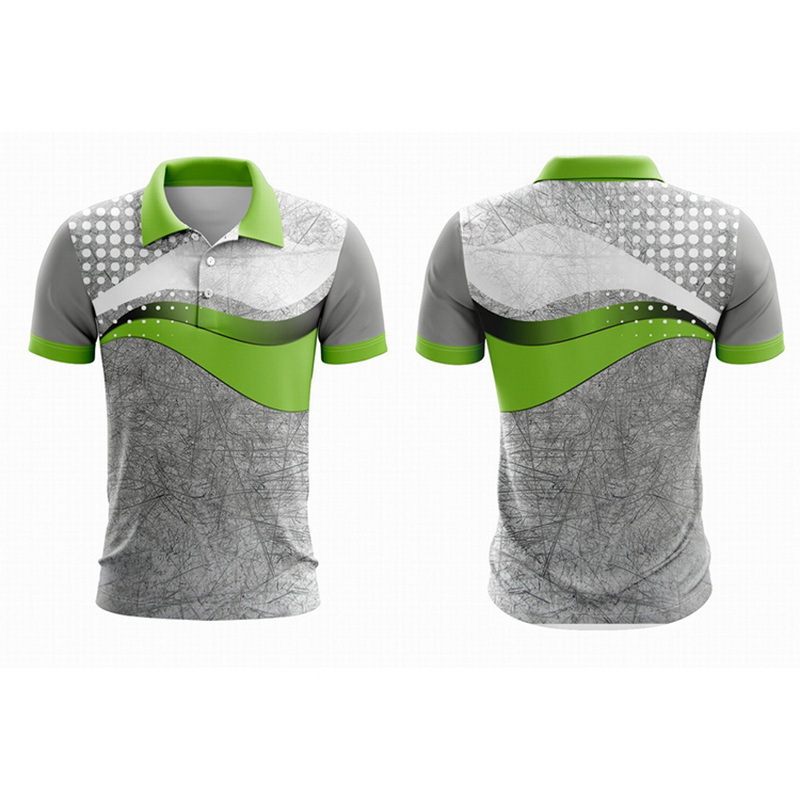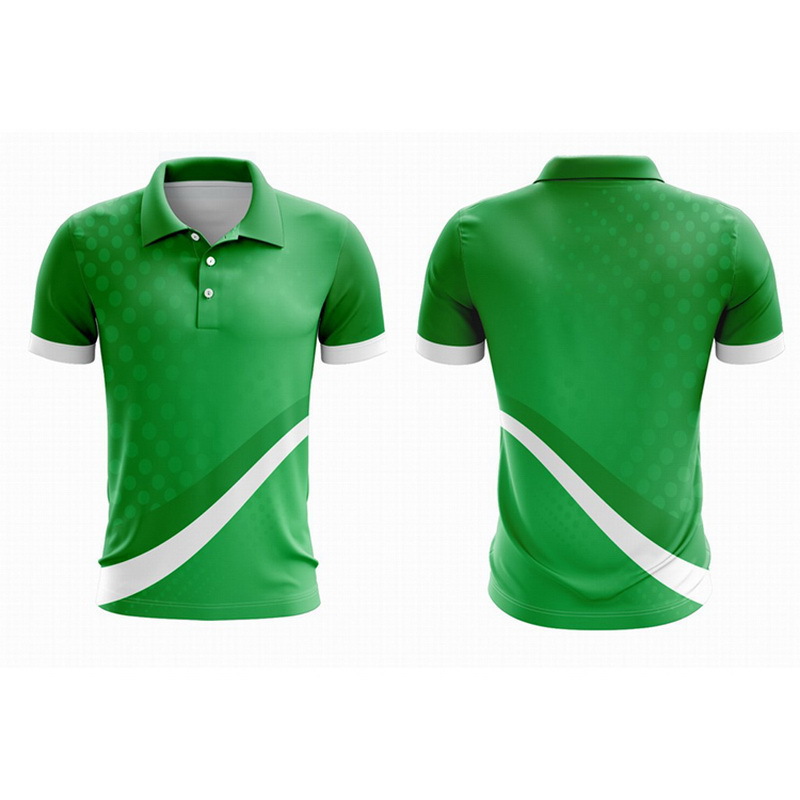
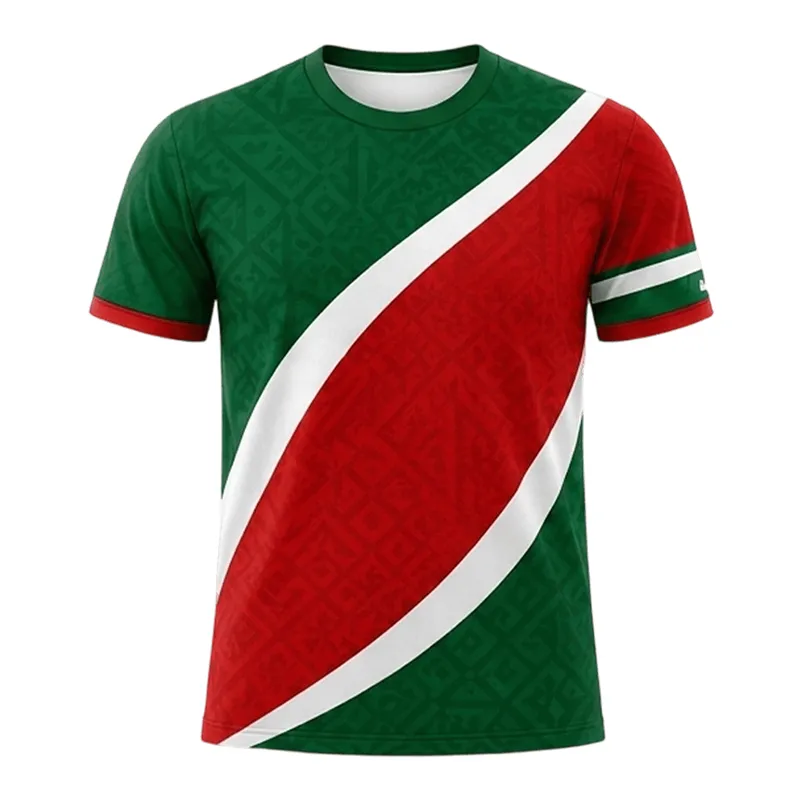
 Tshirt
 Custom Hoodie & Sweat
 Custom Bags
 Flag
Flag
 Towel
Towel
 Custom Scarf
 Cap
Cap

.webp)
.webp)
.webp)
In an era where viral marketing campaigns and geopolitical disruptions can trigger overnight demand spikes, brands face unprecedented pressure to execute rapid large-scale production without compromising quality. The ability to deliver 1 million custom T-shirts, hats, or flags within 14 days has transitioned from a luxury to a strategic necessity.
This article deconstructs how Gahumi’s distributed production network, modular manufacturing systems, and real-time capacity coordination enable brands to tackle emergency orders while maintaining cost efficiency and compliance. For procurement leaders and supply chain managers, understanding this operational model is critical to surviving—and thriving—in today’s hyper-volatile markets.
The Emergency Order Imperative: Why Speed Now Defines Competitiveness
Recent case studies reveal the cost of delays:
- A sportswear brand lost $23M in potential revenue after missing a 3-week window for World Cup-themed scarves.
- A political campaign’s 400,000-flag order arrived 10 days post-election due to factory overload.
Gahumi’s clients, however, leverage a distributed manufacturing ecosystem designed for:
- Simultaneous Multi-Site Production: Splitting 1M-unit orders across 3+ facilities to avoid bottlenecks.
- Dynamic Resource Allocation: Redirecting fabrics, dyes, and labor between product lines (e.g., pivoting from towels to hats within 48 hours).
- Risk Diversification: Mitigating regional disruptions (power outages, port strikes) through geographic redundancy.
Anatomy of a 14-Day Mega Order: 4 Operational Pillars
Pillar 1: Pre-Engineered Modular Workflows
Gahumi’s production lines are designed as interchangeable “plug-and-play” units:
- Standardized Process Banks: Pre-validated workflows for common products (T-shirts, flags) reduce setup time by 70%.
- Cross-Trained Teams: Workers shift between sewing, printing, and packing stations based on real-time demand.
- Pre-Positioned Material Hubs: Strategic stockpiles of 50+ high-demand fabrics (e.g., 180GSM cotton) within 24-hour shipping radius.
Pillar 2: Smart Capacity Mapping
A proprietary ERP system synchronizes 3 factories and 22 partner workshops:
- Real-Time Dashboard: Tracks hourly output per line (e.g., 12,000 hats/day at Factory A vs. 8,000 at Factory B).
- AI-Free Predictive Analytics: Historical data forecasts dye consumption, staffing needs, and QC requirements.
- Automated Order Splitting: Divides 1M T-shirts into optimized batches (e.g., 300K units at main facility, 700K across partners).
Pillar 3: Hyper-Localized Logistics
Gahumi’s network minimizes shipping delays through:
- Regional Packaging Hubs: Pre-printed boxes stored near target markets (e.g., LA warehouses for US-bound flags).
- Dedicated Customs Channels: Pre-cleared HS codes for promotional textiles accelerate border crossings.
- Multi-Modal Transport: Air freight for urgent batches (first 100K units) + sea for cost-sensitive remainder.
Pillar 4: Zero-Compromise Quality Control
Distributed production risks inconsistency. Gahumi counters with:
- Unified QC Protocols: Every facility uses identical inspection checklists (12-point for shirts, 8-point for bags).
- Flying Audit Teams: Deploy within 4 hours to partner workshops for surprise checks.
- Digital Sampling: 3D scans of approved samples ensure global alignment.
Case Study: 1.2M Election Flags Delivered in 13 Days
A Southeast Asian government needed national flags for 1,800 polling stations amid sudden election scheduling:
- Day 1: Gahumi split the order between its main facility (500K units) + 4 partner workshops (700K).
- Day 3: Air-shipped 200K flags from nearest workshop to high-priority regions.
- Day 10: Implemented 24/3 shifts (24 hours daily, 3 rotating teams) to meet surge.
- Day 13: Delivered 99.8% defect-free flags, with 0.2% overproduction buffer for last-minute losses.
Cost vs. Speed: How Distributed Networks Optimize Both
Critics argue expedited orders inflate costs. Gahumi’s model disproves this through:
- Bulk Material Leverage: Centralized purchasing of 500-ton cotton batches reduces per-unit costs by 9%.
- Shared Overhead: Partner workshops share Gahumi’s certifications and training, avoiding duplicate audits.
- Dynamic Pricing: Clients pay 15–20% premiums for 14-day delivery vs. 30%+ at single-factory competitors.
Future-Proofing for Black Swan Events
Gahumi’s roadmap includes:
- IoT Integration: Real-time moisture/temperature sensors in fabric warehouses to prevent spoilage.
- Dual Sourcing for Raw Materials: 2+ suppliers for every critical component (zips, threads).
- Stress Test Drills: Simulating 2M-unit orders to refine response protocols.
Why Gahumi Dominates Emergency Production
With 31 years of crisis-tested expertise, Gahumi redefines what’s possible in textile OEM. Our 5000 sqm hub, 300+ engineers, and vetted partner network transform panic-inducing deadlines into routine deliveries. Whether it’s 1 million protest flags for a sudden movement or 800,000 branded towels for a viral campaign, we turn urgency into opportunity—one precision-stitched product at a time.


.png)