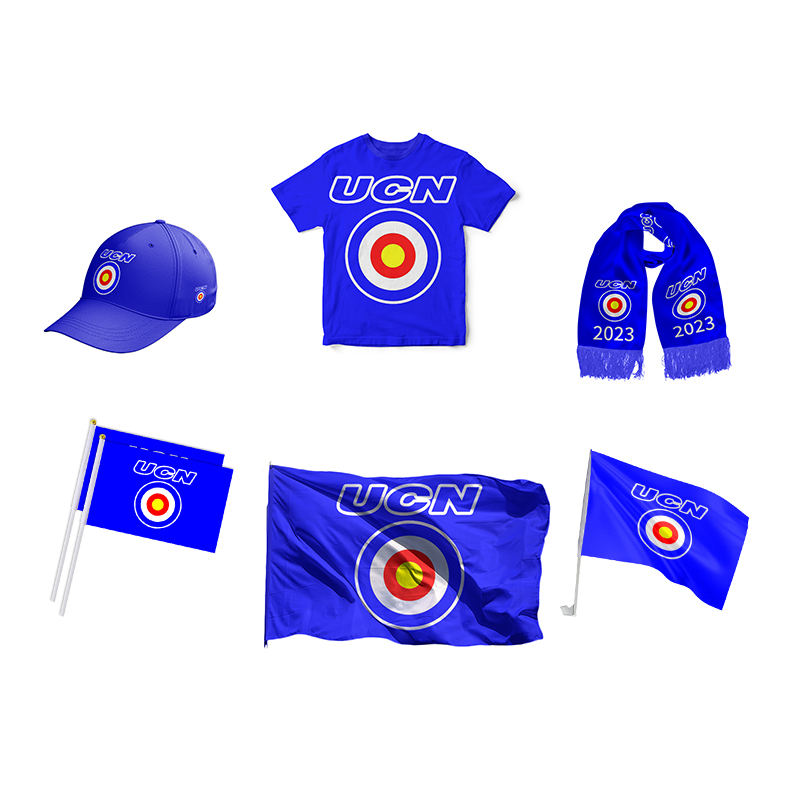
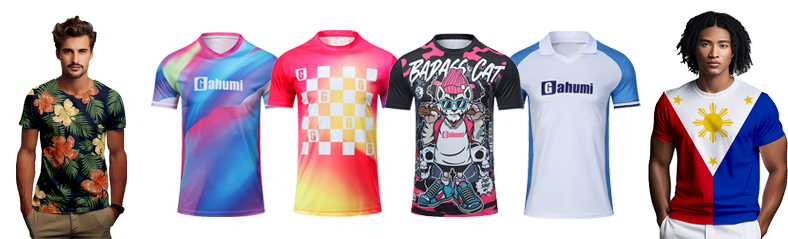
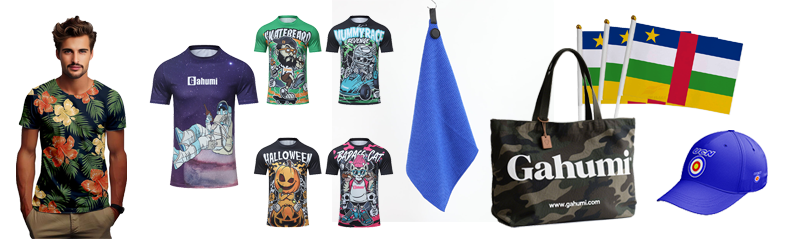
 Tshirt
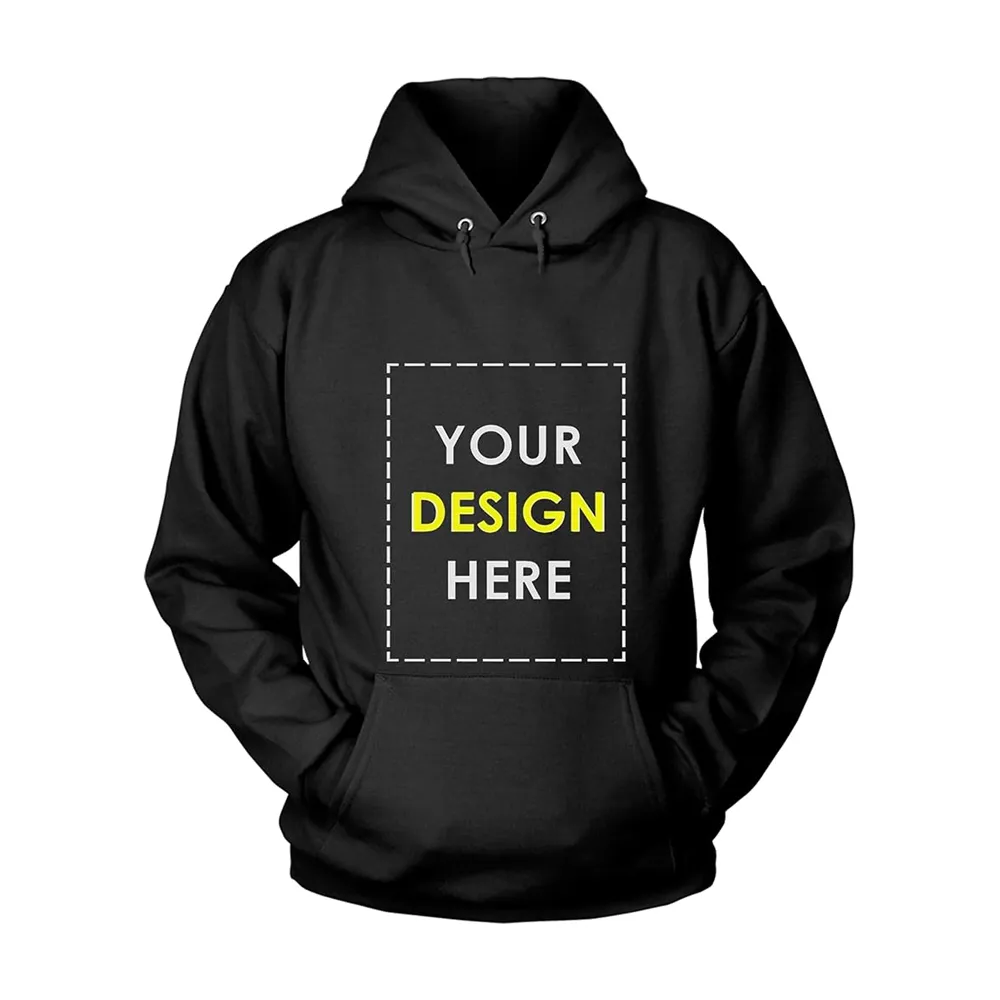 Custom Hoodie & Sweat
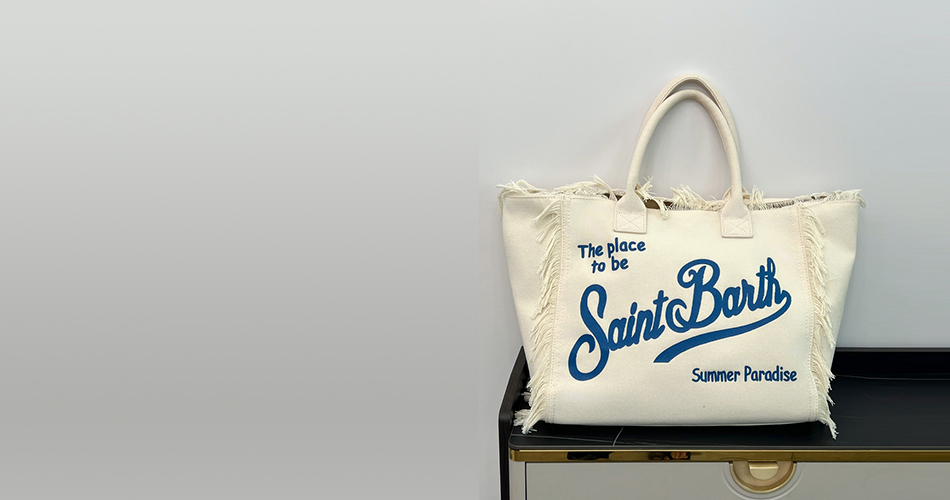
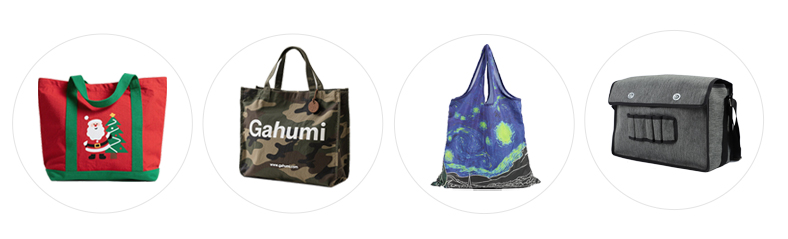
 Custom Bags
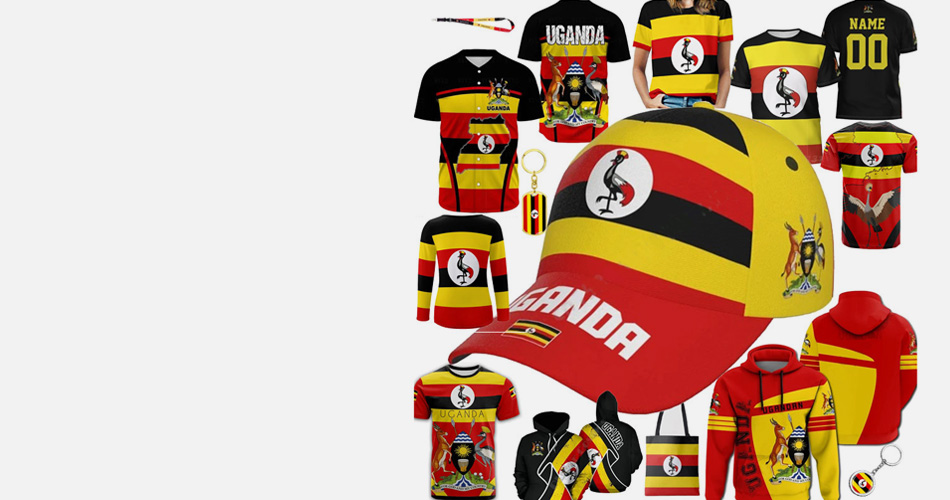
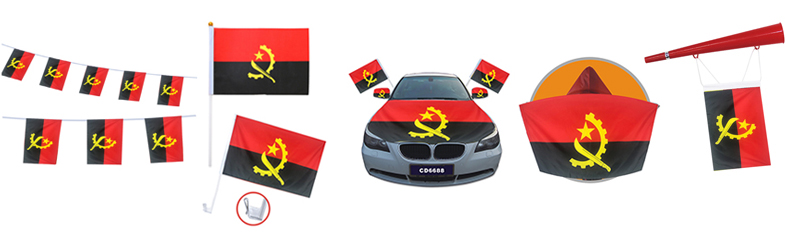
 Flag
Flag
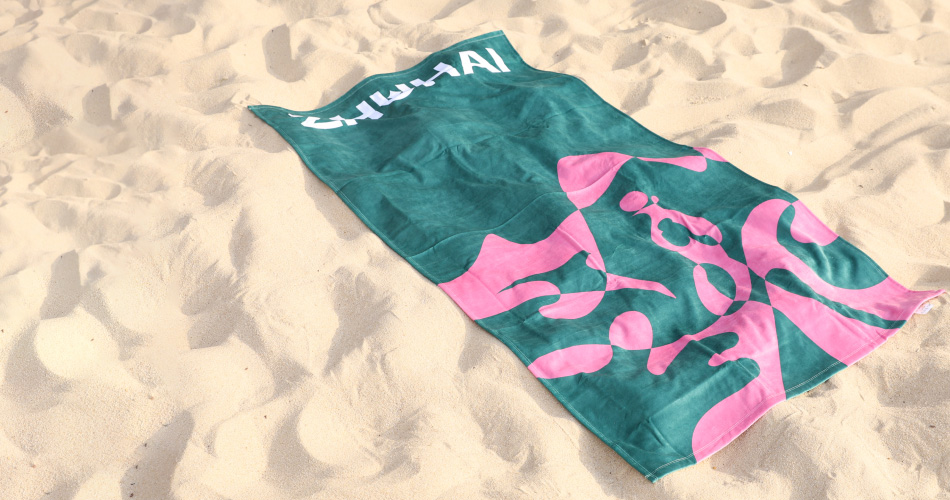
 Towel
Towel
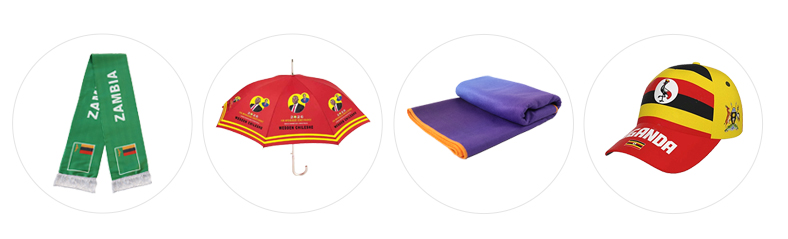
 Custom Scarf
 Cap
Cap

Frequently asked questions
We provide three different solutions according to the various order
requirements. Different services are provided for customers to selected.
requirements. Different services are provided for customers to selected.
Depends on product type. Gahumi fulfills urgent orders for simple items like custom drawstring bags by prioritizing production lines—contact us for real-time capacity checks.
Request a detailed breakdown. Gahumi lists fabric, printing, inspection, and shipping costs separately, with no hidden fees—all verifiable.
Yes. Our 3 bases coordinate production to unify fabrics, colors, and Craftsmanship,ensuring brand consistency across categories with 15-day minimum lead time.
Report issues within 48 hours—Gahumi replaces defective items for free and covers logistics, with clear compensation terms in contracts.
Yes. Gahumi’s small-batch lines follow the same standards as large runs. 500-unit custom canvas bags undergo 3 quality checks to match samples.
Gahumi provides region-specific compliance docs (REACH, CPSC, etc.) for export markets and conducts pre-production material testing to guarantee adherence.
Ask for factory address, equipment lists, and live production videos. Gahumi welcomes on-site visits or virtual tours to verify our 3 production bases.
31 years of production experience ensures quality control—each item undergoes fabric testing, process inspection, and packaging checks, with quality certificates provided.
Yes. Free high-res images, 3D models, are provided to enhance platform listings and redemption appeal.
"Surplus buyback" clauses can be included—we repurchase unopened standard items at 80% of cost to reduce inventory risks.
Support personalization like initials, member IDs, or referrer info via digital printing/embroidery with 0.1mm precision.
Yes. From materials (non-woven/canvas/linen) to processes (printing/embroidery/gilding), Gahumi matches merchandise quality to membership tiers.
Basic items (printed bags) take 7-10 days; complex items (embroidered) 15-20 days. We schedule production around campaign timelines for on-time delivery.
Gahumi supports 500-unit MOQs, suitable for small e-commerce campaigns. Long-term partners can negotiate lower MOQs for flexibility.
Yes. Gahumi's design team offers pattern suggestions and material matching based on brand tone, with 3 free design revisions to ensure desired results.
We offer "tiered customization" from basic logo printing to premium embroidery, matching craftsmanship to budget, maximizing brand expression within cost limits.
Modular base + seasonal elements take 7-10 days; fully custom seasonal designs take 10-15 days, fitting Christmas, New Year, and other promotional timelines.
Yes. Gahumi's eco-materials (organic cotton, recyclable non-woven fabric) are certified by EU REACH, US FDA, etc., complying with regional environmental regulations.
What is the production cycle for seasonal packaging? Can it meet holiday promotions?
We ensure batch-to-batch variation ≤2% through standardized production (from fabric to printing) and offer global unified delivery directly to stores, avoiding differences from intermediate links.
Gahumi supports flexible MOQs: 500 units for basic custom logo bags, 1,000 units for seasonal small parts (e.g., ribbons, stickers), meeting small retailers' needs.
Look for suppliers with rich experience, professional production equipment, strict quality control systems, and relevant certifications (such as GOTS). It is also advisable to check their past cases and request samples before placing large orders.
Custom cotton fabric helps brands differentiate their products, enhance brand identity through unique designs, meet specific functional requirements, and demonstrate environmental responsibility by choosing sustainable materials.
Production time depends on the complexity of customization and order quantity. Simple logo printing on tote bags can be completed in 1-3 business days, while large-batch woven fabric customization may take several weeks.
Yes, organic cotton can be customized in terms of weave, color, and pattern. GOTS-certified organic cotton fabrics ensure environmental and social responsibility throughout the production process, suitable for eco-friendly brands and products.
Common methods include screen printing (suitable for large batches and bold designs), digital printing (ideal for complex patterns and small batches), and heat transfer printing (good for logo customization on bags and apparel).
OEM manufacturers offer comprehensive services including fabric composition adjustment (such as cotton-polyester blends), weave customization, dyeing, printing, and finishing treatments. They can also provide design assistance and quality control throughout the production process.
The minimum order quantity varies depending on the fabric type and customization method. Digital printed fabrics can have a minimum order of 1 meter, while conventional woven fabrics may require 2000-3000 meters per color or design.
Custom cotton fabric refers to cotton textiles produced according to personalized requirements, including material selection, weave structure, color, pattern, and finishing treatments, to meet specific design or functional needs.
Look for EN 13432 (Europe) or ASTM D6400 (US) certification—these confirm the bag decomposes in industrial compost within 180 days. Avoid uncertified “biodegradable” claims, as they may mislead consumers.
Embroidery works best on thicker fabrics (canvas, 110gsm+ non-woven). It adds texture but may be less durable on lightweight non-woven (60–70gsm) due to fabric thinness. For non-woven, screen printing is more practical.
Request Pantone Matching System (PMS) samples from the manufacturer. Provide your brand’s PMS code (e.g., PMS 2945 for navy) to ensure exact color alignment.
Reinforced handles (X-stitched), rigid bottom inserts (prevents sagging), and internal pockets (for phones/keys) encourage repeated use. Zippers or Velcro closures add security for travel.
PLA blends are durable for daily use (supports 8–10kg) but decompose faster in compost. For heavy loads (15kg+), choose recycled PP or canvas—they balance sustainability and strength.
Most manufacturers offer custom sizing, from mini 9x12” (favors) to large 15x16” (bulk shopping). Provide dimensions and use case (e.g., “fits 6 wine bottles”) for tailored recommendations.
Digital printing—no setup fees, quick turnaround, and ability to handle complex designs. Avoid screen printing (high setup costs for small runs) unless using simple, single-color graphics.
Consider use case: Opt for 80–100gsm non-woven PP for daily shopping, 12oz canvas for premium branding, or PLA blends for biodegradable needs. For eco-focused audiences, recycled or organic materials build trust.
They are not interchangeable. Industrial scenarios require the high load-bearing and corrosion-resistant properties of PP woven bags—canvas bags cannot withstand the wear and corrosion from chemical fertilizers or construction materials. Daily shopping or branding scenarios require the aesthetic appeal and breathability of canvas bags—PP woven bags’ industrial-style design and poor breathability fail to meet users’ "refinement" needs.
Choose "waterproof-coated canvas shopping bags" (with a transparent PU coating on the surface), which retain the texture of canvas while achieving water-repellent effects (light rain won’t seep through). For ordinary canvas bags, pair them with waterproof storage bags on rainy days to prevent direct contact with rainwater.
If the budget is extremely tight (less than $0.6 per bag), choose "recyclable PP woven bags" and remind users to sort them for recycling after use. If the budget can be expanded to $0.9–$1.5 per bag, opt for "basic canvas shopping bags." Their natural biodegradability aligns with mainstream eco-friendly needs, and their high reuse rate makes them more cost-effective in the long run.
Choose PP woven bags. PP material is fully waterproof, isolating moisture from wet clothes and preventing contamination of other gear. Canvas shopping bags are not waterproof—wet clothes will seep through, dampening other items, and canvas becomes heavier when absorbing water, making it inconvenient to carry.
Both are recyclable, but the methods differ: PP woven bags should be placed in "plastic recycling bins" and reprocessed into plastic products after crushing and melting. Canvas shopping bags should be placed in "textile recycling bins"; damaged canvas can be processed into rags or fillers, while intact canvas can be refurbished for reuse.
Canvas shopping bags are the clear choice. They support sophisticated customization (e.g., embroidered brand logos, printed brand slogans), and customers will reuse them long-term (for commuting, shopping), serving as free "mobile advertisements." PP woven bags have a plain appearance and are often discarded by customers as temporary trash bags, failing to convey brand value.
Prioritize canvas shopping bags. Canvas is breathable, so fruits, bread, and other food items won’t get stuffy. They also have a high aesthetic appeal and can be folded into a compact size to fit in a purse. PP woven bags, while waterproof, have a rigid texture, take up more space when folded, and are not suitable for fragile or pressure-sensitive items.
PP woven bags are more suitable. They have stronger load-bearing capacity and are waterproof and moisture-resistant, preventing rice from getting damp and clumping. Although canvas shopping bags are wear-resistant, they soften when wet, easily deform under load, and cotton fibers may absorb moisture from the rice.
Most suppliers offer small batches (50+ units), but bulk ordering (500+ units) lowers per-unit costs by 20–30%. Small businesses can start with 100–200 units to test design and distribution, then scale up as needed.
Retail, food & beverage, events, nonprofits, and B2B services all thrive with canvas bags. For example:
Cafés: Totes for takeaway orders.
Farmers’ Markets: Totes for produce shoppers.
Conferences: Totes for attendees to carry materials.
Track metrics like:
Social Mentions: Encourage customers to tag your brand with the bag (e.g., #MyBrandTote) and count posts/reaches.
Repeat Purchases: Offer a discount code printed on the bag (e.g., “TOTE10”) to track how many customers return.
Impression Estimates: Multiply the number of bags distributed by the average uses per bag (100–150) to calculate total impressions.
Absolutely. Organic cotton, recycled cotton, or GOTS-certified canvas appeals to eco-conscious consumers. Highlighting these materials (e.g., a “Made from 100% Recycled Cotton” label on the bag) encourages social sharing and attracts audiences searching for sustainable brands.
Canvas bags outperform t-shirts and keychains because they’re used more frequently: 78% of consumers use custom canvas bags weekly, vs. 45% for t-shirts and 20% for keychains (Promotional Products Association 2024). They also reach more people—t-shirts are worn privately, while bags are used in public spaces.
Yes. Small batches (100–200 units) cost $4–$6 per bag, and strategic distribution (e.g., giving to loyal customers or at local events) ensures maximum exposure. Many suppliers offer discounts for first-time orders, making them accessible for startups.
Bold Logos: Place your logo front-and-center (6–8 inches from the top) in high-contrast colors (e.g., white logo on navy canvas).
Simple Taglines: Short, memorable phrases (1–5 words) that align with your brand (e.g., “Live Local” for a community shop).
Brand Colors: Stick to 2–3 signature hues to reinforce recognition—avoid clashing or overly trendy colors that fade from memory.
High-quality canvas bags (12oz+ cotton) last 18–24 months with regular use, generating impressions every time they’re carried. Proper care (machine-washing cold, air-drying) extends their lifespan to 3+ years, further boosting long-term visibility.
Yes—for consumers, they avoid frequent replacements; for brands, they boost trust and generate long-term impressions. The ROI of a $4 canvas tote (used 100x) is far higher than a $1 polyester tote (used 10x).
Canvas and jute totes last 2–3 years with regular use; organic cotton lasts 18–24 months. Proper care (machine-washing cold, air-drying) extends their lifespan even further.
Absolutely—tight-weave fabrics (like canvas or organic cotton) hold screen prints and embroidery better, with sharper details and less fading. Cheap, loose-weave fabrics often blur prints or cause ink bleeding.
Reputable suppliers like ToteBagFactory, CustomCat, and Printful offer canvas, organic cotton, and jute totes with custom printing. Always request samples and check customer reviews for material feedback.
Yes—14oz+ canvas or thick recycled polyester totes can safely hold 13–15” laptops. Look for reinforced handles and a flat bottom to prevent the laptop from shifting.
Check fabric weight (canvas 12oz+, cotton 8oz+), weave density (tight, minimal light penetration), and request samples to test feel and durability. Certifications like GOTS also confirm quality for eco-friendly options.
Yes—organic cotton, recycled polyester, and jute are all durable and functional. Organic cotton is soft yet sturdy, while recycled polyester is water-resistant and long-lasting—no trade-off between sustainability and quality.
16–20oz canvas is the most durable—it resists tearing, holds heavy loads (10–15lbs), and retains its shape for 2–3 years. Jute is a close second for outdoor or wet-use scenarios.
Track metrics like repeat purchases (offer a discount code printed on the bag), social media mentions (encourage customers to tag your brand with the bag), and foot traffic (ask new customers if they saw the bag elsewhere). A bakery used a “TOTE10” discount code and found 30% of redemptions came from new customers.
Yes. Choose recycled cotton, organic canvas, or water-based inks for printing—all eco-friendly options that align with green branding. Many suppliers offer GOTS-certified organic canvas for brands wanting to highlight their sustainability credentials.
Absolutely. Small batches (100–200 units) are affordable, and strategic distribution (e.g., giving to loyal customers) ensures you get the most bang for your buck. A local café with a $500 budget bought 150 basic canvas bags and saw a 12% sales boost in a month.
Durable canvas bags (16oz+ with reinforced stitching) are used for 6–24 months on average. A Promotional Products Association survey found 45% of consumers use their canvas promo bags weekly for 1+ years.
Place your logo front-and-center (6–8 inches from the top), use high-contrast colors (e.g., white logo on black canvas), and keep text minimal. Avoid busy designs—simplicity ensures your brand is the focus.
Prices start at $2–$3 per bag for bulk orders (500+ units) of basic canvas, and $4–$6 for premium styles (recycled cotton, heavy-duty 18oz). The upfront cost is higher than plastic, but the long-term impressions make it cheaper per use.
Yes. Their durability means they generate impressions for months (vs. days for plastic or paper items). A 2024 study found canvas bags have a 4x higher ROI than disposable promo products, with a CPI 80% lower than digital ads.
Yes—their durable materials and versatile designs (neutral tones, minimal branding) work for shopping, commuting, or picnics—extending your brand’s visibility beyond the shore.
Absolutely—Gahumi’s design team provides free mockups, helping you refine colors, prints, and features to match your brand’s vibe.
Standard production is 7–10 business days. Rush orders (3–5 days) are available for an extra fee—great for last-minute summer campaigns.
Yes—Gahumi uses recycled PET, organic canvas, and jute (all sustainable materials) and eco-friendly inks. Most options are recyclable or biodegradable.
Gahumi’s OEM services start at 200 units, with discounts for larger orders (1,000+ units) ideal for brands or retailers.
Yes—Gahumi offers insulated liners (for cold drinks or snacks) as a custom add-on, perfect for brands targeting families or picnic-focused consumers.
Gahumi’s custom bags are tailored to your brand (material, size, design) and tested for beach durability (sand resistance, water repellency). Generic bags often use cheap fabrics that fray or fade quickly.
MOQ for wholesale custom is 1000 Units, ensuring cost-effectiveness.
Choose colors, patterns, and personalization details to create your unique custom textile products, like election t-shirt, promotional t-shirt, canvas bag, scarfs, caps etc.
We offer screen printing, embroidery, and heat transfer for logo placement.
Our personalized textile products are made from high-quality materials, ensuring durability and long-lasting use.
View More
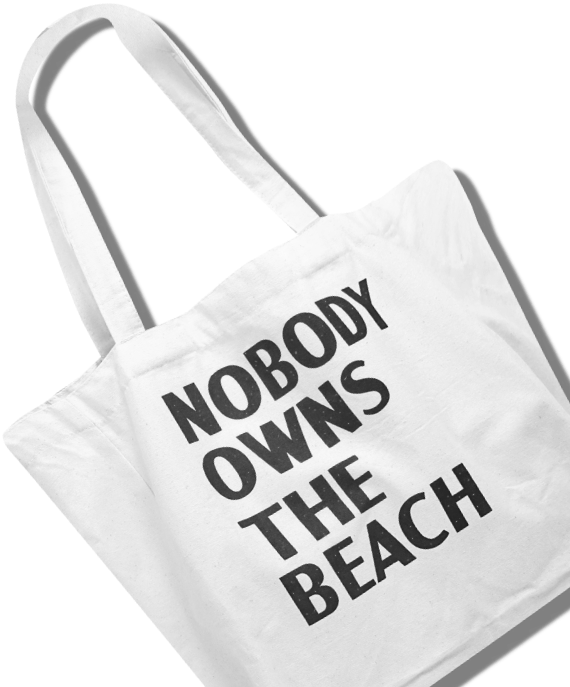
To Get Customize Sample Catalog
Choose our one-stop Canvas Bag solutions to drive growth and profitability for your business.

One-to-one consultation service
Quick response within 1 hour
Artificial flower experts with 12-year experience
OEM or ODM Custom services
Contact us
Learn more about Gahumi and what's
important to us
important to us