
 Tshirt
 Custom Hoodie & Sweat
 Custom Bags
 Flag
Flag
 Towel
Towel
 Custom Scarf
 Cap
Cap

.webp)
.webp)
.webp)
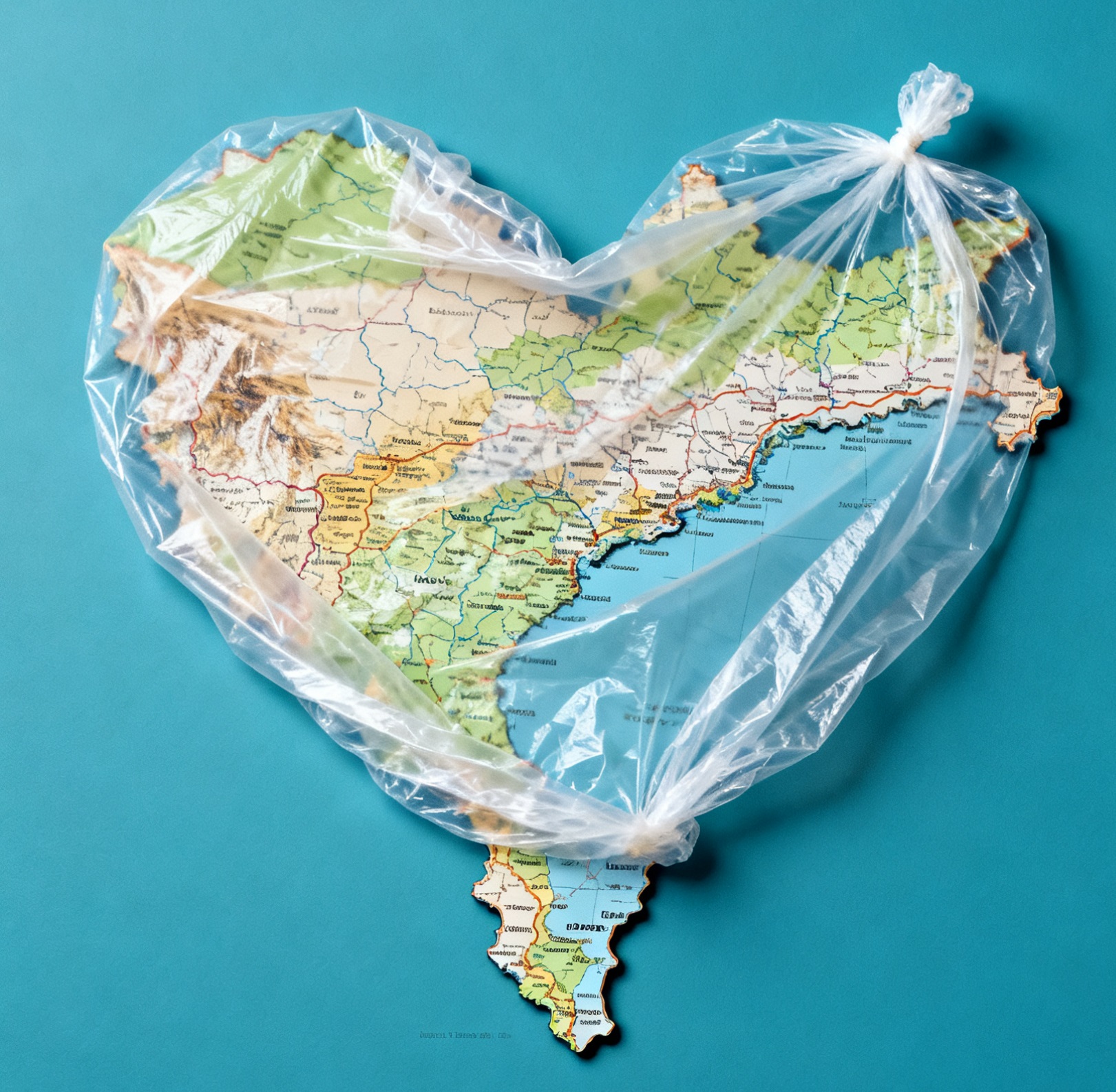
Today, more than 127 countries and regions around the world have implemented plastic bag restrictions or bans—and this is no coincidence. Since their invention, plastic bags have brought temporary convenience to daily life, but they have also planted long-term risks for the planet and human health. From non-degradable environmental burdens to life-threatening health hazards, and exorbitant economic costs, banning plastic bags has become an inevitable choice to protect the ecology and our future. The following 20 reasons clearly explain why plastic bags must exit the stage of history.
Environmental Damage: The "Permanent Harm" of Plastic Bags
Non-biodegradable, persisting for millennia: The main component of plastic bags, polyethylene, cannot be decomposed by natural microorganisms. It takes 200 to 1,000 years to gradually break down into microplastics, and it will never disappear completely, continuously polluting soil and water sources.
"Visual pollution" in streets and waterways: Approximately 8 million tons of plastic enter the ocean every year globally, with plastic bags accounting for more than 30%. Blown by the wind, they scatter across streets and parks, and even clog sewers, causing urban waterlogging and destroying natural landscapes.
"Invisible driver" of global warming: Plastic bag production relies on crude oil and natural gas—producing 1 ton of plastic bags consumes 11 barrels of crude oil and emits about 6 tons of carbon dioxide, directly intensifying the greenhouse effect.
One of the "culprits" of soil degradation: When discarded plastic bags are buried in soil, they block water infiltration and nutrient circulation, leading to soil compaction and reduced crop yields. Experiments show that if 5 kilograms of plastic bags are present in one mu of soil (about 0.067 hectares), wheat yields will decrease by 20%.
"Lethal killer" of marine ecosystems: Every year, more than 100,000 marine organisms (such as sea turtles, dolphins, and seabirds) die from ingesting plastic bags or being entangled by them. Sea turtles often mistake plastic bags for jellyfish; after ingestion, they cannot digest the plastic, eventually dying from intestinal blockage.
II. Health Risks: Invisible "Chronic Poisons"
Release of toxic chemicals: Under high-temperature conditions (such as holding hot food or being exposed to sunlight), plastic bags release harmful substances like phthalates and bisphenol A. These substances can enter the human body through food or air, disrupting the endocrine system and increasing the risk of precocious puberty in children and infertility in adults.
Microplastic pollution "permeates everywhere": Microplastics formed by broken plastic bags have entered drinking water, table salt, and even human blood. A 2022 study in the journal Environment International found that microplastics were detected in the blood of 90% of the global population. Long-term accumulation may cause inflammation and organ damage.
"Invisible hazard" to food safety: Using non-food-grade plastic bags to package food, especially oily food, accelerates the migration of toxic substances. China's General Administration of Market Supervision once conducted random inspections and found that 30% of low-cost plastic bags exceeded heavy metal limits, and long-term use may lead to chronic poisoning.
III. Economic Burdens: The High Cost of "Cheap Convenience"
Difficult to recycle, with exorbitant costs: Plastic bags are lightweight and prone to contamination, making their recycling and sorting costs more than 5 times their production costs. Only 9% of plastic bags worldwide are effectively recycled; the rest either end up in landfills or scatter in the environment.
Cleanup costs burden public finances: Countries invest huge sums of money in plastic pollution cleanup every year. The United States spends 11 billion US dollars annually on plastic waste cleanup, while India's annual expenditure on cleaning up urban plastic waste alone exceeds 1 billion US dollars—far exceeding the short-term economic benefits brought by plastic bag production.
External costs passed on to society: Plastic bag production not only consumes resources but also causes problems such as oil extraction pollution and cancer risks from plastic waste incineration. These "hidden costs" are ultimately borne by public health and the environment, forming a vicious cycle.
IV. Society and the Future: Banning Is an Inevitable Trend
Reduce pressure on landfills: Plastic bags account for 25% of the global landfill volume. Banning them can significantly extend the service life of landfills. For example, if Beijing fully bans plastic bags, it can reduce landfill volume by approximately 180,000 tons annually.
Raise public environmental awareness: Bans force the public to change consumption habits and proactively choose eco-friendly alternatives. After Kenya implemented a strict plastic bag ban in 2017, public awareness of plastic pollution increased from 32% to 78%.
Drive technological innovation and industrial upgrading: Banning plastic bags encourages enterprises to develop more eco-friendly alternatives, such as degradable paper bags, canvas bags, and corn starch bags, promoting the development of the green packaging industry. The scale of China's degradable plastic market has grown from 5 billion yuan in 2019 to 20 billion yuan in 2025.
Save public financial expenditure: Reducing plastic cleanup and environmental restoration costs allows funds to be invested in people's livelihood areas such as education and healthcare. The European Union estimates that full plastic bag bans can save about 4 billion euros in environmental governance costs annually.
Comply with global consensus and public expectations: 76% of global consumers support plastic bag bans, and there are already many mature alternatives (such as canvas bags and cotton bags) to meet daily needs—bans will not affect life convenience.
Support green enterprises and local employment: The production of eco-friendly bags mostly relies on local labor; for example, cotton bag manufacturing can drive employment in the textile and handicraft industries. After India banned plastic bags, Delhi alone added 12,000 jobs in eco-friendly bag production.
Respond to calls from international organizations: Institutions such as the United Nations Environment Programme (UNEP) and the World Wildlife Fund (WWF) have repeatedly called for global plastic bag bans, listing them as "key measures to address climate change and biodiversity loss."
Force an upgrade in overall pollution governance: Banning plastic bags can serve as a "breakthrough" in environmental governance, prompting the public to pay attention to other environmental issues such as air and water pollution, and fostering a social atmosphere of comprehensive environmental protection.
Guard the living space for future generations: Without timely plastic bag bans, plastic in the ocean will outnumber fish by 2050. Banning plastic bags preserves clean soil, water sources, and oceans for the future—it is a responsibility to future generations.
FAQ (Frequently Asked Questions)
What alternatives can I use for daily shopping after plastic bags are banned?
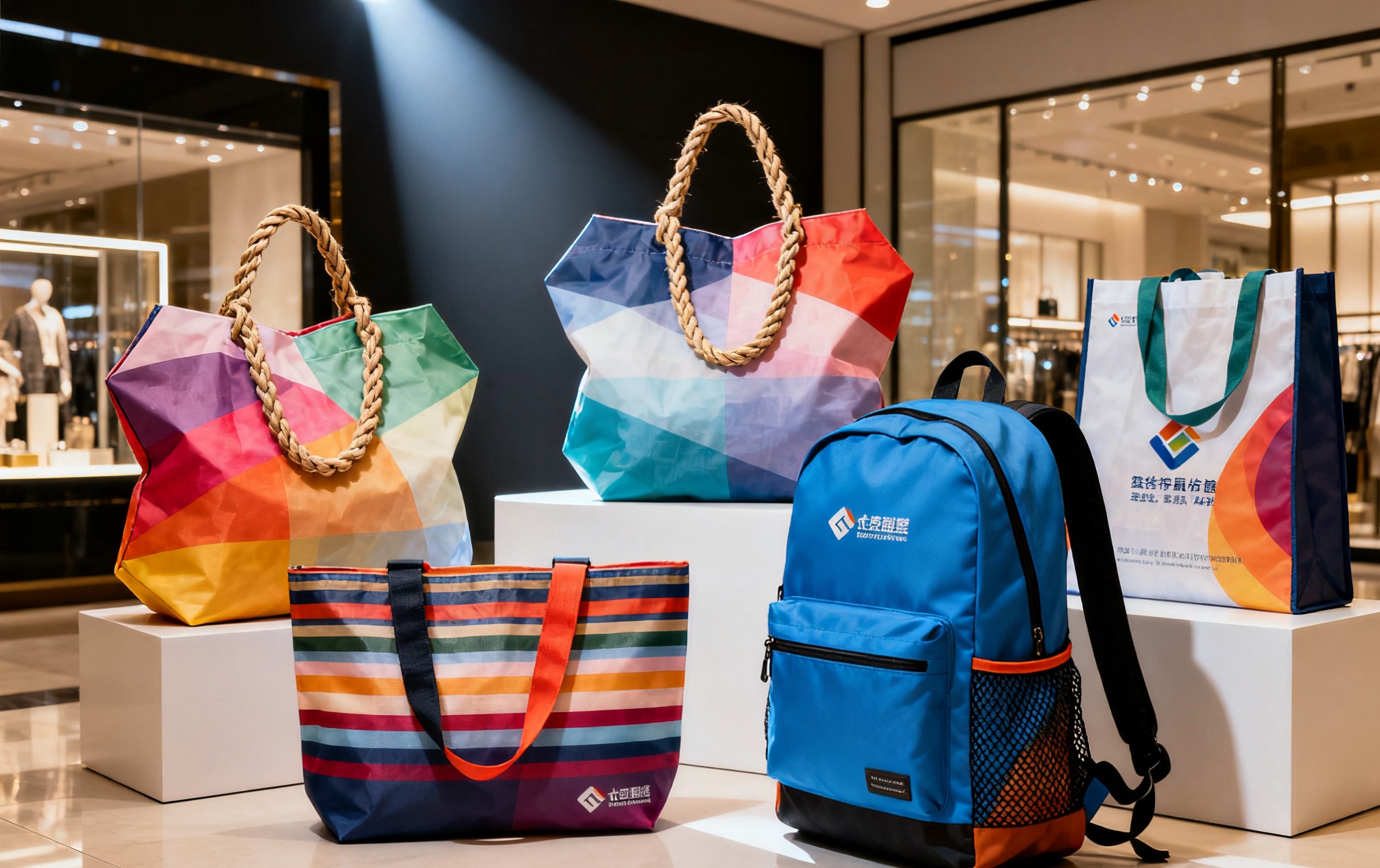
You can choose reusable cotton bags, canvas bags, nylon foldable bags, or degradable corn starch bags and pulp-molded bags. These alternatives have a long service life (a cotton bag can be used more than 500 times) and are environmentally friendly.
Can degradable plastic bags replace regular plastic bags?
Degradable plastic bags can only decompose in industrial composting environments with specific temperature and humidity conditions. If randomly discarded, they still pollute the environment and are more costly. Reusable cloth bags are a better choice by comparison.
Will banning plastic bags affect the operation of small businesses (such as small supermarkets and wet markets)?
There may be a slight increase in costs in the short term, but the government can help businesses transition by subsidizing eco-friendly bags and providing technical support. In the long run, reducing plastic waste cleanup costs and enhancing the brand's eco-friendly image will attract more consumers instead.
How can individuals reduce plastic bag use?
Carry foldable eco-friendly bags with you when going out, use reusable mesh bags or silicone bags for buying fresh produce, and refuse unnecessary plastic packaging (such as excessive product packaging).
Are plastic bags the main source of plastic waste? Are there other plastic pollutants to pay attention to?
Plastic bags are an important source of plastic waste (accounting for about 15%), but plastic bottles, plastic tableware, and foam plastic also need attention. Banning plastic bags is the first step; subsequent efforts should focus on reducing and recycling all types of plastic.
Some countries have seen "backsliding" after banning plastic bags—how to ensure effective implementation of the ban?
It is necessary to combine strict supervision (such as fines and random inspections), public education (such as school courses and community promotions), and policy support (such as eco-friendly bag subsidies) to form a joint force of "government supervision + enterprise cooperation + public participation."
Does the production of eco-friendly bags also consume resources? How to choose more low-carbon eco-friendly bags?
Compared with plastic bags, eco-friendly bags do consume resources such as cotton and fabric, but their long service life (one cotton bag can replace 500 plastic bags) results in a lower overall carbon footprint. Choosing locally produced eco-friendly bags without excessive printing can further reduce carbon emissions.



.png)