Our planet is home to over 7.5 billion people and counting, with more than 325 million residing in the United States. As billions share limited resources, it’s everyone’s responsibility to conserve and protect the environment.
Facing issues like vanishing rainforests, melting polar ice caps, and ozone layer depletion, it’s easy to feel powerless. But when individual eco-friendly actions add up, they create tangible change. Starting a green lifestyle doesn’t require grand gestures—just a few key tips to follow.
Whether you’re already living sustainably or taking the first step, these 20 eco-friendly tips cover every aspect of daily life. They’re organized into four core categories: Food, Water, Energy, and Recycle, Reduce, Reuse.
Make a meal plan and shopping list before going to the grocery store. Buy only what you need to avoid impulsive purchases or last-minute runs. This saves time and money, cuts down on food waste from expiration, and helps balance nutrition for your family.
Prioritize locally sourced ingredients, especially fresh produce from farmers’ markets. Local products don’t require long-distance transportation, reducing fossil fuel consumption and carbon emissions.
The meat industry harms the environment through deforestation, water depletion, pollution, and greenhouse gas emissions. Add eco-friendly protein sources like beans, nuts, and soy products to your diet while cutting back on red meat—small shifts make a big difference.
Most household water use occurs in the bathroom. Shorten showers, turn off the faucet while brushing teeth or lathering up, and fix leaks promptly. In the kitchen, wash dishes in a basin instead of running water, and run the dishwasher only when full. Follow the same “full load” rule for laundry. Water your yard early in the morning or evening to avoid rapid evaporation, and use drip hoses instead of sprinklers for targeted irrigation.
Household cleaners, paint, medications, and similar substances shouldn’t be poured down drains. These chemicals pollute water and are hard for treatment plants to remove—handle them responsibly to keep water clean.
Water-saving low-flow toilets and high-efficiency washing machines can save hundreds of gallons of water yearly. Older toilets use up to 7 gallons per flush, while new models use just 1.28 gallons. If shortening showers is tough, install low-flow showerheads to cut water use.
Even a slow drip can waste hundreds of gallons annually. Regularly check toilets, faucets, and sinks for leaks and repair them right away.
Switch off lights, TVs, and other electronics when not in use. Unplug appliances you don’t use often to avoid standby power consumption.
When replacing appliances, choose energy-saving models. Old light bulbs use far more energy than compact fluorescent bulbs, which also last longer—they save money in the long run despite higher upfront costs.
Don’t set air conditioners too cold in summer or heaters too warm in winter. Open windows at night to cool your home, and install thick curtains for large windows to maintain indoor temperatures year-round.
The average American drives over 10,000 miles yearly, mostly for commuting—this causes severe pollution. Opt for public transportation to reduce traffic, lower emissions, and avoid rush-hour stress.
Take advantage of curbside recycling if available. Learn which items are recyclable, sort them, and watch your trash pile shrink. If curbside service isn’t an option, find local recycling centers and drop off materials regularly.
Disposable plates and plastic cutlery are convenient but wasteful—choose reusable alternatives instead. Before buying single-use items, ask if there’s a durable option that can be used repeatedly.
The U.S. uses 13 billion pounds of paper towels yearly, and they can’t be recycled (most are made from recycled pulp). Use eco-friendly cloth rags to clean up spills. Disposable diapers add 3.5 million tons of waste to landfills annually—cloth diapers are a greener choice, as babies use about 8 diapers per day.
Bottled water is unnecessary unless your tap water is unsafe due to pollution. It’s a waste of money and uses millions of tons of plastic (much of which isn’t recycled). Use a filtered pitcher if you’re concerned about tap water quality, or refrigerate tap water for better taste—over half of bottled water comes from tap sources anyway.
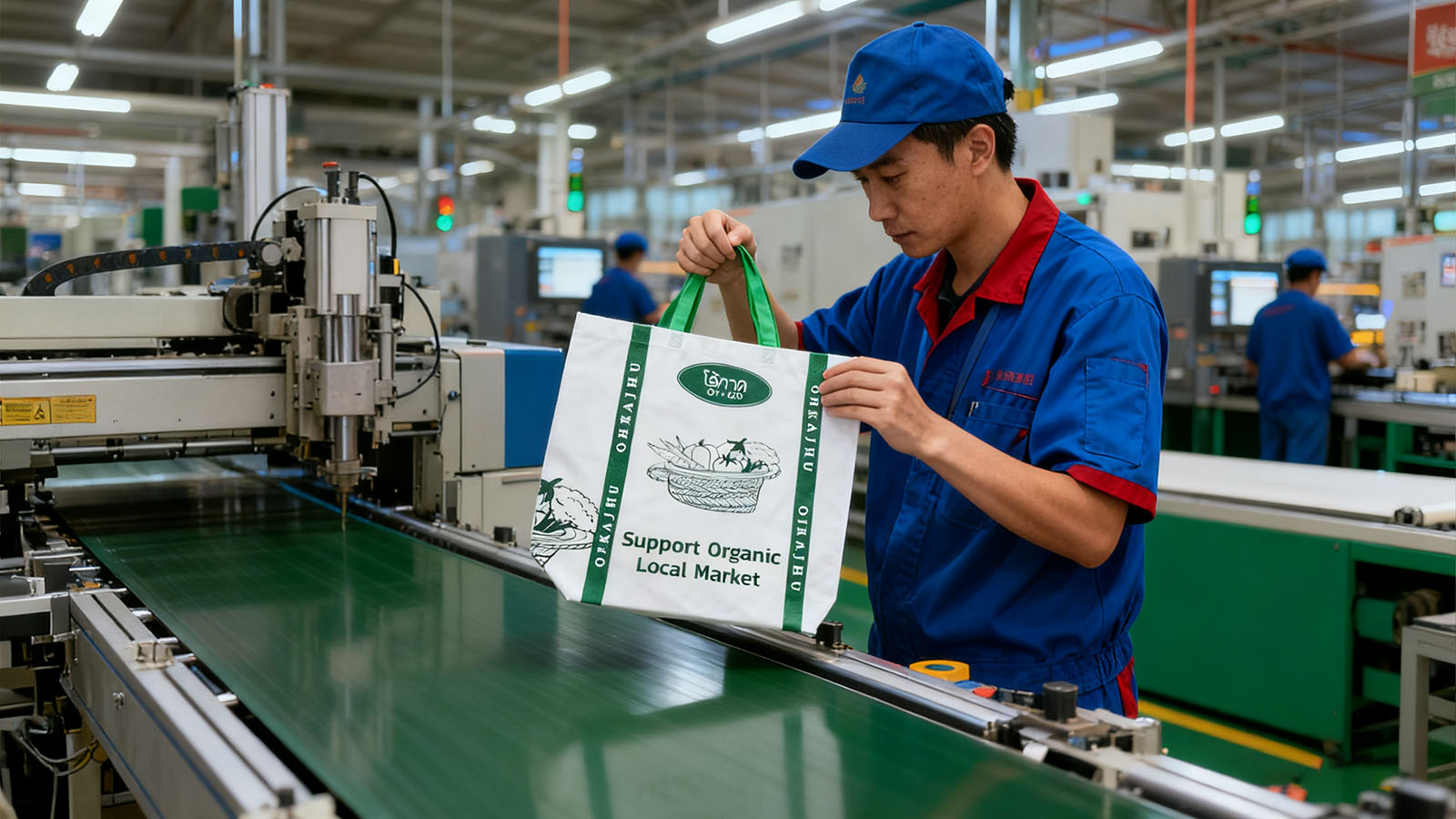
Plastic grocery bags are environmental hazards—they can’t be recycled like plastic bottles, harm wildlife, and take centuries to decompose. Bring reusable bags when shopping. If you forget and use plastic bags, drop them off at designated recycling points (use a location finder)—curbside bins usually don’t accept them.
FAQ
Q1: What small daily actions can I take to live more eco-friendly?
A1: Carry reusable shopping bags, shorten showers, turn off unused electronics, and recycle—these cost nothing and make an immediate impact.
Q2: How does eating less meat help the environment?
A2: The meat industry causes deforestation, water waste, and greenhouse gas emissions. Adding plant-based proteins and cutting red meat reduces your environmental footprint.
Q3: What if my city doesn’t have curbside recycling?
A3: Use online tools to find local recycling centers or drop-off points, and schedule regular trips to dispose of recyclable materials.
Q4: Are energy-saving bulbs more eco-friendly than regular ones?
A4: Yes—they use less energy and last longer, saving resources and money over time despite higher initial costs.
Q5: How harmful are disposable diapers to the environment?
A5: 20 billion disposable diapers are thrown away yearly in the U.S., adding 3.5 million tons of landfill waste. Cloth diapers significantly reduce this burden.
Q6: How should I dispose of household chemicals safely?
A6: Don’t pour them down drains. Contact local environmental agencies or waste management services to find designated collection points for proper disposal.

 Tshirt
 Custom Hoodie & Sweat
 Custom Bags
 Flag
Flag
 Towel
Towel
 Custom Scarf
 Cap
Cap


.webp)
.webp)
.webp)



.png)