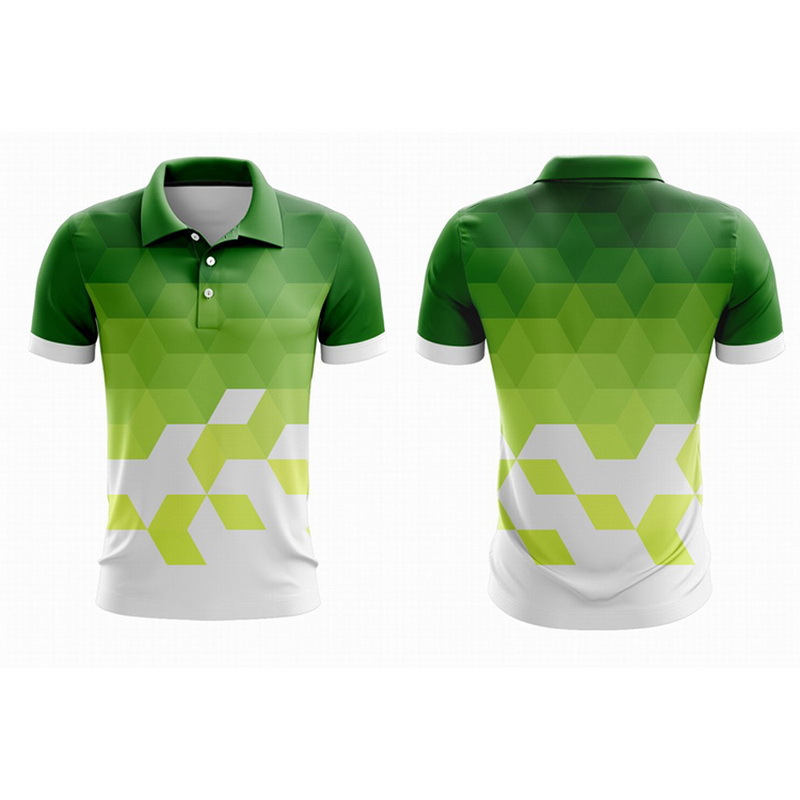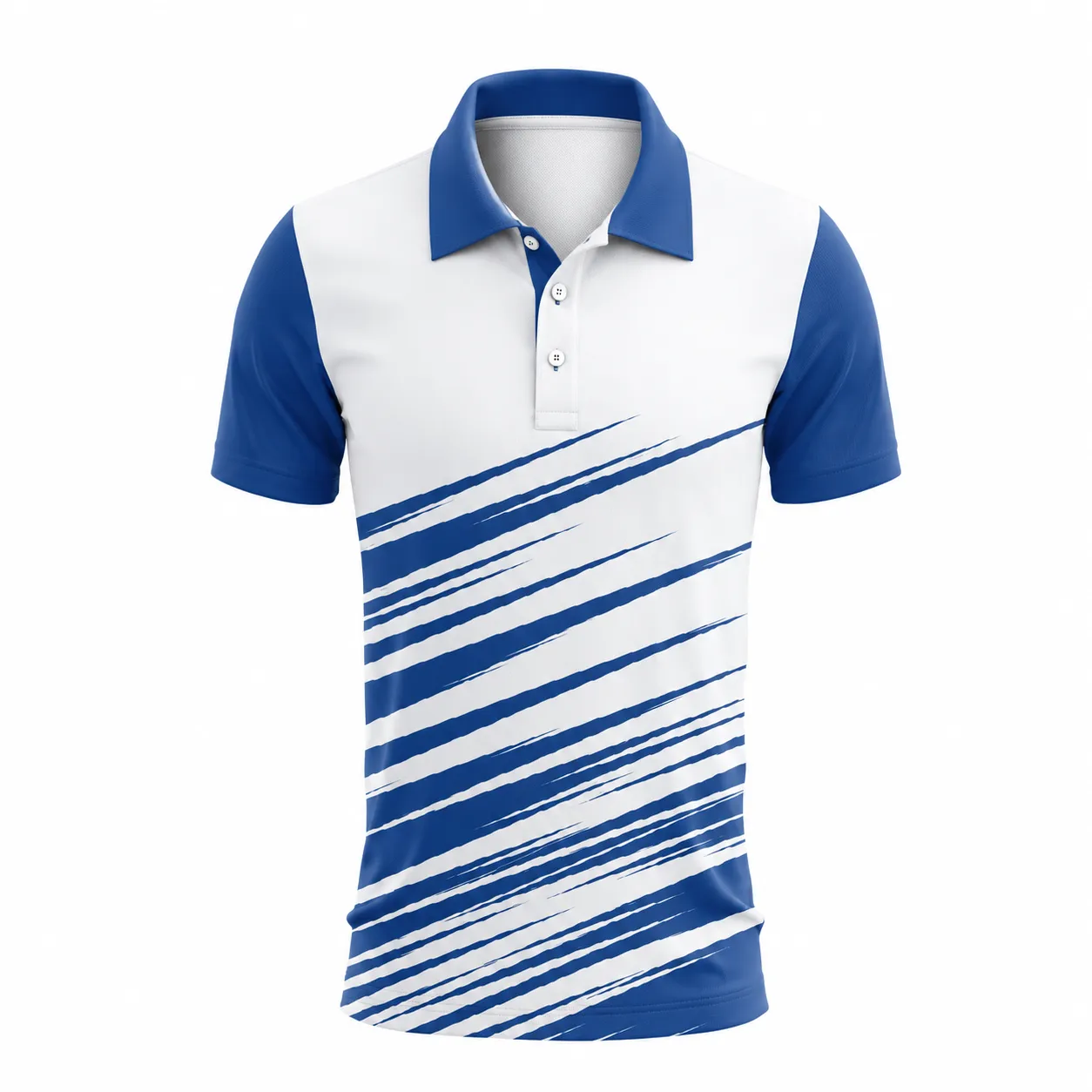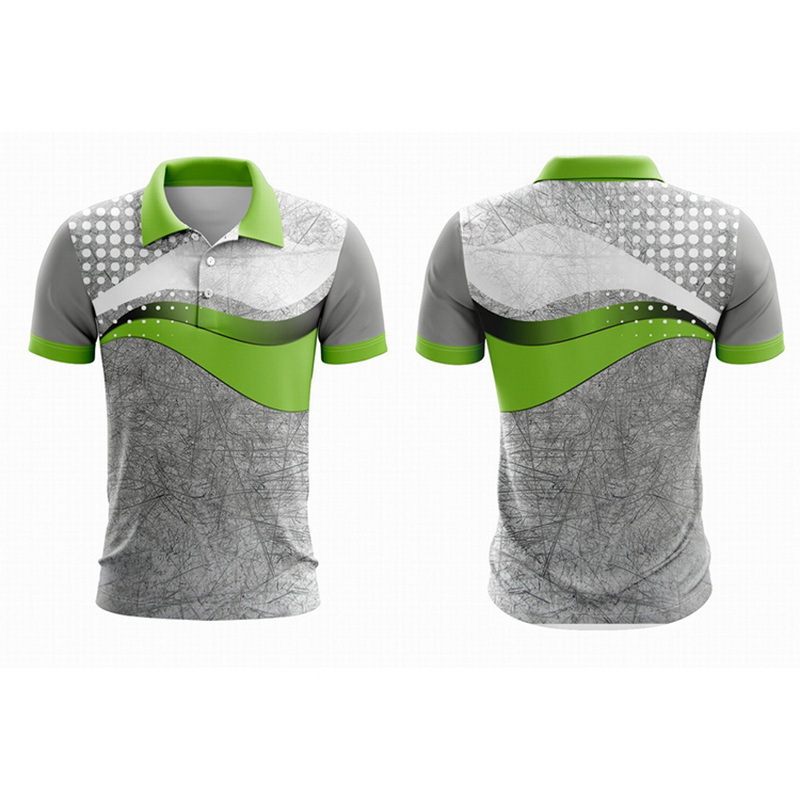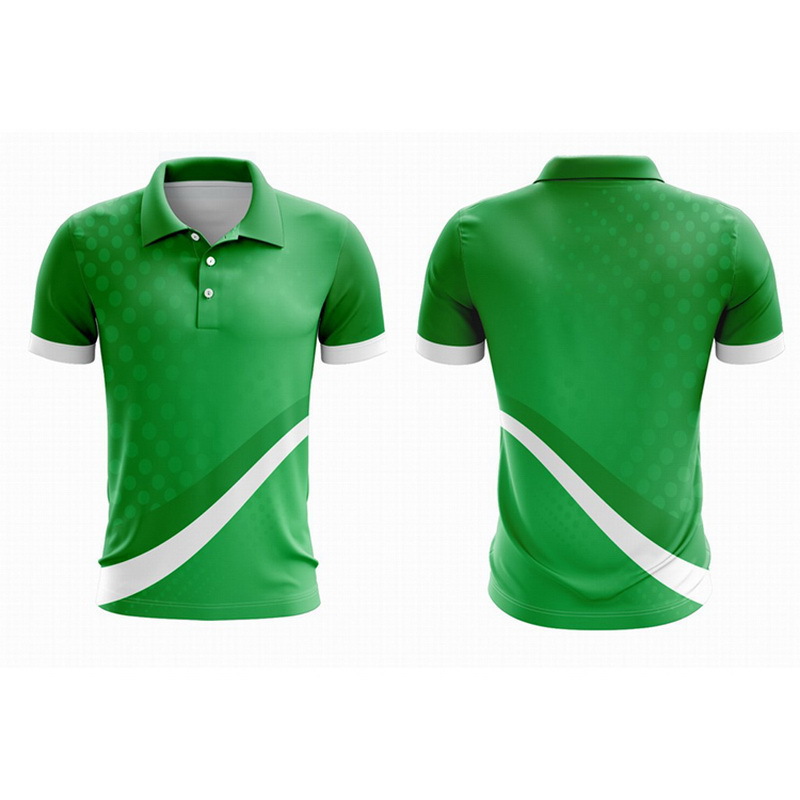
 Tshirt
 Custom Hoodie & Sweat
 Custom Bags
 Flag
Flag
 Towel
Towel
 Custom Scarf
 Cap
Cap

A Complete Guide to Drawstring Bag Fabrics
With their lightweight, easy-to-store, and versatile features, drawstring bags have become an "essential item" in daily life, fitness, and business promotion. However, many people are confused about "which fabric to choose" when customizing or purchasing. In fact, there are significant differences between practical drawstring bag fabrics and high-end custom drawstring bag materials.
December 1, 2025
Views:
192
|
Gahumi
.webp)
.webp)
.webp)
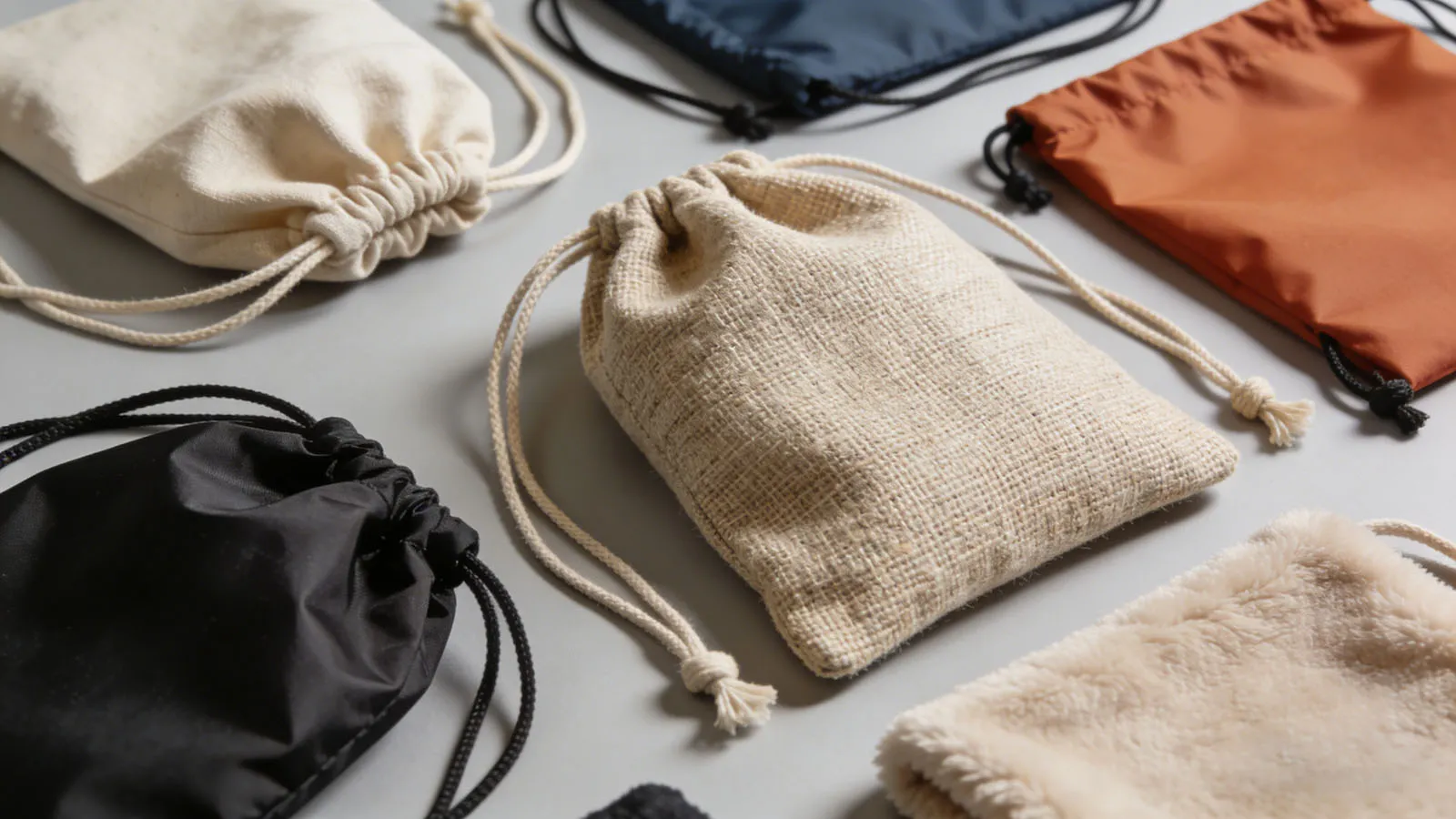
With their lightweight, easy-to-store, and versatile features, drawstring bags have become an "essential item" in daily life, fitness, and business promotion. However, many people are confused about "which fabric to choose" when customizing or purchasing. In fact, there are significant differences between practical drawstring bag fabrics and high-end custom drawstring bag materials. Choosing the right material not only enhances the user experience but also extends the service life. This article will detail the mainstream fabric types, characteristics, and applicable scenarios of drawstring bags to help you accurately match your needs.
Classification of Drawstring Bag Fabrics: Three Categories Based on Cost-Effectiveness and Usage
The choice of drawstring bag fabric is directly related to its cost, performance, and usage scenarios. Based on price positioning and core advantages, drawstring bag fabrics on the market can be clearly divided into three categories: basic practical type, mid-range durable type, and high-end custom type, each with irreplaceable value.
Basic Practical Type: Non-Woven Fabric – First Choice for Low-Cost Scenarios
As the "entry-level fabric" for drawstring bags, non-woven fabrics dominate the mainstream market for disposable and short-term use scenarios due to their affordable prices and environmental properties. Unlike traditional "woven fabrics", this type of fabric is made by directly bonding fibers, thus presenting unique performance advantages.
Core Characteristics: Balancing Cost-Effectiveness and Environmental Protection
The most prominent advantage of non-woven fabrics is their low cost; their raw material cost is only 1/3 to 1/2 that of polyester, making them very suitable for mass production of promotional gifts or disposable items. At the same time, most non-woven fabrics produced by modern technology have degradable properties, which can degrade naturally after use without causing environmental pollution, conforming to the current environmental protection concept. In addition, their loose fiber structure provides good breathability, so even if wet items are stored, they are not easy to breed odors. However, non-woven fabrics also have obvious shortcomings: poor tear resistance, easy damage after long-term use, and a service life usually of 1 to 3 months.
Applicable Scenarios: Disposable or Short-Term Usage Needs
Based on the characteristics of "low cost and easy availability", non-woven drawstring bags are often used in scenarios such as supermarket shopping drawstring bags, exhibition promotion disposable drawstring bags, and takeaway packaging drawstring bags. For example, most of the packaging bags for fruits and vegetables in supermarkets and small gift storage bags at corporate exhibitions are made of non-woven fabrics, which can not only meet temporary usage needs but also control costs. Some thickened non-woven fabrics can also be used as household lightweight garbage storage bags, which are lightweight and easy to discard.
Mid-Range Durable Type: Knitted Fabric and Polyester – Optimal Solution for Repeated Use
For scenarios requiring repeated use, basic non-woven fabrics can no longer meet the needs. At this time, knitted fabrics and polyester become the mainstream choices. Although these two fabrics are in the mid-range price range, their core performances such as wear resistance and elasticity have been greatly improved, making them the preferred materials for sports drawstring bags and daily commuting drawstring bags.
Knitted Fabric: Outstanding Elasticity, Suitable for Human Body Needs
Knitted fabric is made of yarn through knitting technology. The gaps between fibers give it excellent elasticity and ductility. This feature allows knitted fabric drawstring bags to flexibly fit the shape of irregular items when storing them, avoiding tightness or damage. At the same time, knitted fabric has a soft and skin-friendly touch, which will not cause rough friction like non-woven fabrics, making it very suitable for close-to-skin use.
However, knitted fabric also has obvious shortcomings: it has strong breathability but poor water resistance, and is easy to penetrate when exposed to rain; its fiber structure is loose, and it is easy to pill after long-term friction. Therefore, knitted fabric drawstring bags are more suitable as fitness clothing drawstring bags and children's toy storage drawstring bags, where there is a high demand for elasticity and low demand for water resistance.
Polyester: Wear-Resistant and Durable, the King of Cost-Effectiveness
As an "all-rounder" among synthetic fabrics, polyester is widely used in the field of drawstring bags. Its stable molecular structure gives it high wear resistance and wrinkle resistance. Even after multiple folds and squeezes, it can quickly return to a flat state without deformation. At the same time, the water resistance of polyester is better than that of knitted fabric and non-woven fabric. After simple PU coating treatment, it can cope with slight rain erosion.
In terms of price, the unit price of polyester drawstring bags is usually between 10-30 yuan, balancing cost and durability. It is an ideal choice for sports and fitness drawstring bags, student book storage drawstring bags, and travel toiletries drawstring bags. For example, most fitness equipment bags commonly used by sports enthusiasts are made of polyester, which can not only hold sports shoes, towels and other items but also resist sweat penetration, with a service life of 1-2 years.
High-End Custom Type: Textured Fabrics – Dual Pursuit of Appearance and Quality
In scenarios such as gift customization and high-end storage, drawstring bags are not only "containers" but also symbols of quality and taste. At this time, the choice of high-end fabrics is particularly important. Such fabrics are usually more expensive, but they have irreplaceable advantages in touch, appearance, and process adaptability, and are the core materials for high-end gift drawstring bags and luxury storage drawstring bags.
Mainstream High-End Fabrics and Their Characteristics
Common high-end fabrics for drawstring bags include velvet, canvas, genuine leather, and high-count cotton. Each fabric has its unique style positioning:
-
Velvet: It has a soft and smooth touch and a delicate luster on the surface, which is highly high-end visually. It is suitable as holiday gift drawstring bags and cosmetic storage drawstring bags, which can instantly enhance the grade of gifts.
-
Canvas: Made of natural cotton fibers, it has a thick and stiff texture and good wear resistance. After dyeing, it can present a retro style, making it the first choice for retro-style gift drawstring bags and high-end outdoor equipment drawstring bags.
-
High-count cotton: It has a high count of cotton fibers, a delicate and skin-friendly touch, excellent breathability, and is environmentally friendly and non-irritating. It is suitable as baby product drawstring bags and intimate clothing storage drawstring bags.
A common advantage of these high-end fabrics is their adaptability to fine craftsmanship. Customization processes such as embroidery, gold stamping, and printing can present clearer and more delicate effects on their surfaces, perfectly meeting high-end customization needs.
Drawstring Bag Fabric Selection Tips: 3 Steps to Lock the Most Suitable Material for You
Faced with a variety of fabric choices, many people easily fall into the misunderstanding of "the more expensive the better" or "the cheaper the more cost-effective". In fact, the selection of drawstring bag fabrics should follow the principle of "scenario first", and combine usage frequency, core needs, and budget to make the optimal decision.
Step 1: Clarify Usage Frequency – Determine the Durability Requirement of the Fabric
If it is for one-time or short-term use (such as exhibition gifts, shopping packaging), non-woven drawstring bags are sufficient, which are low-cost and environmentally friendly; if it needs to be used more than 3 times a week (such as sports, commuting), durable fabrics such as polyester or knitted fabric are required; if it is for gift-giving or long-term storage (such as luxury accessories, high-end stationery), it is recommended to choose high-end fabrics such as velvet and canvas.
Step 2: Focus on Core Needs – Match the Key Characteristics of the Fabric
Different scenarios have different core needs for drawstring bags, which require targeted matching of fabric characteristics:
-
Waterproof requirement: Prioritize polyester (can be coated with waterproof layer);
-
Elasticity requirement: Choose knitted fabric;
-
Environmental protection requirement: Choose degradable non-woven fabric or high-count cotton;
-
Appearance requirement: Choose high-end fabrics such as velvet and canvas.
Step 3: Control the Budget – Balance Cost and Performance
Budget is an important consideration for bulk customization. If you need to make more than 1,000 promotional drawstring bags in bulk, non-woven fabrics have the most obvious cost advantage; if it is for corporate internal employee benefits (such as sports equipment bags), polyester is the "cost-effectiveness balance point"; if it is for high-end customer gifts, appropriate investment in high-end fabrics can enhance the brand image and bring higher added value.
Frequently Asked Questions About Drawstring Bag Fabrics
Q1: Can polyester drawstring bags be machine washed? Will they deform?
A1: Yes, they can be machine washed. Polyester has extremely strong wrinkle resistance and stability. When machine washing, select the gentle mode with water temperature not exceeding 30℃, and it will not easily deform after drying. However, it should be noted that polyester drawstring bags with prints or embroidery are recommended to be washed inside out to avoid pattern wear.
Q2: Are non-woven drawstring bags really environmentally friendly? How long does degradation take?
A2: Degradable non-woven drawstring bags produced by regular manufacturers are environmentally friendly. Their main raw material is plant fiber, and the degradation time in the natural environment is about 3-6 months, which is much shorter than that of plastic materials. However, it is necessary to distinguish between "degradable non-woven fabrics" and "non-degradable non-woven fabrics". You can check the product's environmental certification when purchasing.
Q3: Is knitted fabric or polyester better for sports drawstring bags?
A3: If it is mainly used to hold lightweight clothes and towels, the elasticity and breathability of knitted fabric are more suitable; if it needs to hold heavy or angular items such as sports shoes and water bottles, polyester has better wear resistance and load-bearing capacity, so it is recommended to choose polyester first.
Q4: Are there other options for high-end gift drawstring bags besides velvet and canvas?
A4: Yes. You can also choose fabrics such as real silk and suede. Real silk has a delicate touch and soft luster, suitable for high-end cosmetics or jewelry gifts; suede has a leather-like touch and a strong retro texture, suitable as men's gift drawstring bags.
Q5: Will the thickness of the drawstring bag fabric affect its use? How to choose the thickness?
A5: Yes, it will. For non-woven fabrics, it is recommended to choose a thickness of 80-120g/㎡; too thin will be easy to break. For polyester, 150-200g/㎡ can meet daily needs; for sports or outdoor scenarios, thickened versions above 200g/㎡ can be chosen. For high-end fabrics such as canvas, it is recommended to choose above 240g/㎡ to highlight the texture.
Q6: Is there a minimum order quantity requirement for fabrics when customizing drawstring bags in bulk?
A6: Yes. The minimum order quantity for non-woven drawstring bags is usually low, and customization can be done with 500 pieces. The minimum order quantity for polyester drawstring bags is mostly 1,000 pieces. Due to the complex fabric procurement and craftsmanship, the minimum order quantity for high-end fabrics is usually no less than 500 pieces, which can be negotiated with the manufacturer in detail.
share
Contact Us
Your email address will not be published. Required fields are marked*
Related Products
.png)