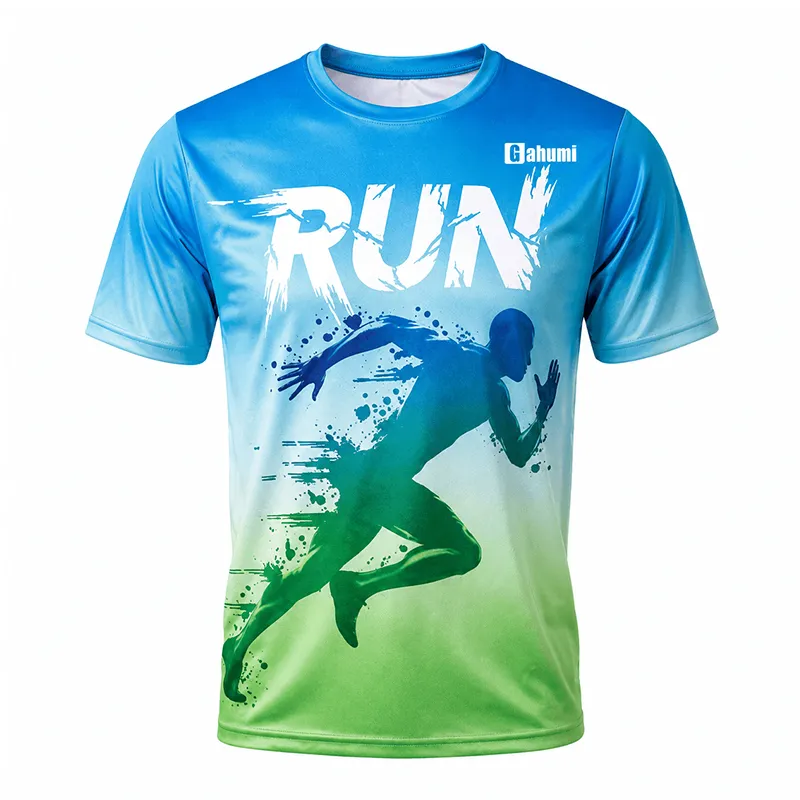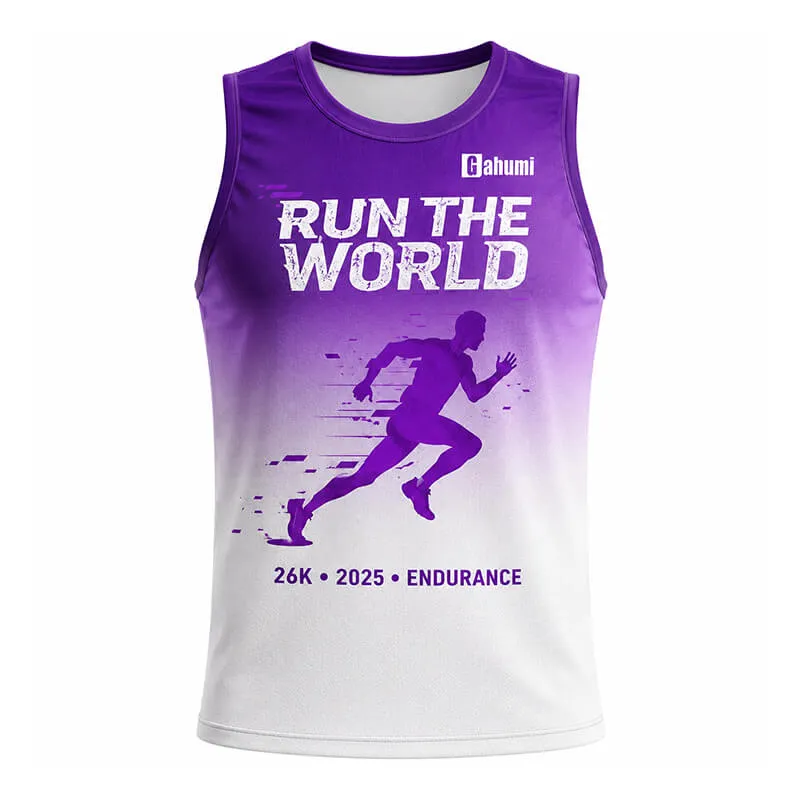
 Tshirt
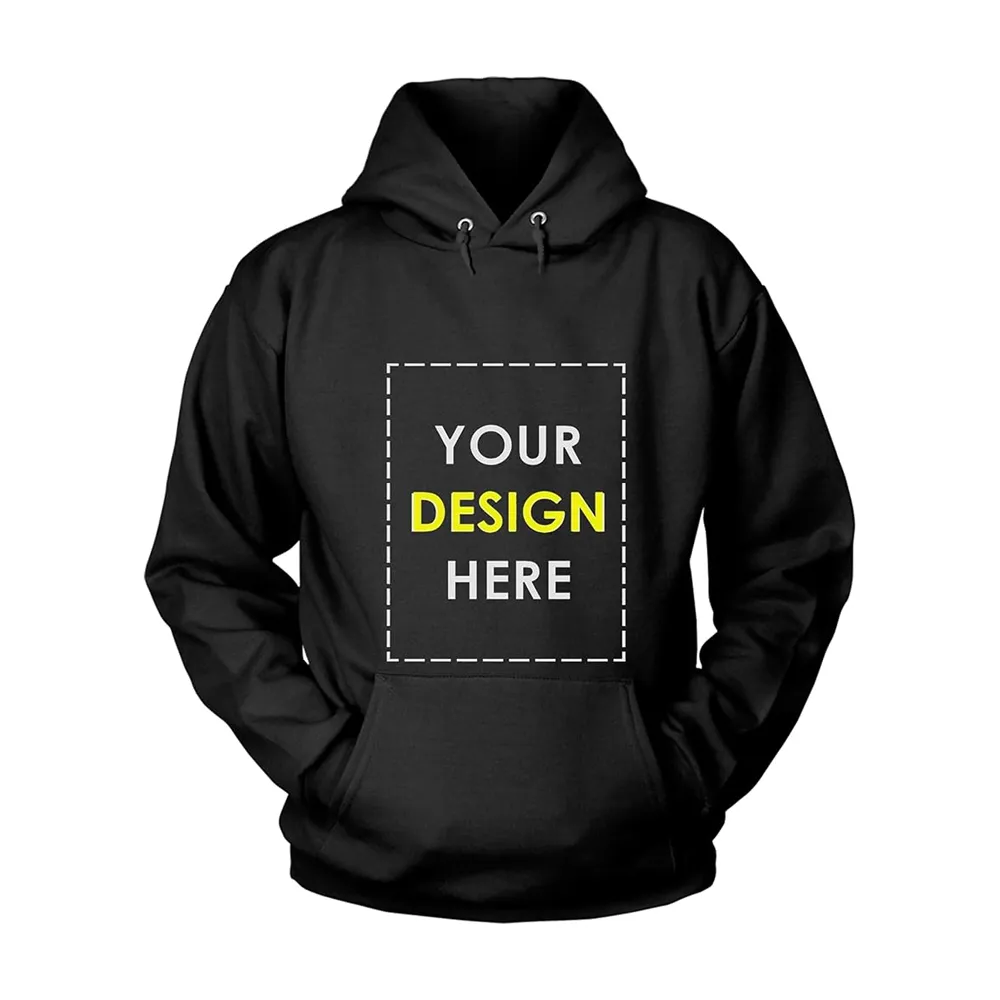 Custom Hoodie & Sweat
 Custom Bags
 Flag
Flag
 Towel
Towel
 Custom Scarf
 Cap
Cap

.webp)
.webp)
.webp)
Master corporate textile branding with Gahumi's proven techniques. Explore custom printing solutions for maximum brand visibility and ROI.
In today’s competitive marketplace, corporate merchandise has emerged as a powerful tool for brand recall and customer engagement. According to recent ASI studies, corporate merchandise accounts for a staggering 40% of brand recall. This statistic underscores the importance of strategic branding through promotional items, particularly in the textile industry. Companies are increasingly turning to advanced textile customization techniques to transform ordinary promotional items into powerful brand ambassadors. This comprehensive guide, brought to you by Gahumi, delves into the intricacies of corporate textile branding, offering procurement teams actionable insights to maximize brand visibility and return on investment (ROI).
The Power of Corporate Textile Branding
Corporate textile branding is more than just slapping a logo on a t-shirt or tote bag. It’s about creating a lasting impression that resonates with your target audience. Whether it’s for events, employee kits, or customer loyalty programs, the right textile branding strategy can significantly enhance your brand’s visibility and recall.
Why Textile Branding Matters:
High Visibility: Textile items like apparel, bags, and accessories are used daily, offering repeated exposure to your brand.
Tangible Connection: Unlike digital ads, textile items provide a physical connection to your brand, fostering a sense of loyalty and trust.
Versatility: Textile branding can be adapted for various purposes, from corporate events to retail promotions, making it a versatile tool in your marketing arsenal.
Comparative Analysis: Screen Printing vs. Digital Printing vs. Embroidery
Choosing the right customization technique is crucial for the success of your textile branding campaign. Here’s a comparative analysis of the three most popular methods: screen printing, digital printing, and embroidery.
Screen Printing:
Pros:
- Cost-effective for large orders.
- Durable and long-lasting.
- Vibrant colors and high-quality finish.
Cons:
- Limited color options.
- Not ideal for complex designs.
- Longer setup time.
Digital Printing:
Pros:
- Ideal for complex designs and full-color prints.
- No setup costs, making it cost-effective for small orders.
- Quick turnaround time.
Cons:
- Less durable than screen printing.
- Higher cost per unit for large orders.
- Limited to certain fabric types.
Embroidery:
Pros:
- Premium look and feel.
- Highly durable and long-lasting.
- Ideal for logos and simple designs.
Cons:
- Higher cost compared to printing methods.
- Limited to smaller designs.
- Not suitable for all fabric types.
Cost-Effective Strategies for Multi-Product Campaigns
Running a multi-product campaign can be challenging, especially when it comes to managing costs. Here are some strategies to ensure your campaign is both effective and budget-friendly:
Bulk Ordering: Ordering in bulk can significantly reduce per-unit costs. Partner with a reliable supplier like Gahumi to negotiate better rates.
Standardization: Standardize your designs across different products to minimize setup costs.
Efficient Inventory Management: Use Just-In-Time (JIT) inventory management to reduce storage costs and minimize waste.
Eco-Friendly Options: Opt for eco-friendly materials that not only align with your Corporate Social Responsibility (CSR) goals but also appeal to environmentally conscious consumers.
Case Study: Global Sports Event Merchandise Production
One of the most successful examples of corporate textile branding is the merchandise production for global sports events. These events offer a unique opportunity for brands to reach a massive, engaged audience.
Case Study Overview:
Client: A leading sportswear brand
- Challenge: Producing high-quality, branded merchandise for a global audience within a tight deadline.
- Solution: Gahumi leveraged its advanced textile customization techniques, including digital printing and embroidery, to produce a range of products, from jerseys to caps and bags. The company also implemented JIT inventory management to ensure timely delivery.
- Results: The campaign was a resounding success, with the client reporting a 50% increase in brand recall and a 30% boost in sales.
Eco-Friendly Material Options for CSR-Aligned Branding
As consumers become more environmentally conscious, brands are under increasing pressure to adopt sustainable practices. Eco-friendly materials not only help reduce your environmental footprint but also enhance your brand’s reputation.
Popular Eco-Friendly Materials:
Organic Cotton: Grown without harmful pesticides, organic cotton is a sustainable alternative to conventional cotton.
Recycled Polyester: Made from recycled plastic bottles, this material reduces waste and conserves resources.
Hemp: Known for its durability and low environmental impact, hemp is an excellent choice for eco-friendly textiles.
Bamboo: Fast-growing and biodegradable, bamboo is a sustainable option for soft, breathable fabrics.
Benefits of Eco-Friendly Branding:
Enhanced Brand Image: Consumers are more likely to support brands that prioritize sustainability.
Regulatory Compliance: Adopting eco-friendly practices can help you stay ahead of regulatory changes.
Cost Savings: Sustainable materials often have lower long-term costs due to their durability and efficiency.
Inventory Management Solutions for JIT Campaigns
Effective inventory management is crucial for the success of any textile branding campaign. Just-In-Time (JIT) inventory management is a strategy that minimizes inventory costs by receiving goods only as they are needed.
Key Benefits of JIT Inventory Management:
Reduced Storage Costs: By keeping inventory levels low, you can save on storage space and associated costs.
Minimized Waste: JIT helps reduce the risk of overproduction and unsold inventory.
Improved Cash Flow: With less capital tied up in inventory, you can allocate resources more efficiently.
Implementing JIT with Gahumi:
Gahumi offers tailored inventory management solutions to help you implement JIT effectively. Our advanced logistics and production capabilities ensure that you receive high-quality, customized textiles exactly when you need them.
Corporate textile branding is a powerful tool for enhancing brand visibility and recall. By leveraging advanced customization techniques, cost-effective strategies, and eco-friendly materials, you can create impactful campaigns that resonate with your target audience. Partnering with a trusted expert like Gahumi ensures that your branding efforts are both effective and efficient, delivering maximum ROI.
Whether you’re planning a multi-product campaign, producing merchandise for a global event, or aligning your branding with CSR goals, Gahumi’s proven techniques and solutions can help you achieve your objectives. Explore our custom textile branding options today and transform your promotional items into powerful brand ambassadors.

.png)