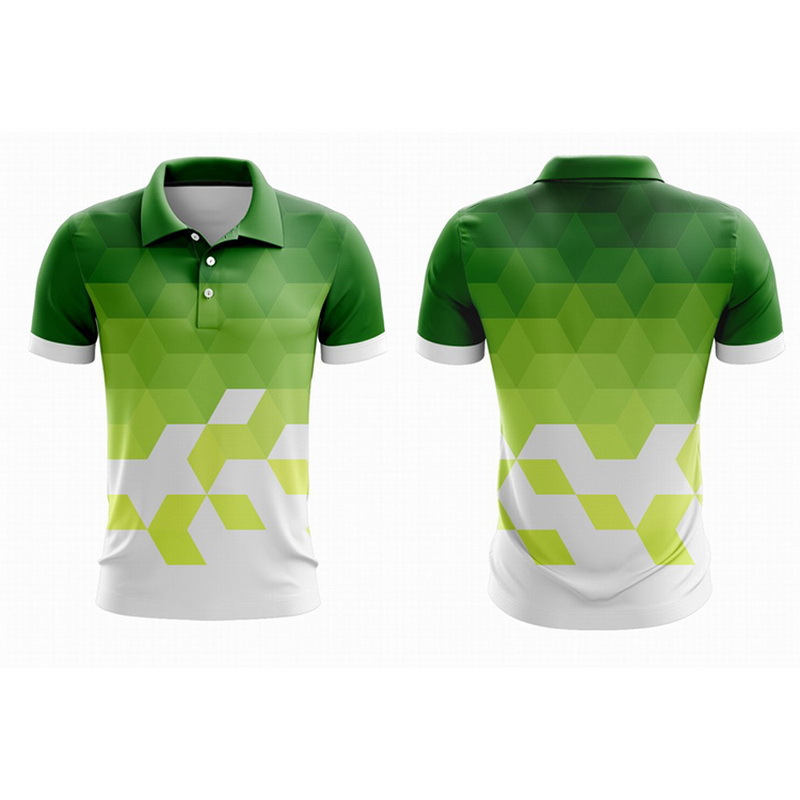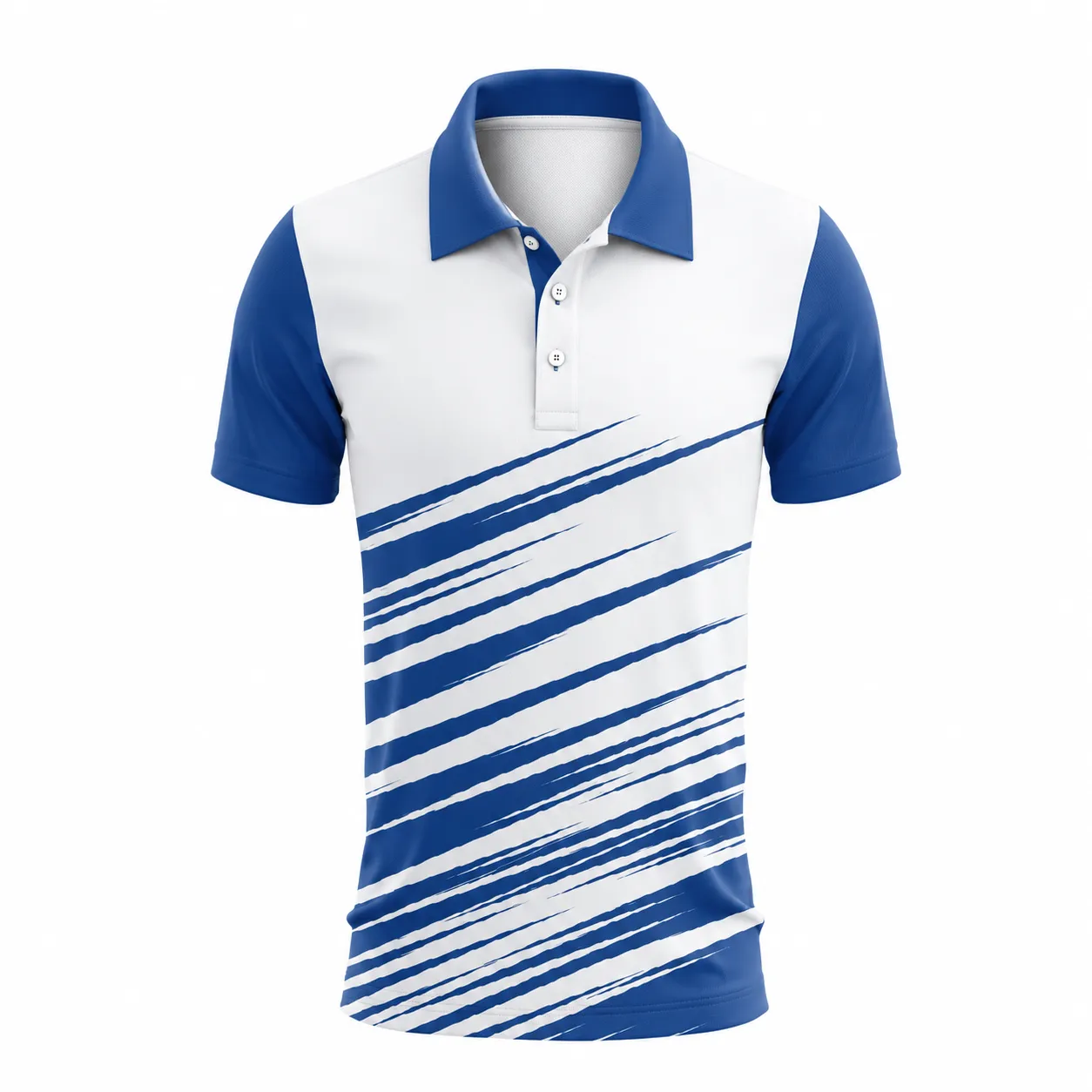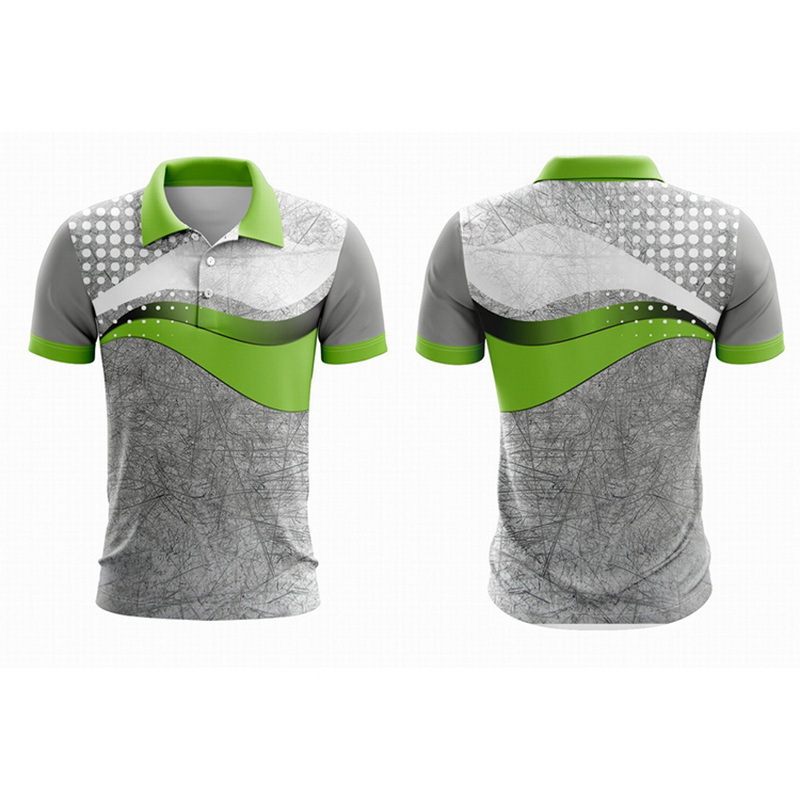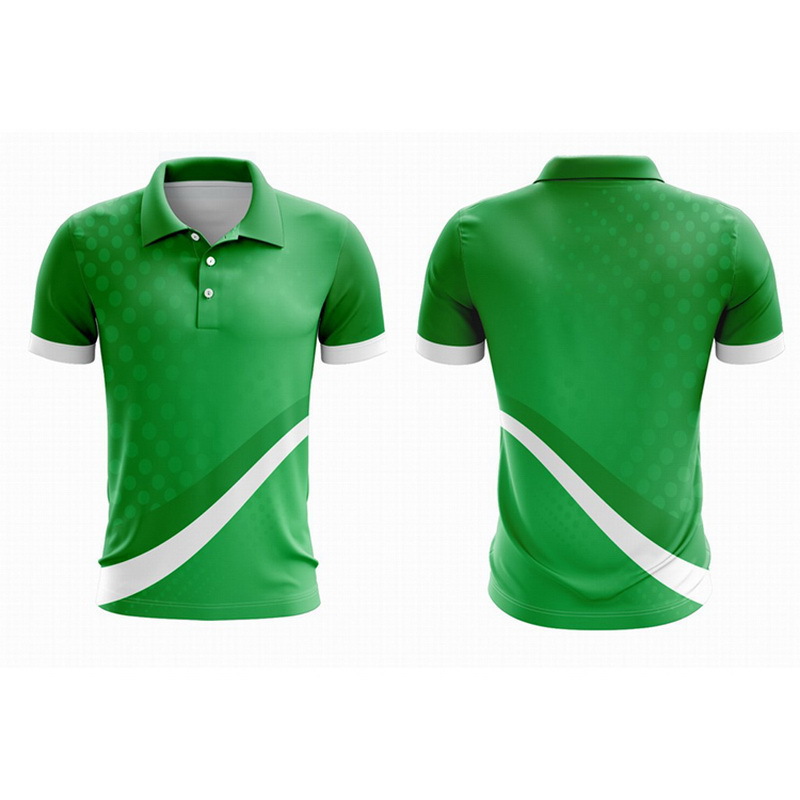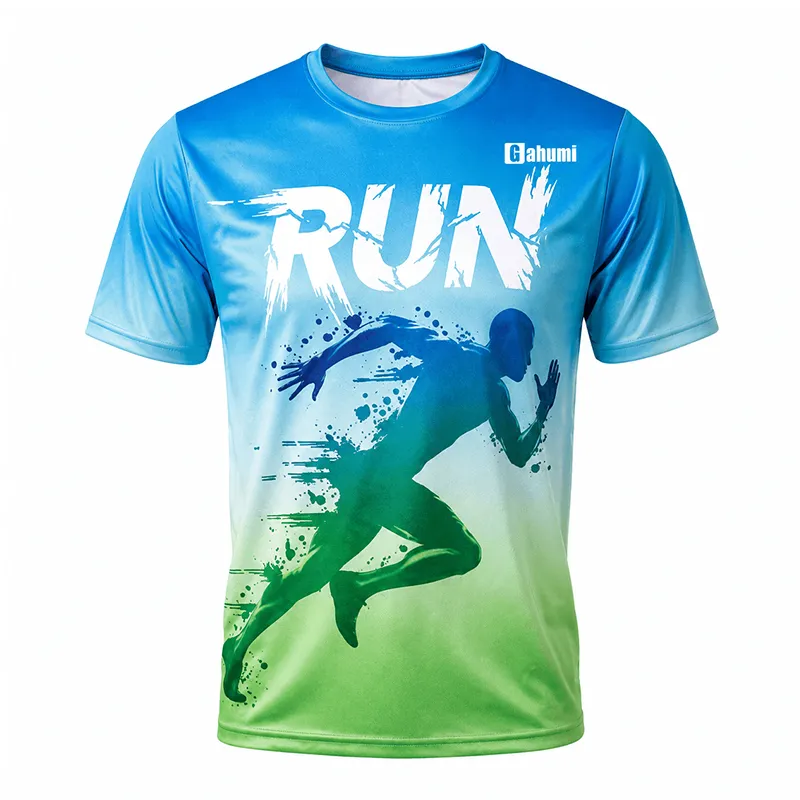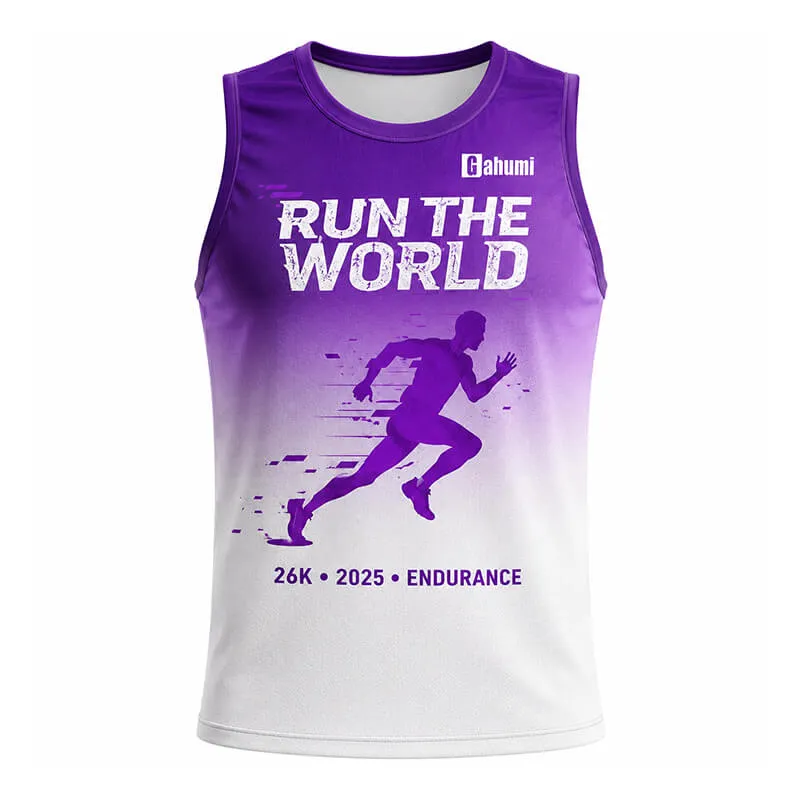
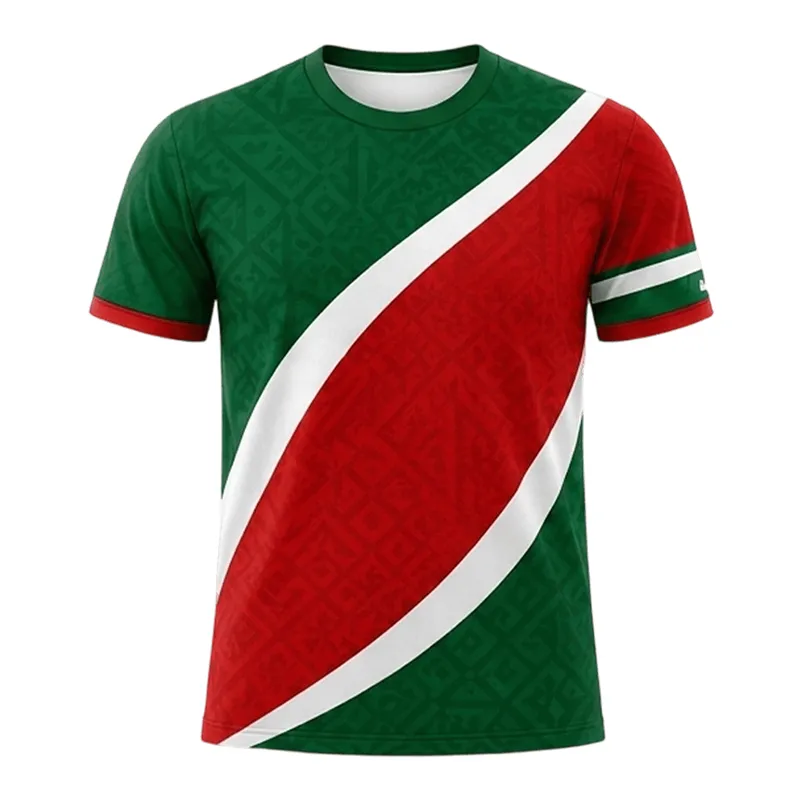
 Tshirt
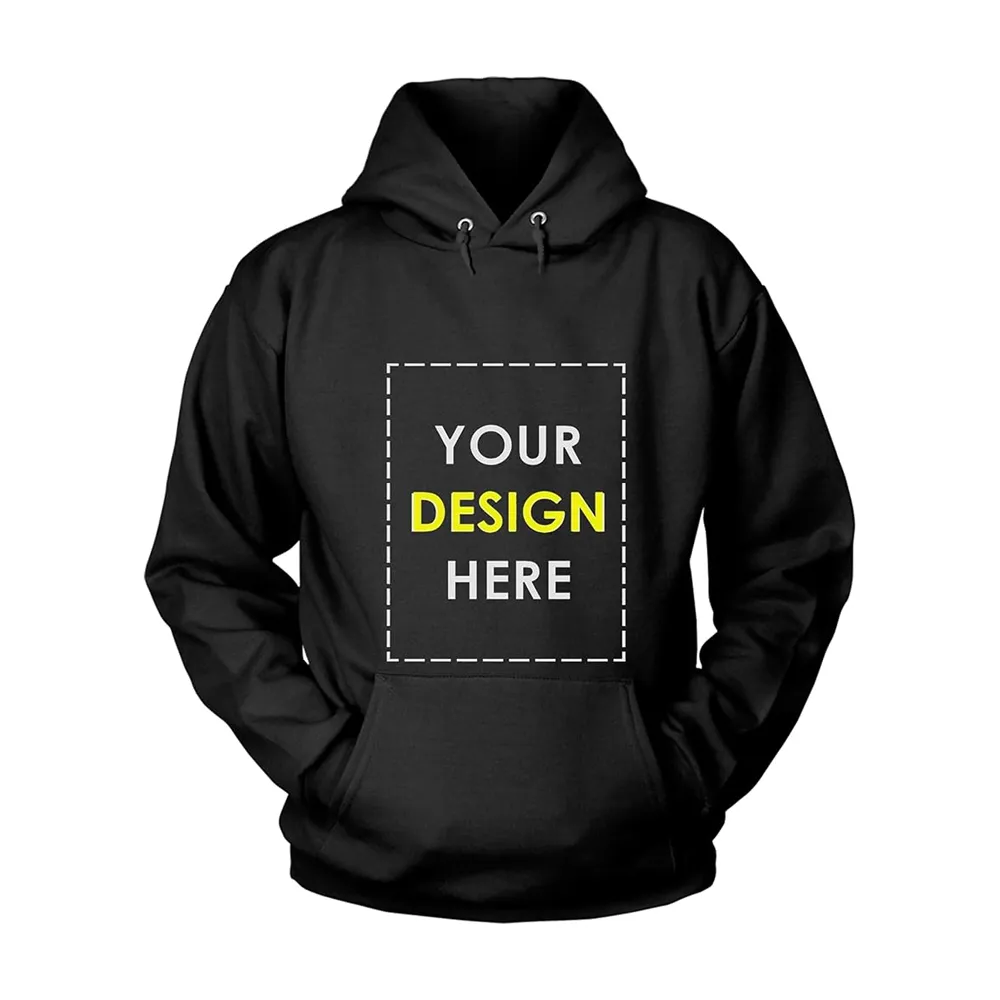 Custom Hoodie & Sweat
 Custom Bags
 Flag
Flag
 Towel
Towel
 Custom Scarf
 Cap
Cap

.webp)
.webp)
.webp)
Non-woven fabric, a flexible material that bonds fibers without weaving or knitting, offers exceptional customization potential. For brands seeking a balance between functionality and cost, custom non woven fabric can be tailored in material, thickness, and 工艺 to suit diverse scenarios—from shopping bags to medical protection.
With 31 years of experience in textile customization, Gahumi specializes in the logic of non-woven customization, providing full-category services from spunbond to spunlace fabrics, balancing strength, breathability, and eco-friendliness. Below is an analysis of the core value of custom non-woven fabrics, from production principles to practical applications.
1. The Essence of Custom Non-Woven Fabric: A Flexible Solution Beyond Traditional Textiles
The key difference between non-woven and traditional fabrics lies in how fibers are bonded: instead of interlacing yarns, fibers are fixed into cloth through mechanical entanglement (e.g., needle punching), thermal bonding (e.g., hot rolling), or chemical bonding (e.g., adhesives). This characteristic gives it inherent customization flexibility—fiber type, density, and bonding Craftsmanship can be adjusted to precisely match functional needs.
- Material Customization: Choose synthetic fibers (PP/PET) for durability, or blend with cotton/bamboo fibers for skin-friendliness. Gahumi’s custom spunlace fabric for a baby wipe brand uses 70% bamboo fiber + 30% polyester, balancing softness and tear resistance.
- Process Customization: Needle punching increases thickness (ideal for carpets), spunlacing enhances softness (suitable for wipes), and spunbonding optimizes strength (perfect for shopping bags). A supermarket’s custom tote bags use 25gsm spunbond + 10gsm meltblown composite fabric, with a load capacity of 8kg and water resistance.
- Functional Customization: Add antibacterial agents (medical scenarios), flame retardants (industrial use), or UV stabilizers (outdoor applications). Gahumi’s custom weed control fabric for agricultural clients, treated with UV stabilizers, extends sun resistance to 12 months.
2. Production Process: Full Control from Fiber to Custom Finished Product
Custom non-woven production involves four core stages, each adjustable to requirements:
1. Fiber Preparation: The Starting Point of Customization
Select fiber types and ratios based on end use:
- Synthetic fibers (PP/PET): Suitable for water-resistant, wear-resistant scenarios (e.g., shopping bags, industrial wipes) with lower costs;
- Natural fibers (cotton/bamboo pulp): Ideal for medical/hygiene uses (e.g., mask liners, wipes), with GOTS-certified organic options available;
- Blended fibers: Balance performance and cost, e.g., 60% PP + 40% cotton for strength and breathability.
Gahumi’s fiber library includes 30+ materials, supporting small-batch blending tests (minimum 50kg) to help clients find optimal ratios.
2. Web Formation: Key to Cloth Structure
Spread fibers into a uniform web via:
- Dry-laid: Suitable for short fibers, creating fluffy cloth (e.g., hygiene products);
- Spunbond: Directly spinning polymer melts into webs for high strength (e.g., shopping bags);
- Wet-laid: Suspending fibers in water before forming, ideal for fine filtration materials (e.g., air filters).
A car brand’s custom air filter fabric uses wet-laid Craftsmanship,with fiber diameter controlled below 5μm, achieving 99% filtration efficiency.
3. Bonding: Core for Cloth Strength
Choose bonding methods based on fiber properties:
- Mechanical bonding (needle punching/spunlacing): Physically entangling fibers for thick, wear-resistant products (e.g., geotextiles);
- Thermal bonding: Melting thermoplastic fibers (e.g., PP) with heat for thin, uniform cloth (e.g., packaging);
- Chemical bonding: Using adhesives to enhance water resistance (e.g., outdoor tent cloth).
Gahumi’s double-roll hot rolling machine enables partial thermal bonding, creating custom patterns on cloth to boost aesthetics and local strength.
4. Finishing: Final Step for Functional Upgrade
Add special treatments as needed:
- Water-resistant finishing: PTFE coating for a contact angle ≥130° (suitable for outdoor bags);
- Antistatic finishing: Adding carbon nanotubes to reduce surface resistance to 10⁶Ω (ideal for cleanroom workwear);
- Printing finishing: Gravure printing for brand logos with color fastness up to level 4 (perfect for promotional bags).
3. Main Types & Custom Application Scenarios
Different non-woven types, due to process differences, suit distinct scenarios—customization further amplifies their advantages:
|
Type |
Core Process |
Custom Features |
Typical Applications |
|
Spunbond |
Melt spinning web |
Adjustable thickness (10-100gsm) |
Shopping bags, protective clothing |
|
Meltblown |
High-velocity air drawing |
Controllable fiber fineness (1-5μm) |
Mask filters, air purifiers |
|
Needle-punched |
Needle entanglement |
Adjustable density (200-800gsm) |
Carpets, geotextiles |
|
Spunlace |
High-pressure water jet entanglement |
Enhanced softness (cotton-like feel) |
Wet wipes, medical dressings |
|
Composite |
Multi-layer lamination |
Combined functions (e.g., spunbond + meltblown) |
Insulated bags, chemical protective suits |
1. Packaging & Promotional Scenarios
Custom non-woven bags are core for brand promotion, with customization to boost visibility:
- Thickness Selection: 15-25gsm for promotions (lightweight, low-cost); 30-50gsm for long-term use (durable);
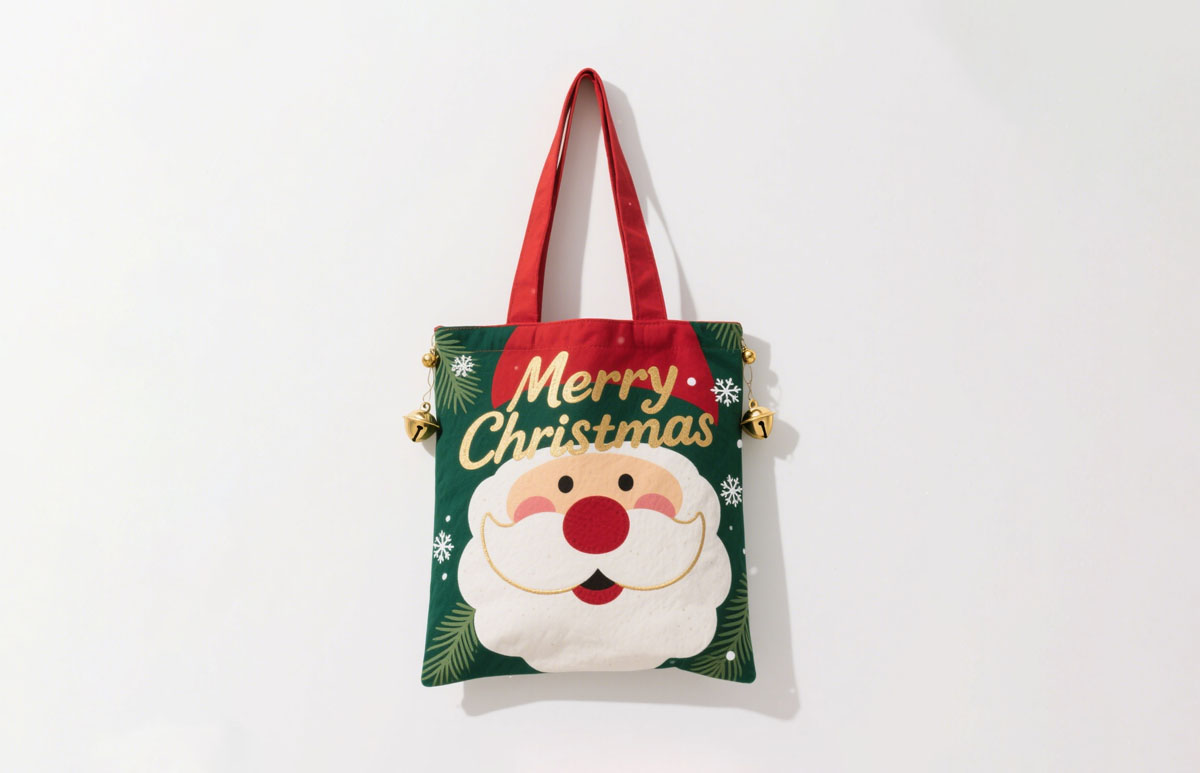
- Printing process: Screen printing for large logo blocks; digital printing for complex patterns (e.g., holiday-themed bags);
- Structural Design: Add side pockets (for phones), snaps (to prevent spills), or foldable designs (easy to carry).
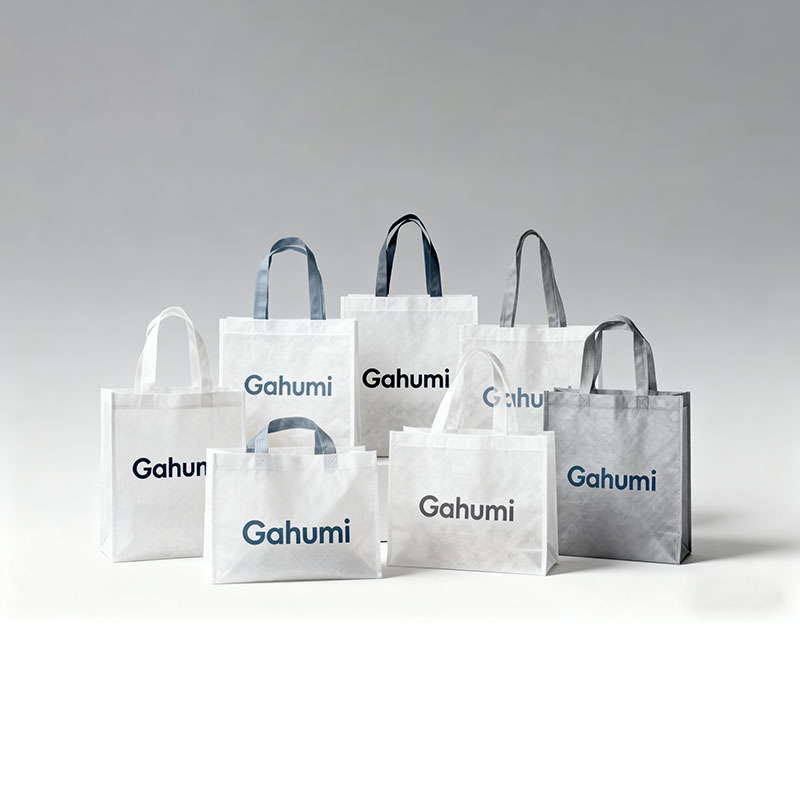
Gahumi’s custom bags for a beverage brand use 25gsm spunbond with full-color digital printing, delivering 100,000 units in 3 days, achieving over 5 million impressions during the campaign.
2. Medical & Hygiene Scenarios
Custom non-wovens must meet strict safety standards:
- Medical grades require ISO 13485 certification, using sterile thermal bonding (avoiding adhesive residues);
- Wipe fabrics undergo EDI ultrapure water cleaning, with bacterial count ≤10cfu/g;
- Surgical gown fabrics need hydrostatic pressure resistance ≥20kPa (to prevent fluid penetration).
A medical device company’s custom surgical drapes use spunbond + meltblown composite fabric, ensuring breathability and bacterial barrier, passing FDA certification.
3. Industrial & Agricultural Scenarios
Functionality is key, with customization focusing on durability and environmental adaptability:
- Geotextiles use 800gsm needle-punched fabric, acid/alkali resistant (suitable for road engineering);
- Weed control fabrics add black masterbatch for ≥90% light blocking (inhibiting weed growth);
- Filter fabrics control pore size distribution (e.g., 5-10μm) for various liquid filtration needs.
4. Sustainable Customization: Balancing Performance & Eco-Friendliness
As environmental requirements rise, custom non-wovens can reduce impact via:
- Biodegradable materials: PBAT/PLA blended fibers, compostable in 180 days (ideal for disposable products);
- Recycled materials: Using recycled PP bottle fibers, with 30% recycled content matching virgin performance;
- Low-carbon Craftsmanship: Adopting biomass energy—Gahumi’s European client’s custom fabric reduced carbon footprint by 40%, earning EU eco-label.

.png)