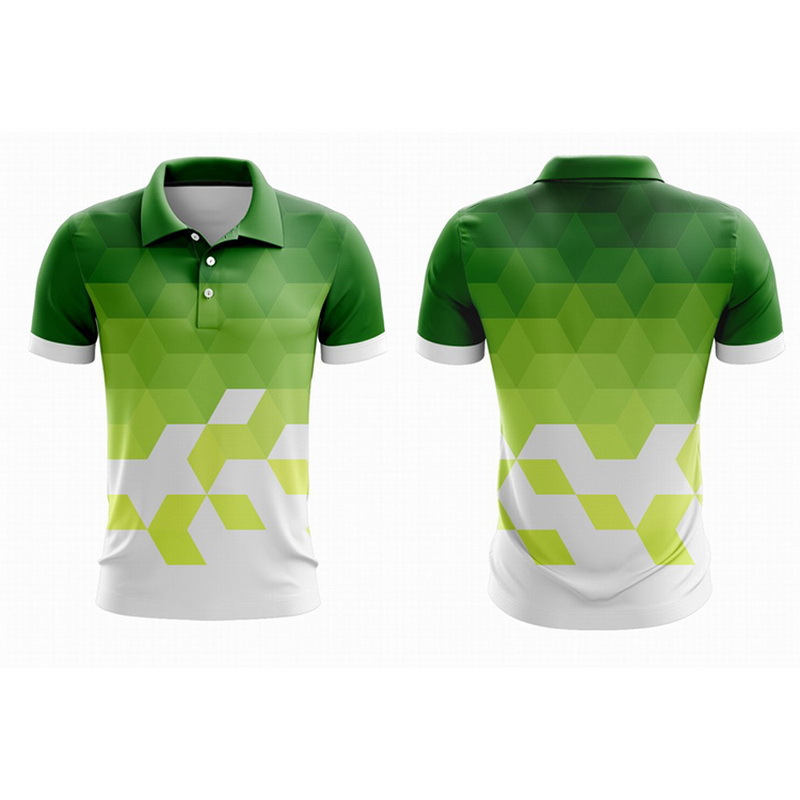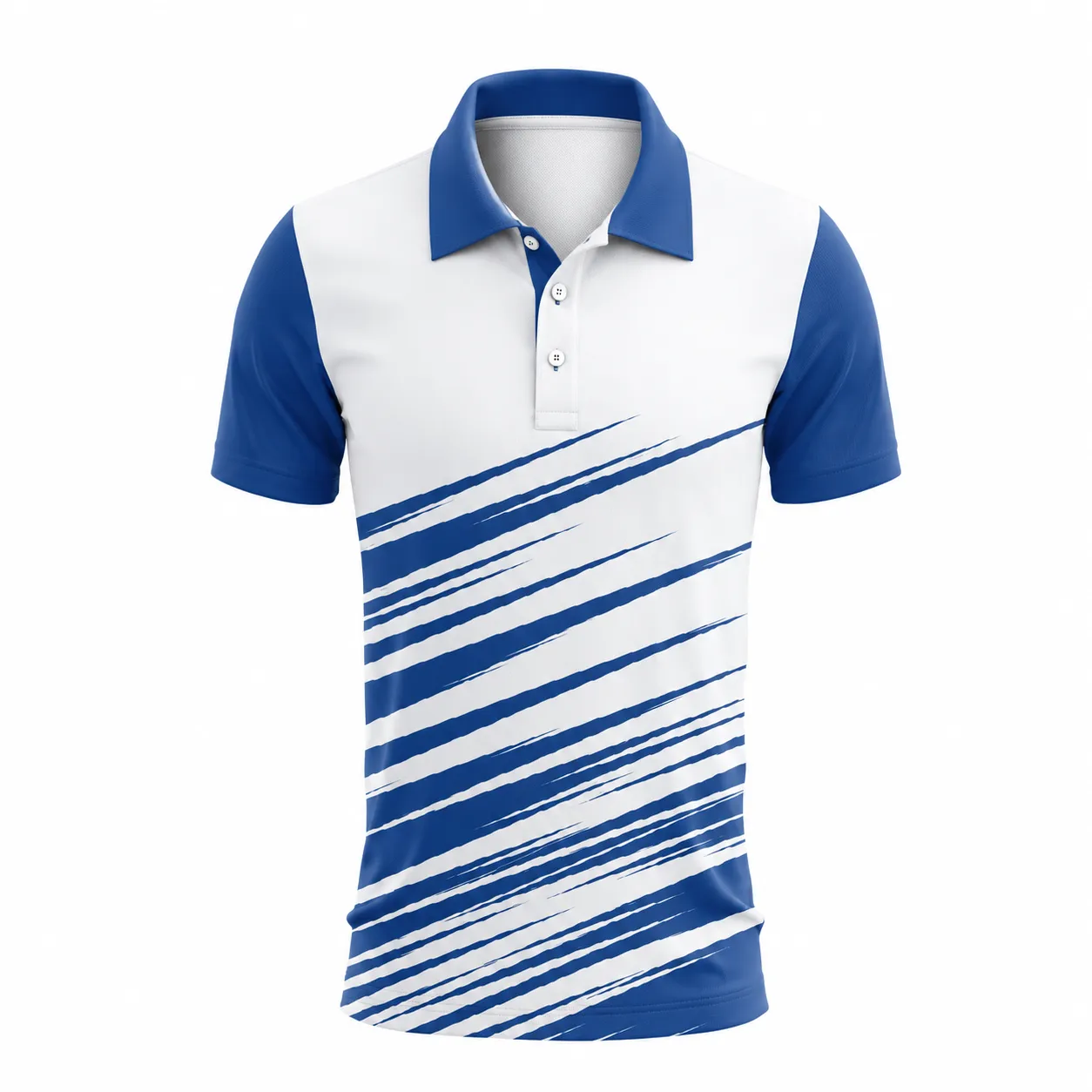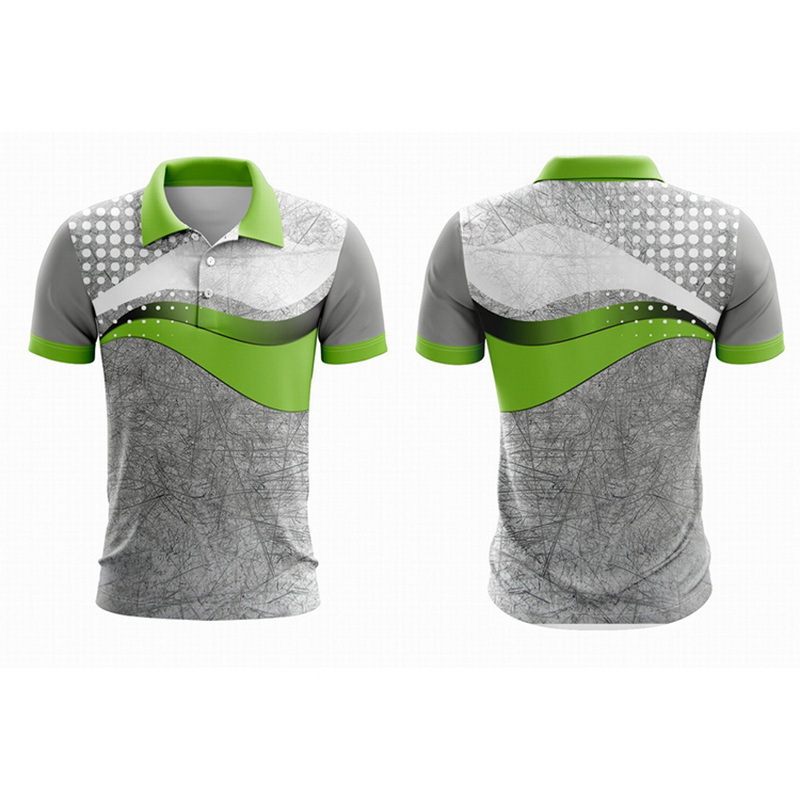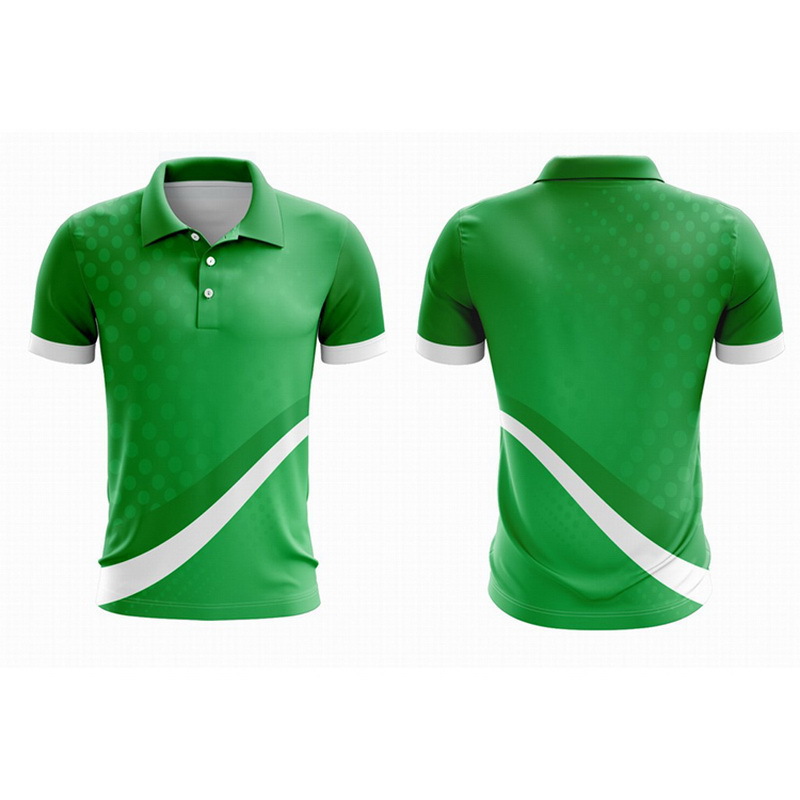
 Tshirt
 Custom Hoodie & Sweat
 Custom Bags
 Flag
Flag
 Towel
Towel
 Custom Scarf
 Cap
Cap


.webp)
.webp)
.webp)
n an era where 73% of global consumers prioritize eco-friendly products (NielsenIQ, 2023), certifications like OEKO-TEX® and GOTS have become non-negotiable benchmarks for brands sourcing textiles. Yet, navigating the complexities of these standards—and understanding which aligns with specific product categories like performance apparel, promotional towels, or outdoor flags—remains a persistent challenge. This article provides a tactical breakdown of OEKO-TEX® and GOTS certifications, analyzing their testing protocols, compliance costs, and market positioning advantages. For brands partnering with OEMs like Gahumi, mastering this distinction is critical to avoiding costly missteps, ensuring regulatory compliance, and unlocking premium pricing in sustainability-driven markets.
Certification Overview: Core Philosophies and Target Markets
OEKO-TEX® STANDARD 100
- Focus: Product safety via harmful substance testing.
- Scope: Covers finished textiles (T-shirts, hats) and components (threads, dyes).
- Market Fit: Ideal for brands targeting EU/US mass retailers prioritizing chemical compliance over full organic sourcing.
Global Organic Textile Standard (GOTS)
- Focus: Holistic sustainability from farm to finished product.
- Scope: Requires 70%+ organic fibers and ethical labor practices.
- Market Fit: Premium brands in eco-luxury (e.g., organic cotton towels) or B Corp-aligned sectors.
Testing Protocols: A Side-by-Side Analysis
Chemical Restrictions
- OEKO-TEX®: Tests for 350+ substances, including AZO dyes and heavy metals (lead, cadmium). Limits align with EU REACH Annex XVII.
- GOTS: Prohibits 111 chemicals (e.g., formaldehyde, chlorine bleach) and mandates GMO-free materials.
Case Example: Gahumi’s anti-bacterial golf towels passed OEKO-TEX®’s pH skin-friendliness test but required reformulation to meet GOTS’ ban on nano-silver particles.
Environmental Criteria
- OEKO-TEX®: Optional "ECO PASSPORT" for sustainable dyes; no water/energy use mandates.
- GOTS: Requires wastewater treatment (COD <25g/kg fabric) and 70% renewable energy in production.
Gahumi’s Compliance Strategy: Our ZLD (Zero Liquid Discharge) system satisfies GOTS’ water standards, while OEKO-TEX® certifications cover Costco/Walmart’s baseline requirements.
Cost and Time Implications for OEM Partners
Certification Costs
- OEKO-TEX®: $1,200–$3,500 per product category (e.g., flags vs. baby clothes). Annual renewal.
- GOTS: $8,000–$15,000+ for initial certification, including farm audits for organic cotton.
Gahumi’s Bulk Advantage: Shared certification costs across 50+ clients reduce per-unit fees by 30%.
Timelines
- OEKO-TEX®: 4–6 weeks for testing + label issuance.
- GOTS: 3–6 months due to farm-to-factory traceability audits.
Gahumi’s Accelerated Process: Pre-certified material banks (e.g., GOTS organic cotton rolls) cut lead times by 40%.
Market Access and Premium Pricing Potential
OEKO-TEX®’s Retailer Leverage
- Key Advantage: Mandatory for Amazon’s Climate Pledge Friendly program and EU daycare textiles.
- Pricing Lift: 8–12% premiums in mid-tier markets (e.g., promotional T-shirts).
GOTS’ Luxury Appeal
- Key Advantage: Required by Patagonia, Eileen Fisher, and EU green public procurement tenders.
- Pricing Lift: 15–25% premiums for organic towels or yoga apparel.
Gahumi’s Hybrid Approach: A European client saved $220K by using OEKO-TEX®-certified dyes for 80% of its flag order while reserving GOTS for a 20% organic linen luxury sub-line.
Compliance Risks: Where Brands Often Stumble
OEKO-TEX® Pitfalls
- Batch Variance: A 2022 recall of 50,000 hats occurred when a dye lot exceeded formaldehyde limits.
- Solution: Gahumi’s real-time HPLC testing ensures every production batch meets thresholds.
GOTS Challenges
- Documentation Gaps: Farms failing to prove organic heritage (e.g., 3-year transition period).
- Solution: Gahumi’s partnered organic cotton farms provide blockchain-free digital trailers.
Strategic Certification Pairing: Maximizing ROI
- Tier 1 (Entry): OEKO-TEX® for basic compliance in price-sensitive markets (e.g., election campaign flags).
- Tier 2 (Mid-Market): OEKO-TEX® + recycled content claims (e.g., 50% PET canvas bags).
- -Tier 3 (Premium): GOTS + carbon-neutral certification (e.g., organic bamboo baby apparel).
Gahumi’s Client Example: A U.S. hotel chain achieved 22% higher ADR (Average Daily Rate) by equipping staff with GOTS-certified towels while using OEKO-TEX® uniforms for cost control.
Future Trends: Evolving Standards
- OEKO-TEX®: Expanding microplastic testing for synthetic fabrics (2025 roadmap).
- GOTS: Piloting regenerative agriculture scoring for cotton farms.
Gahumi’s Proactive Stance: Our R&D team reformulated 18 dyes to meet upcoming OEKO-TEX® PFAS bans, future-proofing client inventories.
Why Choose Gahumi for Certification-Driven Manufacturing?
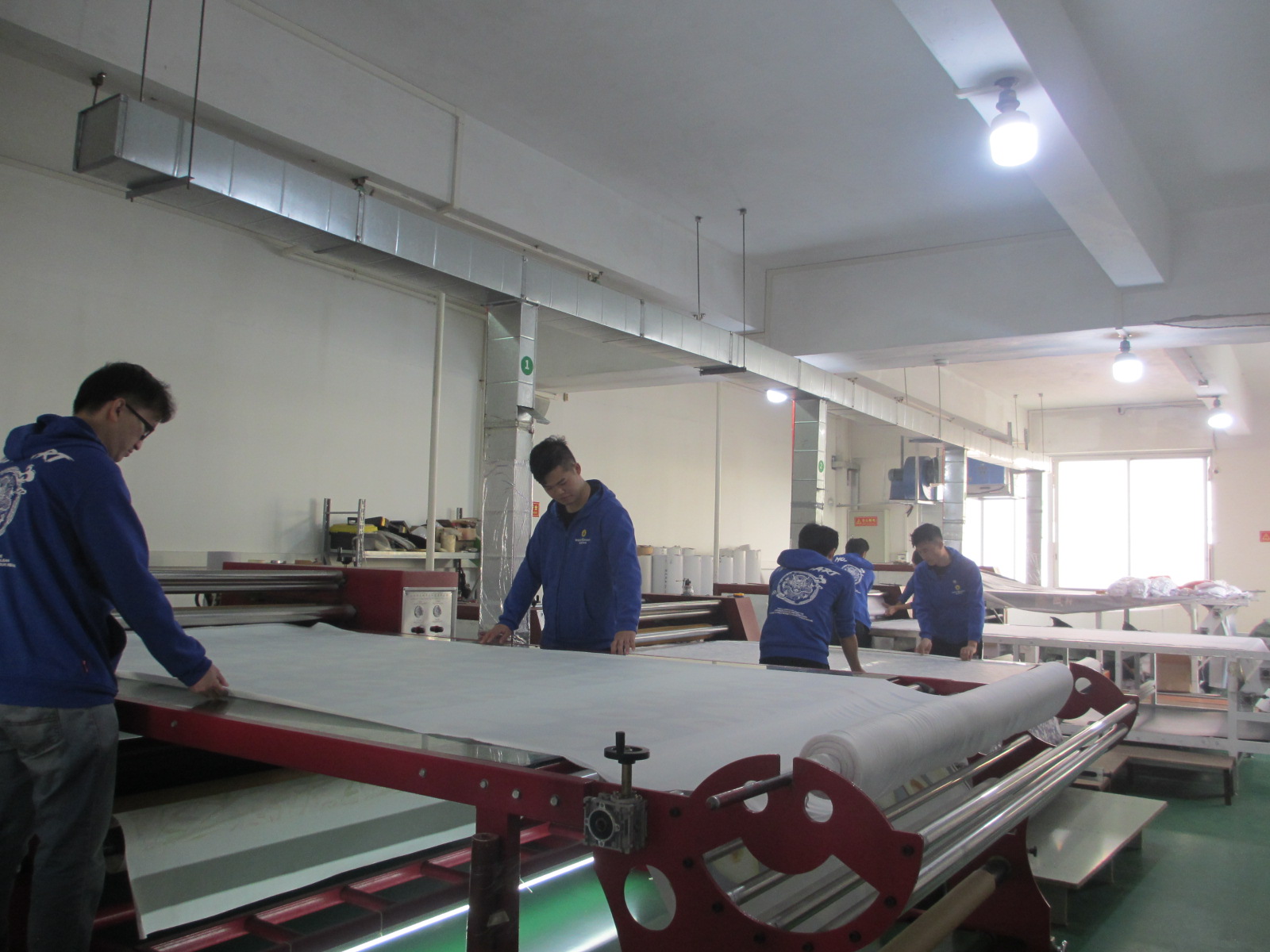
With dual OEKO-TEX® and GOTS certifications across 14 product categories, Gahumi empowers brands to navigate the sustainability maze with precision. Our 5,000 sqm vertical campus—equipped with in-house testing labs and WRAP-certified ethical workflows—ensures compliance isn’t a bottleneck but a competitive accelerator. Whether producing 500,000 OEKO-TEX® flags for a global event or 10,000 GOTS-certified organic tote bags, we transform complex standards into market-ready advantages.


.png)