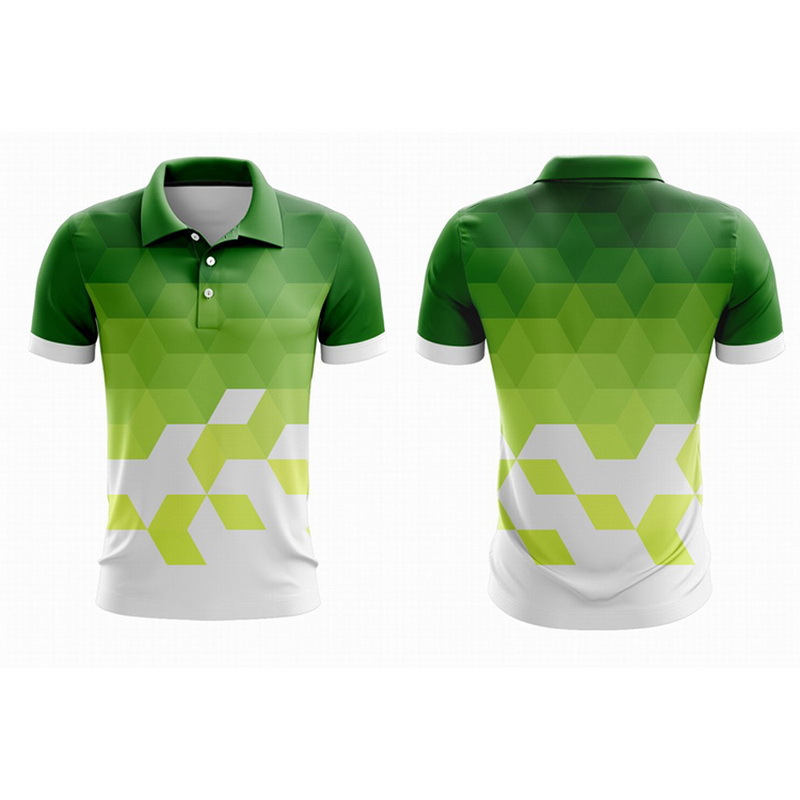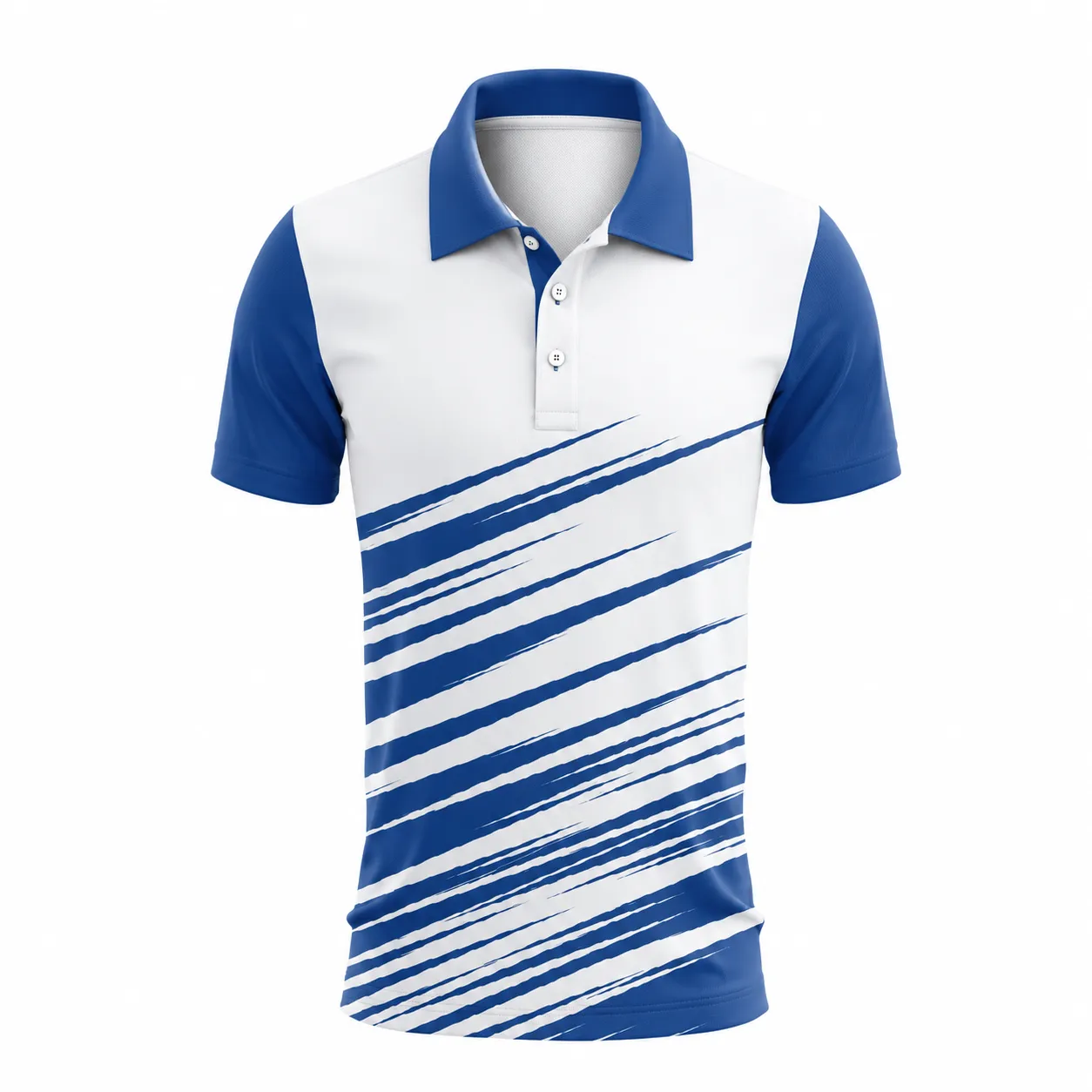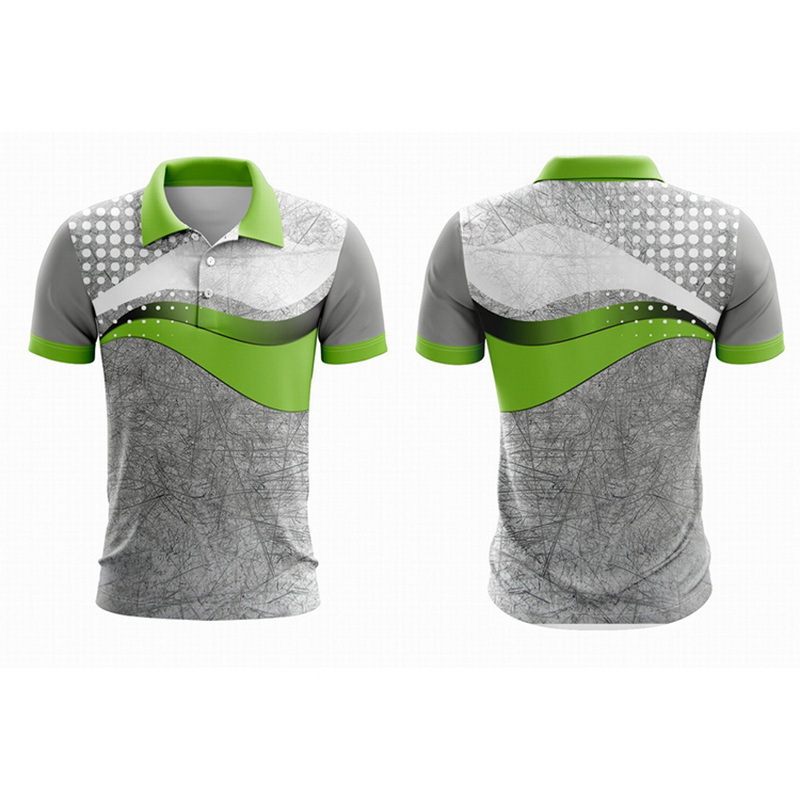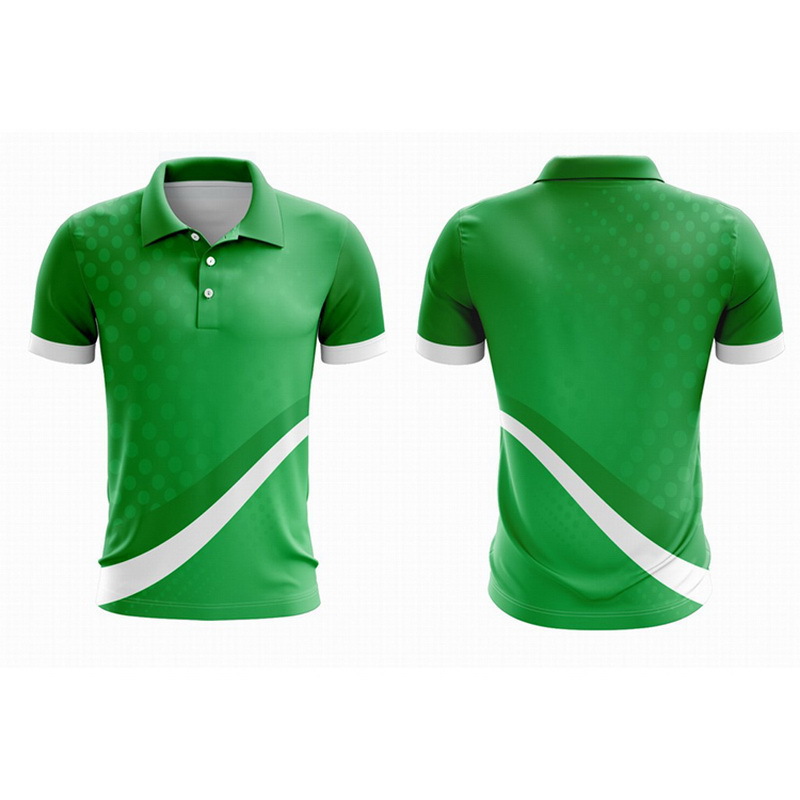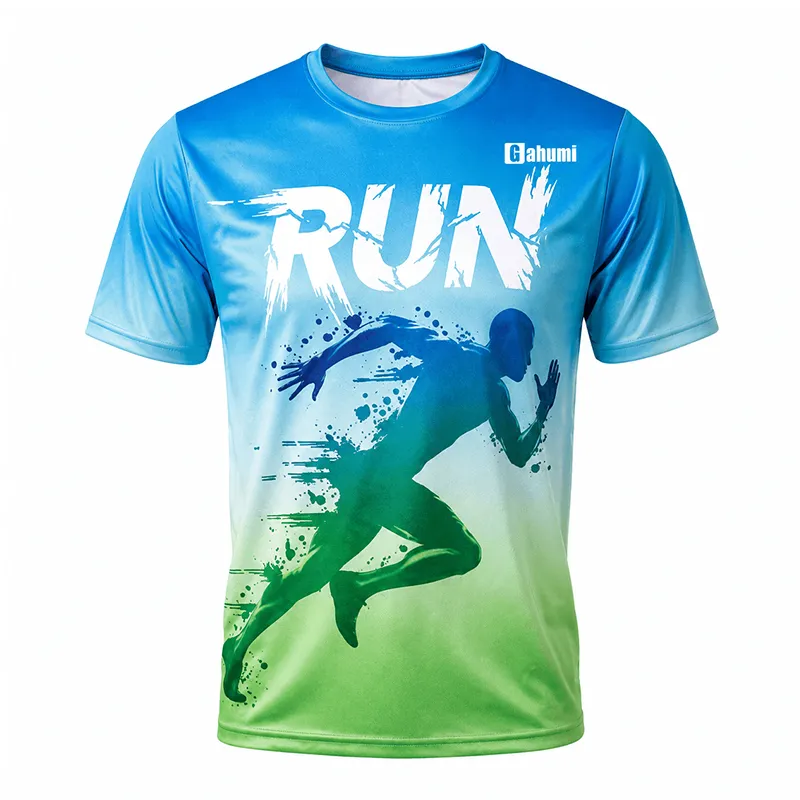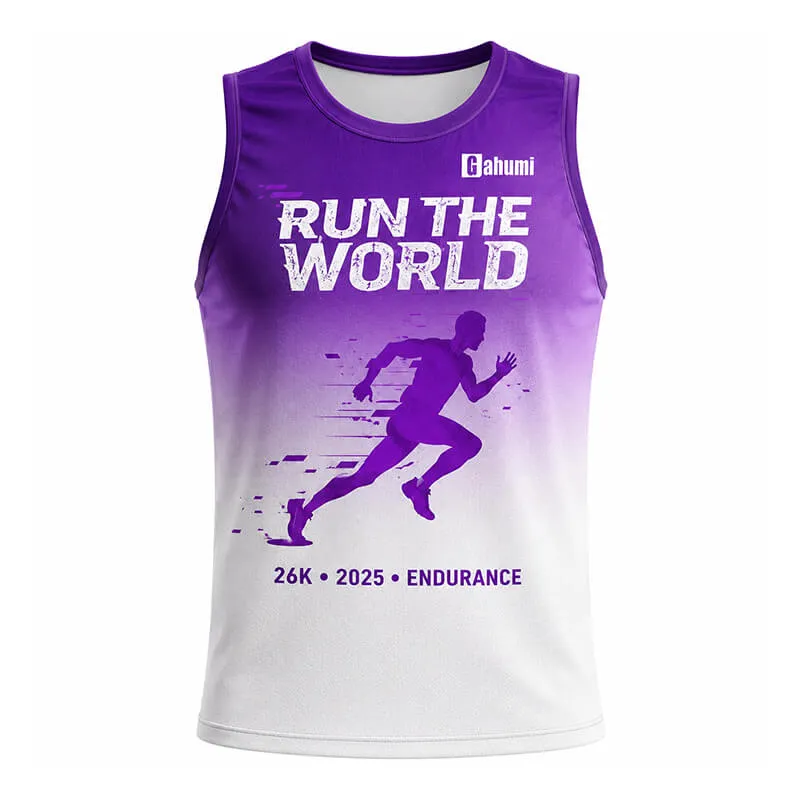
 Tshirt
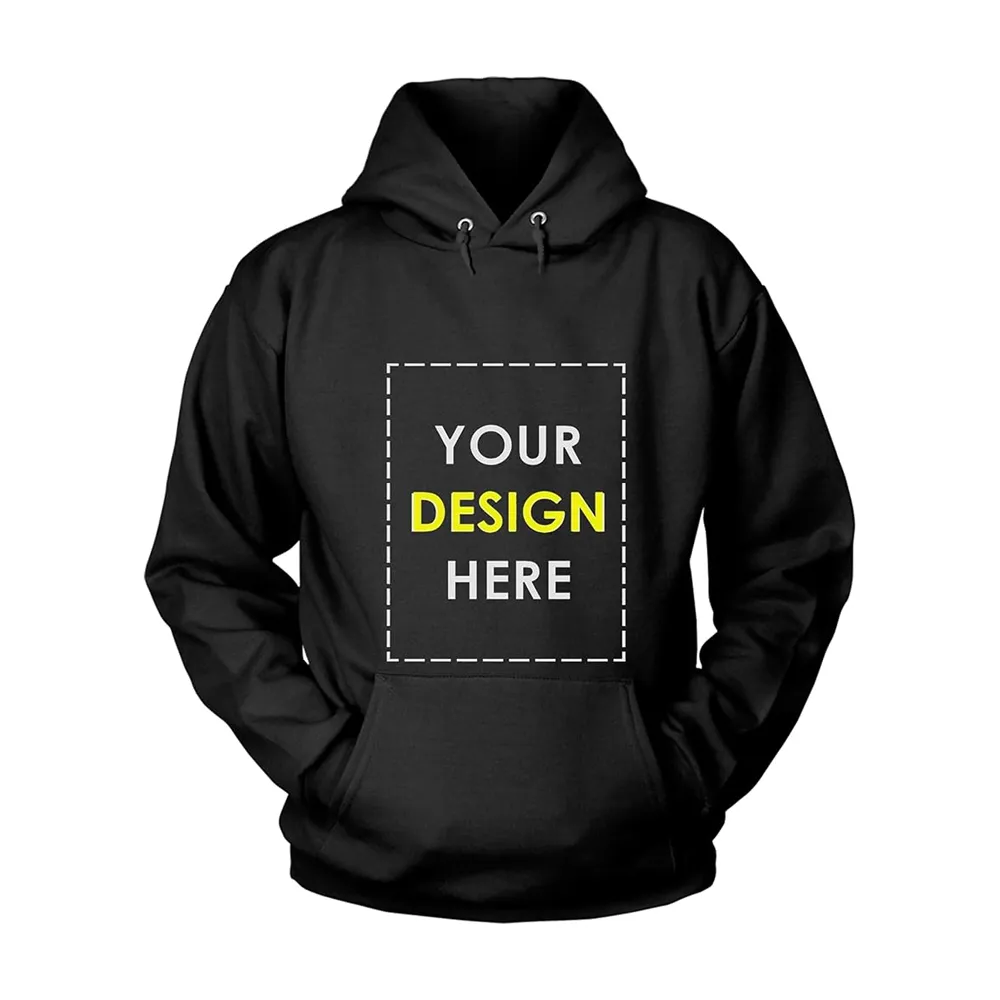 Custom Hoodie & Sweat
 Custom Bags
 Flag
Flag
 Towel
Towel
 Custom Scarf
 Cap
Cap

.webp)
.webp)
.webp)
In the competitive landscape of textile manufacturing, brands are increasingly prioritizing strategic partnerships with OEM providers that offer end-to-end control over the production process. This article explores how vertical integration in textile manufacturing—notably through fabric innovation, supply chain optimization, and scalable production—empowers brands to achieve cost efficiency, quality consistency, and rapid market responsiveness. As a leading OEM/ODM manufacturer with over 3 decades of expertise, Gahumi demonstrates how vertical integration serves as a cornerstone for delivering tailored solutions to global brands, from fabric printing and apparel to promotional merchandise, from T-Shirt customization to Canvas bag customization. By examining the strategic advantages of this approach, we aim to guide brands in selecting partners that align with their growth objectives and operational needs.
The Strategic Advantage of Vertical Integration in Textile Manufacturing: Why Gahumi Leads in Delivering Custom Solutions for Global Brands
In an era of shifting consumer demands and supply chain volatility, textile manufacturers must adapt to survive. For brands seeking reliable OEM partners, the choice of a vertically integrated manufacturer has become a game-changer. Vertical integration—the practice of controlling multiple stages of the production process, from raw materials to final distribution—offers brands unprecedented control, flexibility, and cost savings. This article delves into how Gahumi, a Guangdong-based leader in textile manufacturing since 1994, leverages vertical integration to empower brands in industries ranging from sports and events to retail and political campaigns.
What is Vertical Integration in Textile Manufacturing?
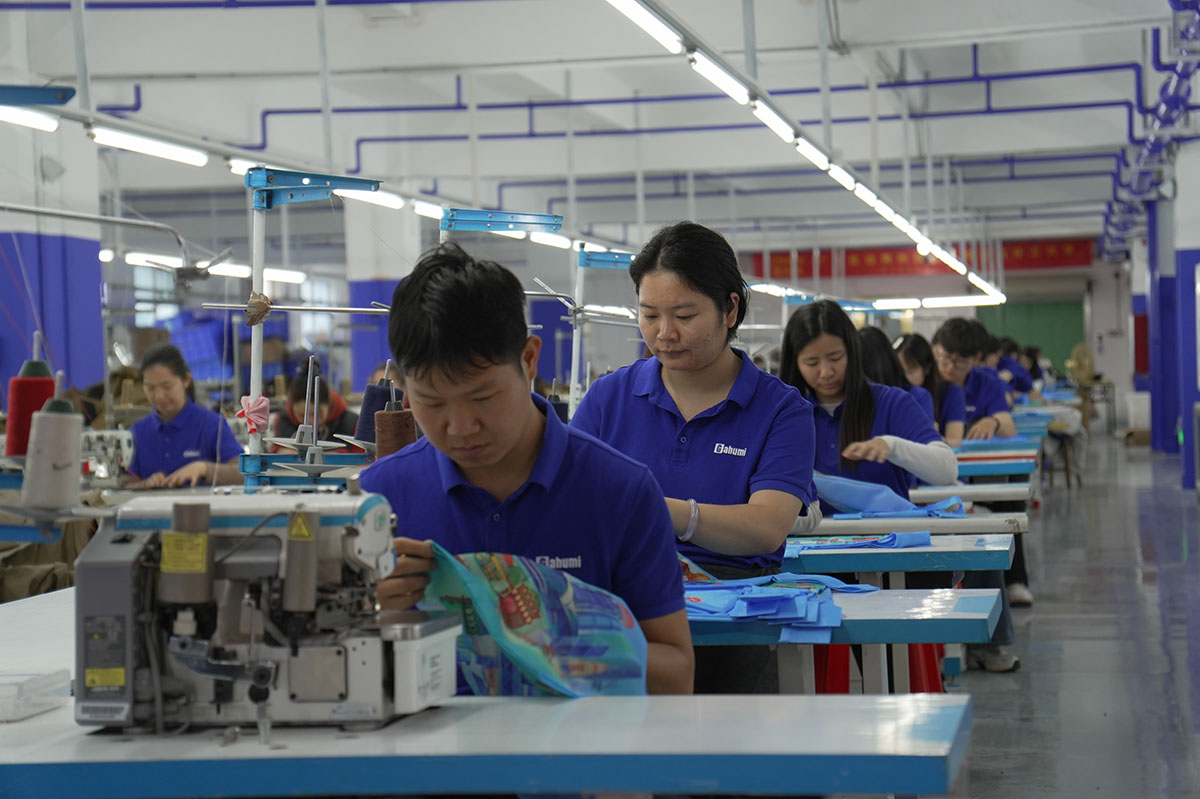
Vertical integration in textile manufacturing refers to a company’s ownership or control over key stages of the supply chain, including raw material sourcing, fabric production, printing, garment assembly, and logistics. Unlike fragmented supply chains reliant on third-party vendors, vertically integrated manufacturers like Gahumi streamline operations, reducing delays, minimizing costs, and ensuring consistency across every step.
For brands, this translates to:
- Cost Efficiency: Eliminating markups from intermediaries.
- Quality Assurance: Stringent quality control at every stage.
- Speed to Market: Faster turnaround times for prototypes and bulk orders.
- Customization Flexibility: Tailored solutions for unique design requirements.
The Strategic Benefits of Vertical Integration for Brands
End-to-End Quality Control
Quality is non-negotiable for brands. Vertically integrated manufacturers like Gahumi maintain strict quality standards across all production phases. For example:
- Fabric Innovation: Gahumi’s in-house R&D team develops proprietary fabrics, including eco-friendly blends and moisture-wicking materials, ensuring durability and performance.
- Printing Precision: Advanced digital and screen-printing technologies guarantee vibrant, long-lasting designs for products like advertising T-shirts and flags.
- Final Inspection: Every item undergoes rigorous testing for colorfastness, stitching, and fit before shipping.
By avoiding reliance on external suppliers, brands mitigate risks of inconsistent quality or delays.
Competitive Cost Advantages
Vertical integration allows manufacturers to absorb costs at each stage, passing savings to clients. Gahumi’s three-decade expertise in textile printing and apparel production enables economies of scale, reducing per-unit costs for bulk orders. For instance, producing canvas bags or golf towels in-house eliminates outsourcing fees, making large-scale projects more affordable.
Rapid Prototyping and Scalability
In industries where trends evolve rapidly (e.g., sports events, elections), agility is critical. Vertically integrated manufacturers can accelerate product development:
- Prototyping: Gahumi’s in-house design team creates samples within days, allowing brands to iterate quickly.
- Scalability: From small batches of election accessories to stadium-sized orders of fan scarves, integrated production lines adapt seamlessly to demand fluctuations.
Sustainable Practices
Modern brands prioritize sustainability. Vertical integration enables Gahumi to implement eco-friendly processes, such as water recycling in printing and ethically sourced cotton, aligning with global ESG goals.
Risk Mitigation in Volatile Markets
Supply chain disruptions—like material shortages or labor disputes—are minimized when a manufacturer controls its own operations. Gahumi’s vertically integrated model ensures continuity, even during crises like the COVID-19 pandemic.
Why Gahumi Stands Out as a Vertically Integrated Partner
Gahumi’s success stems from its 30+ years of vertical integration expertise:
- Comprehensive Product Range: From fabric printing and T-shirts to hats and sports accessories, Gahumi offers 一站式解决方案 (one-stop solutions).
- Global Reach: Exporting to over 50 countries, the company caters to diverse markets while maintaining localized quality standards.
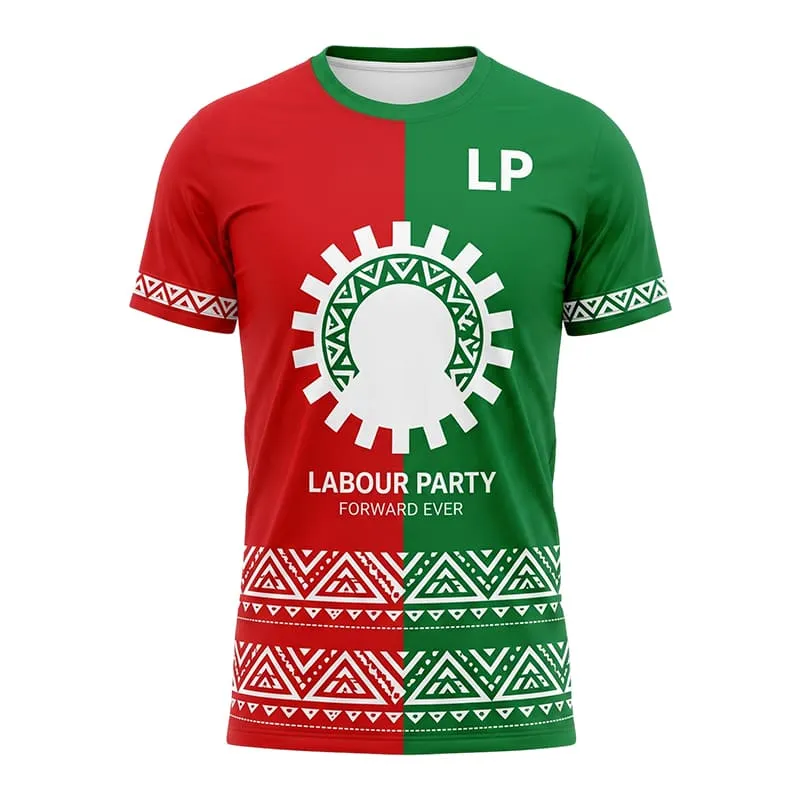
- Client-Centric Approach: Customization is at the core of Gahumi’s services, whether designing advertising T-shirts for a global brand or election paraphernalia for a political campaign.
By combining cutting-edge technology with craftsmanship, Gahumi delivers products that meet—and exceed—client expectations.
Choosing the Right Partner: Key Considerations for Brands
When selecting an OEM/ODM partner, brands should prioritize:
- Vertical Integration Capabilities: Ensure the manufacturer controls critical supply chain stages.
- Track Record: Look for a proven history of delivering high-quality, on-time orders.
- Customization Flexibility: The ability to adapt to unique design or material requirements.
- Sustainability Commitment: Alignment with ethical and environmental standards.
Gahumi ticks all these boxes, positioning itself as a strategic ally for brands aiming to thrive in competitive markets.
Vertical integration is no longer a luxury but a necessity for textile manufacturers and brands alike. By partnering with a vertically integrated leader like Gahumi, brands gain a competitive edge through cost efficiency, quality assurance, and operational agility. As consumer demands continue to evolve, Gahumi remains committed to empowering businesses with innovative, tailor-made solutions that drive growth and success.



.png)