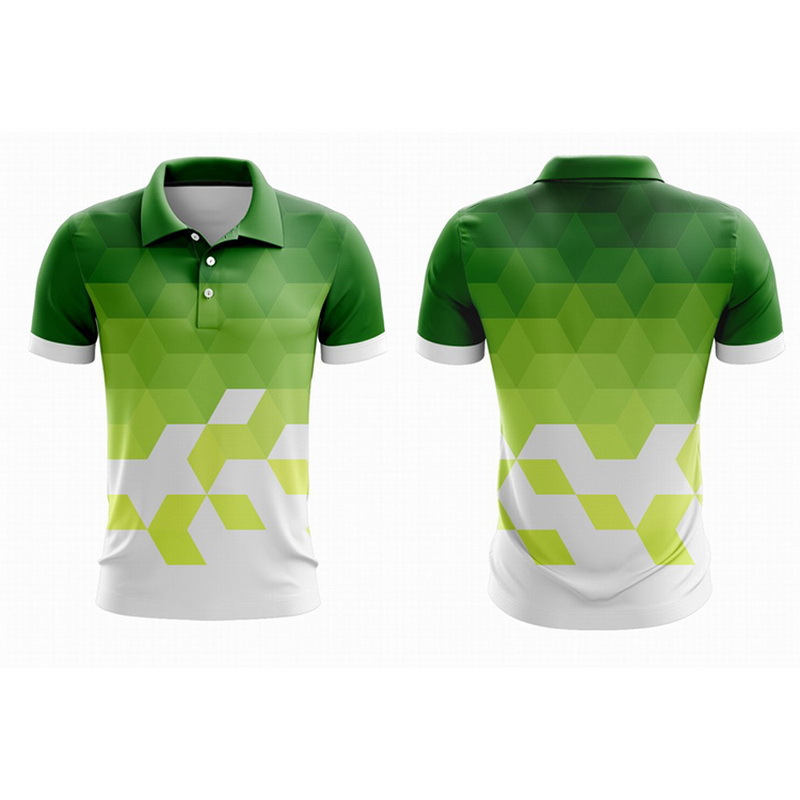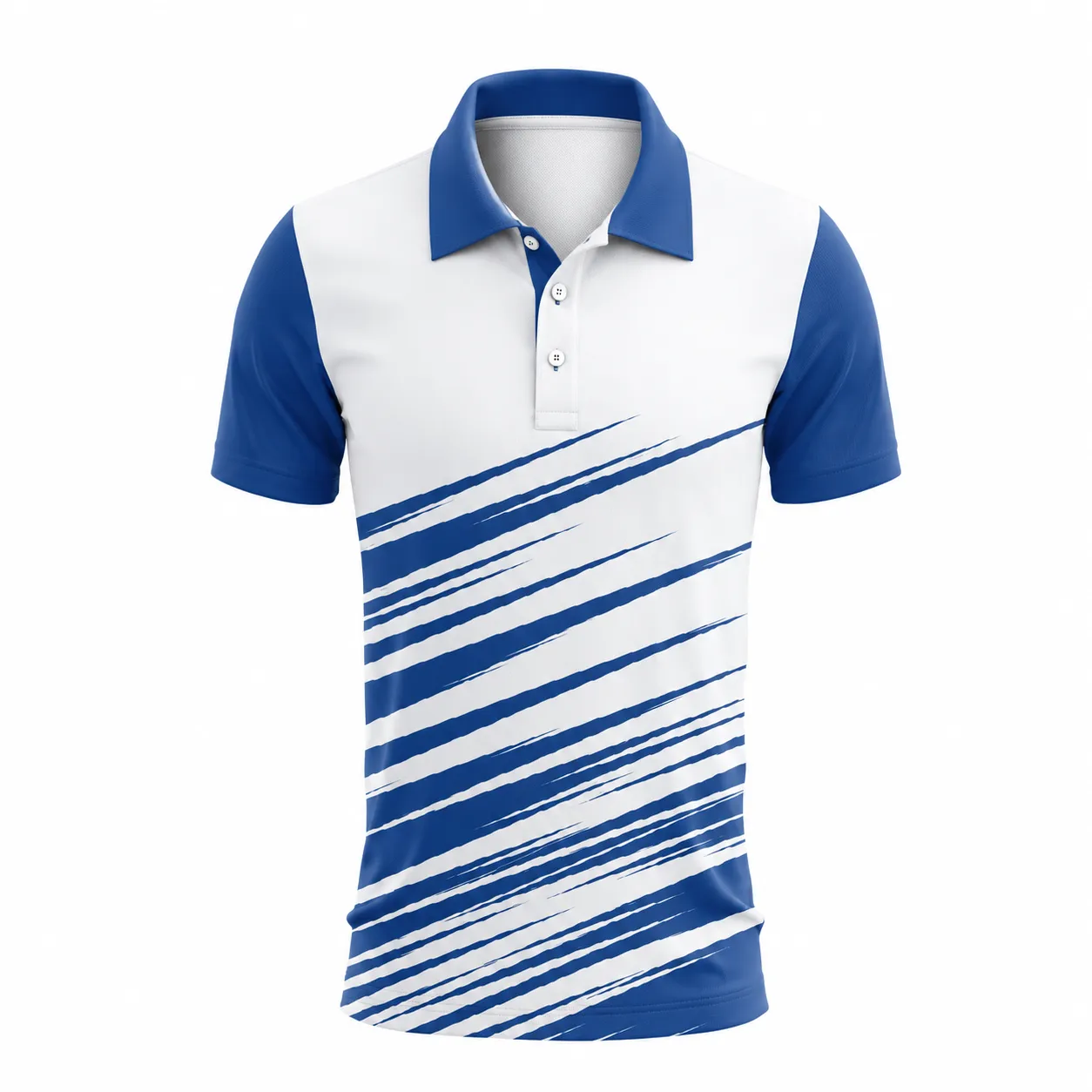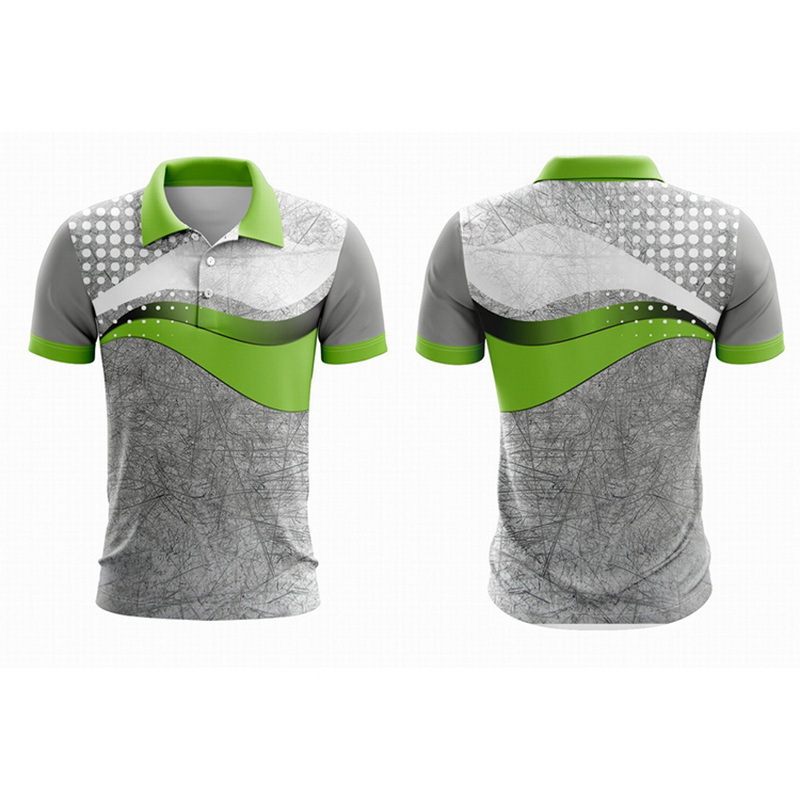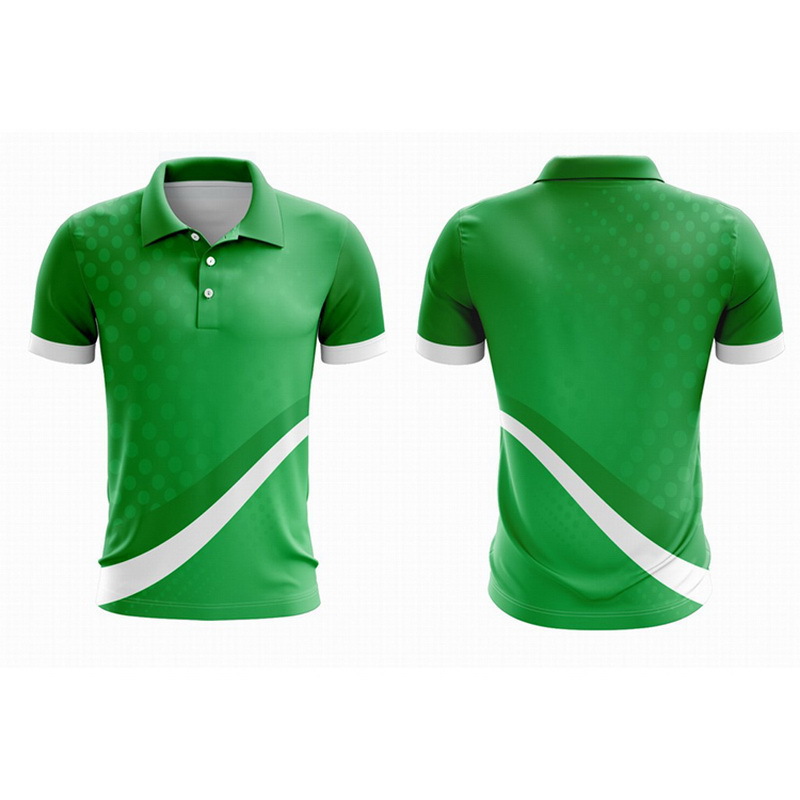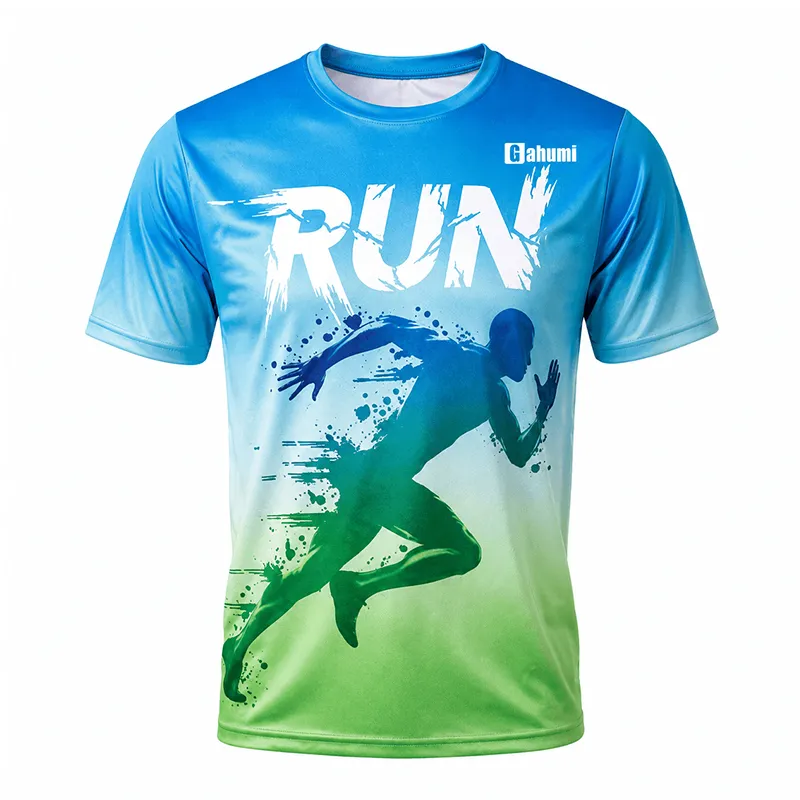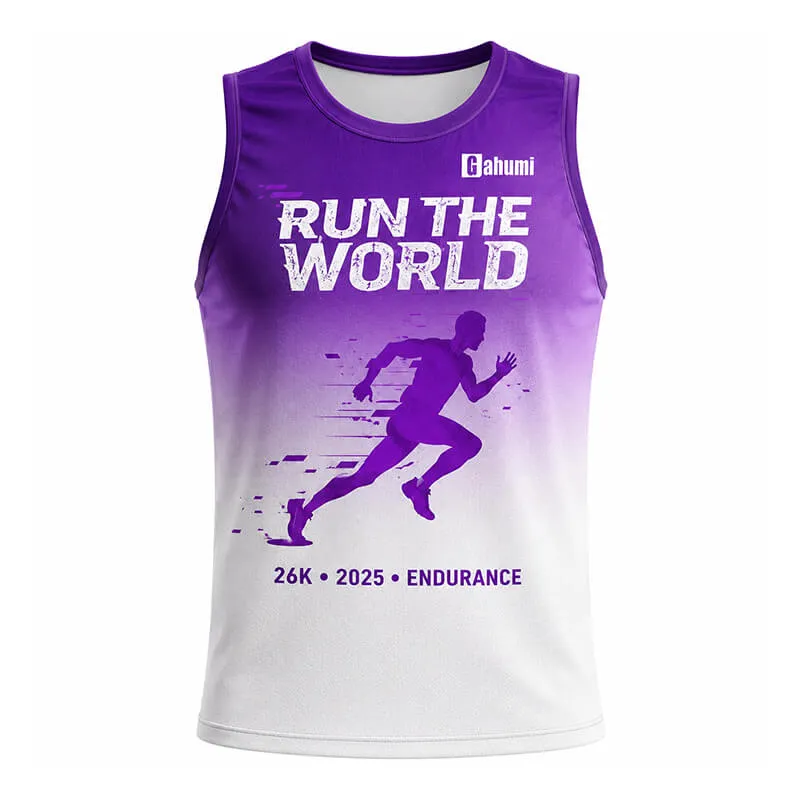
 Tshirt
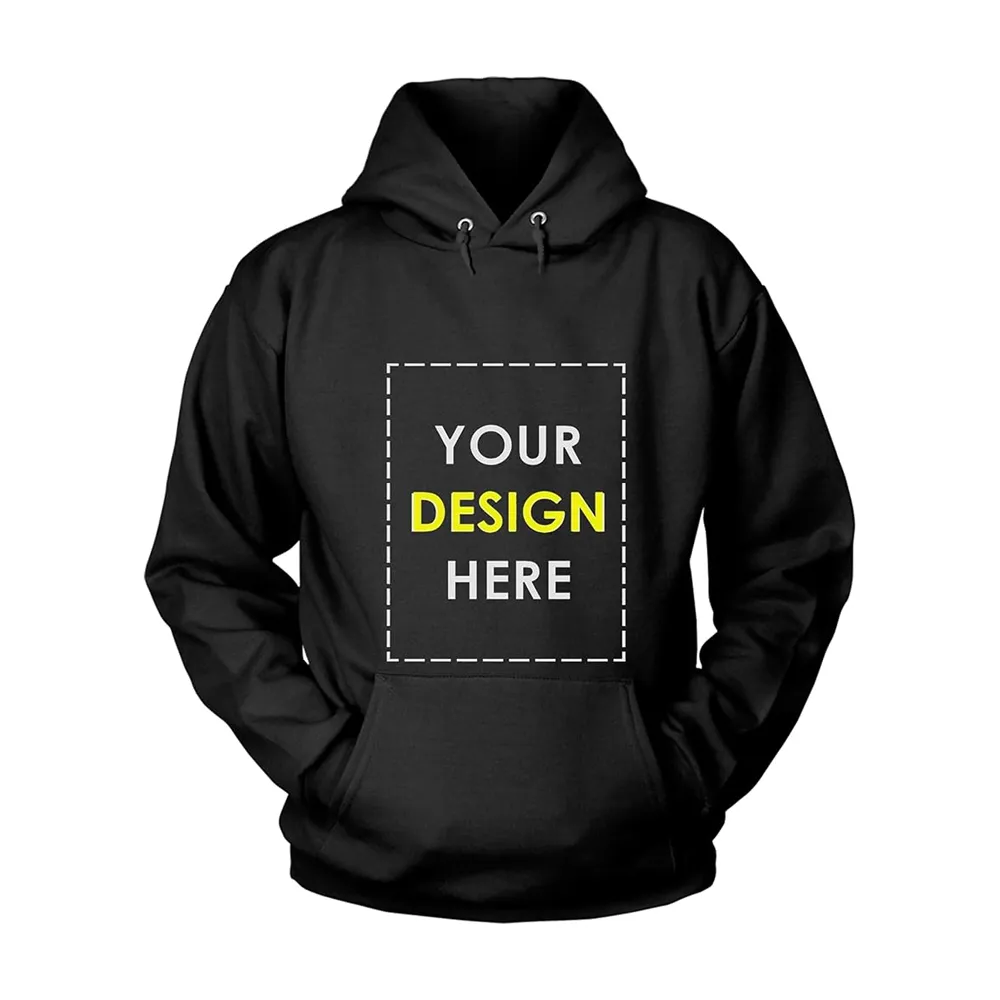 Custom Hoodie & Sweat
 Custom Bags
 Flag
Flag
 Towel
Towel
 Custom Scarf
 Cap
Cap

.webp)
.webp)
.webp)
When customers use a custom canvas bag with your brand logo as their daily commuter bag, when a coffee chain’s custom cup sleeve is repurposed as a phone stand, or when a luxury brand’s custom gift box becomes a vanity organizer—these “reused” packages have long transcended their role as “containers” to become a medium for long-term dialogue between brands and consumers. For B2B brands seeking growth, the true value of custom packaging lies not in the stunning of a single delivery, but in the sustained exposure and emotional connection generated through repeated use.
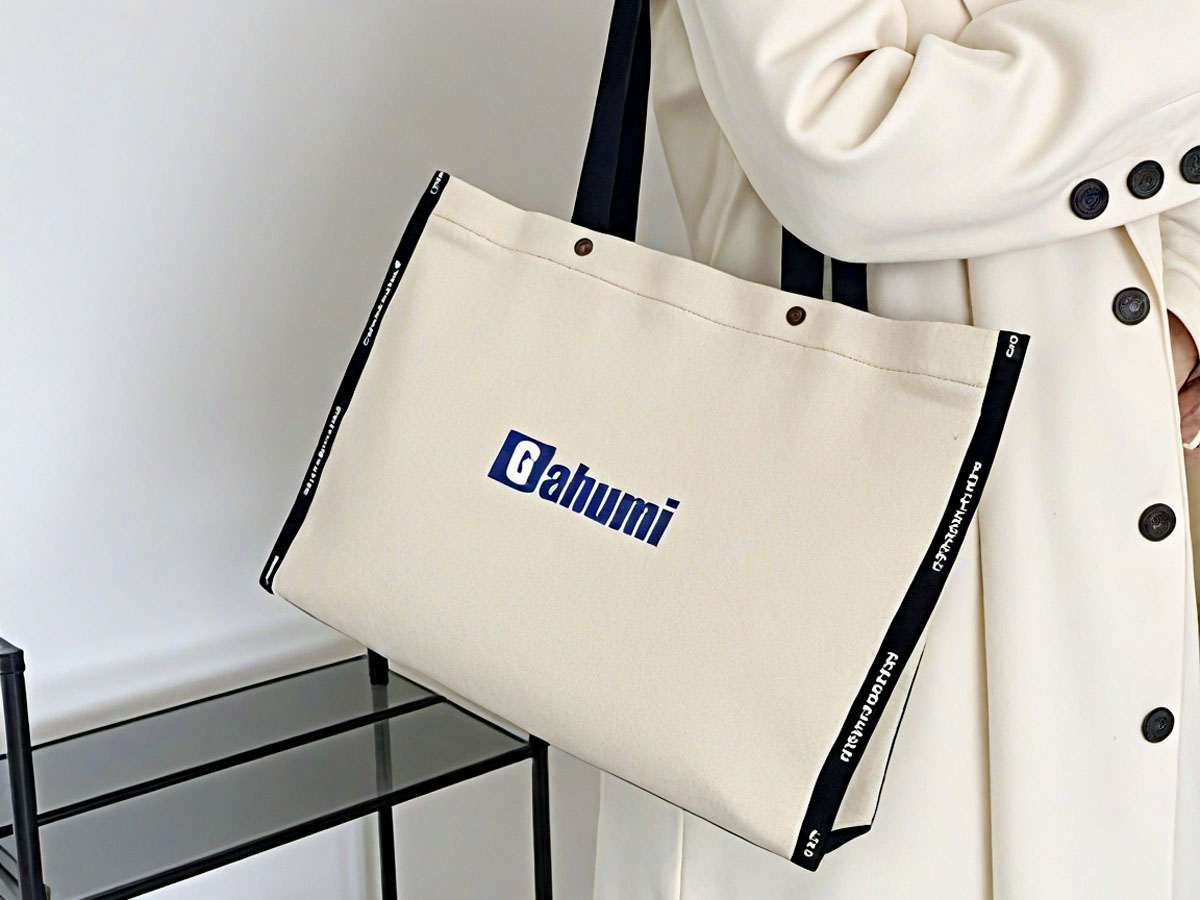
With 31 years of experience in textile customization, Gahumi has created reusable custom tote bags, branded scarves, and other packaging and peripheral products for global clients, deeply understanding that: every secondary use of packaging is a free "mobile advertisement" for the brand. Below is an analysis of how to transform custom packaging from a "one-time cost" into a "long-term investment" through design and strategy.
1. The Underestimated "Packaging Lifecycle": Value Transition from Delivery to Reuse
Most brands classify packaging costs as "marketing expenses" but overlook the hidden value of their "reuse phase." Studies show: a custom canvas bag reused 5 times can generate brand exposure equivalent to 3 social media ads; a custom gift box repurposed as storage is seen by an average of 7 people around the user—all zero-cost brand communication.
Three Value Dimensions of Reusable Packaging:
• Extended Exposure: A U.S. outdoor brand’s custom drawstring bags, made of durable nylon, are used by 65% of customers to carry gym gear, exposing the brand logo in gyms and locker rooms with over 200 annual impressions per bag.
• Emotional Precipitation: A European bookstore’s custom printed paper bags, featuring classic literary quotes, are kept as bookshelf decor by 38% of customers. This "reluctance to discard" translates to an 8% increase in repurchase rates.
• Eco-Friendly Endorsement: When customers actively share "secondary use tips" for a coffee chain’s custom non-woven cup sleeves, the brand’s eco-image is naturally established. Gahumi’s degradable, foldable cup sleeves for an African coffee brand became a "sustainability topic" on local social media.
Gahumi’s design team calculates “reuse potential” during project establishment —for example, custom folding shopping bags for supermarkets must not only carry 10kg but fold to ≤10cm for easy portability, boosting reuse rates.
2. Scene-Specific Design: Giving Different Custom Packages a "Second Mission"
Reuse scenarios vary significantly across packaging categories. Brands must design "naturally reusable" products based on target customers’ lifestyles—a core strength of Gahumi’s OEM services.
1. Retail Shopping Bags: From "Carrying Goods" to "Daily Accessories"
Ordinary plastic bags end up in landfills, but well-designed custom tote bags become customers’ "everyday items."
• Material Selection: 120g+ canvas or cotton-linen blends, ensuring ≥8kg load capacity and machine washability. Gahumi’s water-resistant tote bags for a Middle Eastern fashion chain increased reuse rates by 40% due to all-weather usability.
• Functional Additions: Side pockets for phones, inner zippered pouches for keys, and even "fits 13-inch laptops" printed on the bag to emphasize practicality. A tech brand’s custom bags became commuter favorites.
• Aesthetic Design: Avoid overly flashy patterns; use brand colors + minimalist logos to match diverse outfits. A European beauty brand’s off-white canvas bags, praised for “versatility,” became frequent social media posts, with one Xiaohongshu note driving 300+ new customers.
2. Gift Boxes: From "Unboxing" to "Home Storage"
Luxury or premium gift packaging should "double as decor" after unboxing.
• Structural Optimization: Magnetic closures replace tape; 2mm thick cardboard ensures durability through repeated use. Gahumi’s custom jewelry boxes for a jewelry brand, with velvet dividers, are directly used by customers to store necklaces and earrings.
• Scene Adaptation: Sizes align with common storage needs—e.g., 20×15cm boxes fit cosmetic samples or office paperclips. A stationery brand’s custom boxes are widely used as "desk organizers."
• Detail Value: Print brand stories or care tips inside lids to enhance retention. A fragrance brand’s boxes, featuring "essential oil blending formulas" inside, have a 60% usage rate.
3. Food & Beverage Packaging: From "Carrying Food" to "Daily Gadgets"
Coffee sleeves, takeout bags, etc., can become useful tools with ingenuity.
• Cup sleeve extension: Custom coffee sleeves are made from canvas, featuring tear-off calendars or mini recipes, which customers can use on their daily coffee cups. A coffee chain's "Quote of the Day" sleeves saw a 25% increase in social media share.
• Takeout Bag Upgrade: Foldable custom insulated bags unfold into lunch mats, with brand slogans facing up as "office ads."
4. E-Commerce Boxes: From "Shipping" to "Creative Upcycling"
E-commerce packaging can extend its lifecycle through "transformability."
• Modular Design: Pre-scored lines with instructions like "cut here to make a bookshelf" or "fold into a cat bed." A pet supply store’s custom shipping boxes, with cat scratch sticker additions, have a 45% transformation rate.
• Interactive Elements: Coloring patterns or puzzles on surfaces attract family customers. A baby product brand’s boxes became "craft materials" for parents and children, with related social topics gaining 500,000+ views.
• Material Compatibility: Food-grade cardboard ensures post-upcycling food contact safety. A snack brand’s boxes are thus used for storing dry goods, keeping logos visible.
3. Three Strategies to Drive Reuse: Making Customers "Reluctant to Throw Away"
Even high-quality packaging can be left unused without guidance. A combination of design cues and marketing incentives is needed to lower the barrier to reuse.
1. Designs with Built-In "Reuse Instructions"
Packaging itself should "tell" customers how to reuse it, no extra publicity needed:
• Icon Guidance: Simple illustrations show "use as planter" or "transform into storage," breaking language barriers. Gahumi uses globally recognized icons for multinational brands.
• Structural Hints: Sew hanging loops inside shopping bags (hinting "hang as wall storage") or waterproof box bottoms (hinting "use in bathrooms").
• Material Labels: Clearly state "machine washable" or "heat-resistant to 100℃" to eliminate usage concerns. An outdoor brand’s custom duffel bags saw 18% higher reuse rates after marking "washable."
2. Marketing Campaigns Encouraging "Reuse Shares"
Social interaction turns packaging reuse into brand issue:
• Challenge Initiatives: e.g., "My XX bag’s 100th use" with photo rewards. A clothing brand collected 500+ user-generated contents, gaining 100,000+ free impressions.
• User Co-Creation: Invite customers to share upcycling ideas; top designs go into mass production. Gahumi helped a home brand launch a "gift box to pet house" design, triggering secondary exposure.
• Charity Links: Donate $1 for every 10 returned packages, plus new packaging discounts. Boosts recycling rates while strengthen brand responsibility.
3. Loyalty Programs Tied to "Reuse Behavior"
Link packaging reuse to member benefits for positive cycling:
• Point Rewards: Customers upload reuse photos to earn 50 points, redeemable for custom gifts. A supermarket’s custom jute bags saw 50% higher reuse rates.
• Tier Privileges: Members reusing packaging 10+ times upgrade to "Eco Ambassadors" with exclusive discounts. A European beauty brand increased member retention by 12%.
• Personalized Customization: Offer "name embroidery" for frequent reusers—e.g., monogrammed custom canvas totes to Enhance a sense of belonging.
4. Gahumi’s Reusable Packaging Solutions: From Design to Delivery
As a custom packaging manufacturer with 3 production bases, Gahumi ensures "reuse potential" throughout the process:
• Material Library: 100+ reusable fabrics from durable canvas to waterproof nylon, recommended by scenario—e.g., food-grade cardboard for catering packaging, FSC-certified hard paper for storage boxes.
• Quality Assurance: Reinforced stitching (≤1cm stitch spacing) for bag durability, eco-inks (≥ level 7 lightfastness) to prevent logo fading after washes.
• Cost Balance: "Base design + replaceable parts" reduce costs—e.g., unchanged gift box bodies with annual sticker updates for freshness without waste.
A U.S. bookstore chain’s custom book bags (16oz canvas + reinforced handles) by Gahumi, designed to "unfold as seat cushions," achieved 70% reuse rates and 40% lower brand exposure costs.
Conclusion: Making Packaging a "Walking Brand Asset"
When custom packaging evolves from "disposable consumables" to "reusable tools," it transforms brand budgets from "one-way spending" to "two-way interaction"—customers deepen brand 认知 through repeated use, while brands gain free exposure.
About Gahumi
Founded in 1994, Gahumi is a comprehensive fabric printing enterprise integrating product R&D, design, production, and sales. It provides a full range of fabric printing and assembly products, including hats, flags, T-shirts, umbrellas, towels, etc.
With 31 years of production experience, Gahumi's products have been exported to regions such as Africa (including Ghana), the United States, Europe, and the Middle East, and it is familiar with the multi-category customization needs of large-scale official activities. The company has more than 300 professional employees and 3 production bases with a total area of 5,000 square meters (including a raw material center, a fully automatic printing center, a sewing center, and an assembly center). It can flexibly allocate multi-line production resources and provide OEM/ODM services to efficiently meet the needs of million-level multi-category orders.
Gahumi's 31 years of experience demonstrates that a custom tote bag used 10 times has an eightfold return on investment compared to a plastic bag; and a custom gift box, used for storage, can provide six months of invisible communication. For brands pursuing long-term value, investing in reusable custom packaging isn't just a cost increase; it's the most cost-effective way to save money.


.png)