 Tshirt
 Custom Hoodie & Sweat
 Custom Bags
 Flag
Flag
 Towel
Towel
 Custom Scarf
 Cap
Cap

.webp)
.webp)
.webp)
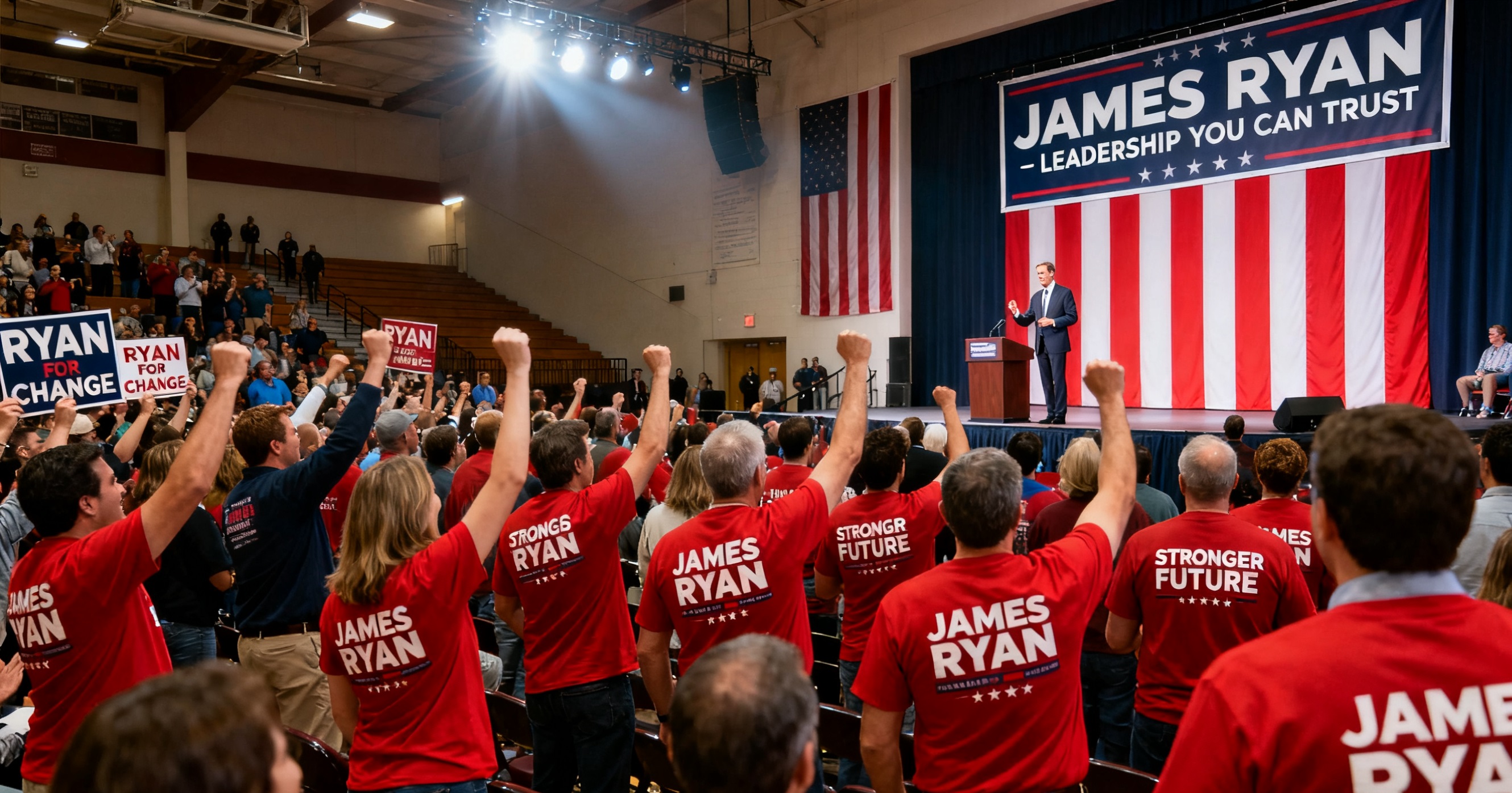
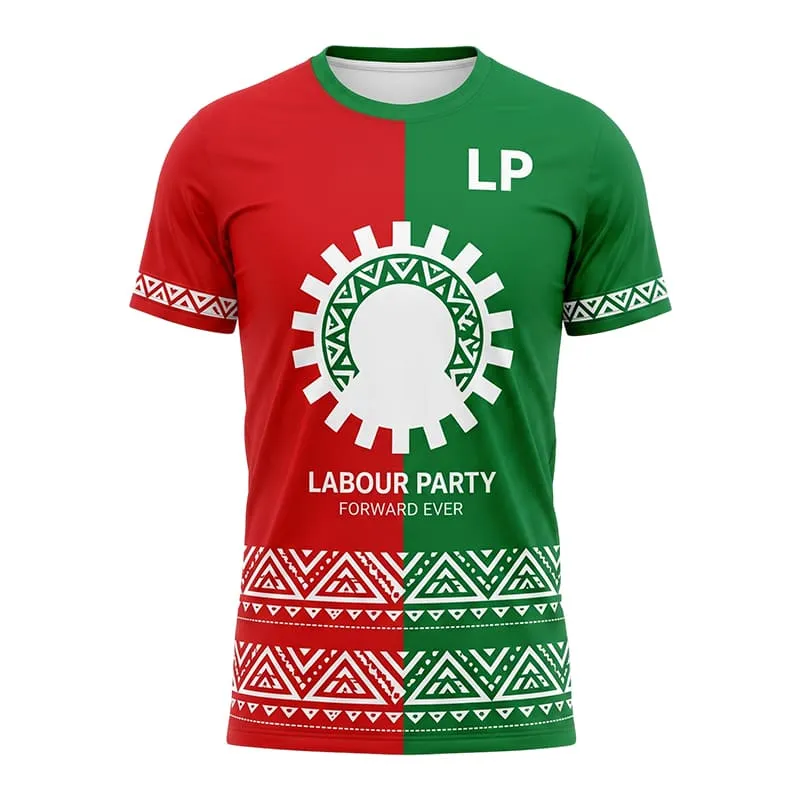
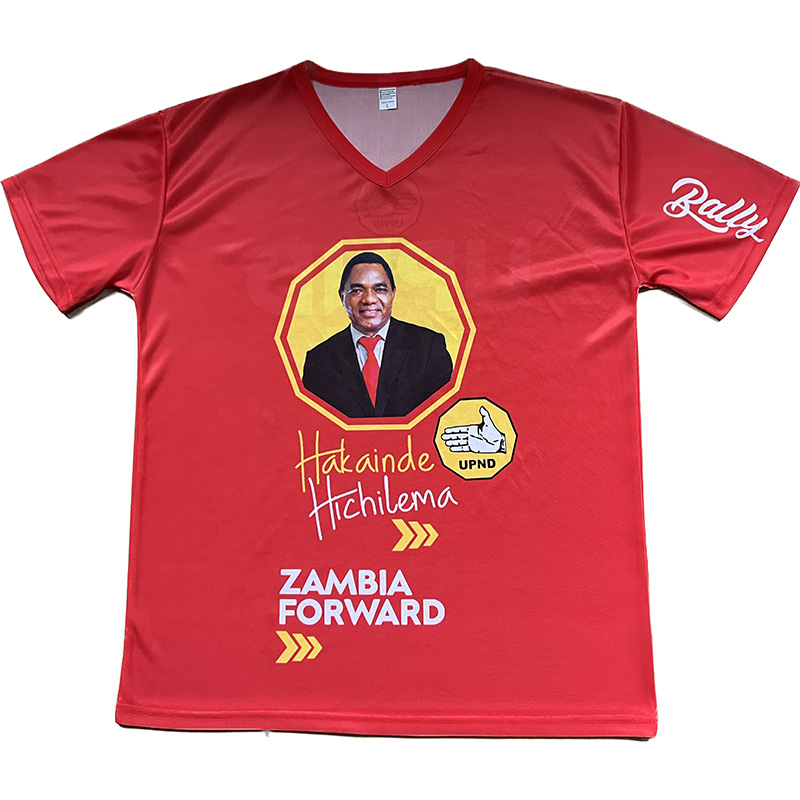
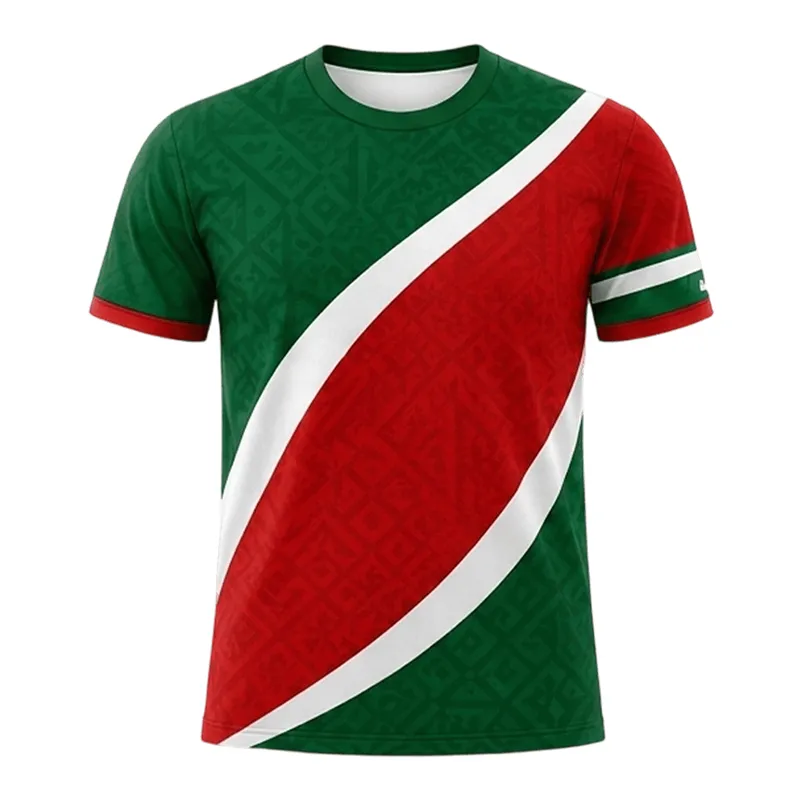
In the chaos of political campaigns—where digital ads flood social feeds, rallies draw crowds, and debates dominate headlines—one simple tool stands out for its enduring impact: the political t-shirt. More than just a piece of clothing, it’s a wearable symbol of support, a conversation starter, and a low-cost way to turn voters into grassroots ambassadors. From local city council races to national elections, political t-shirts have proven to be a strategic asset, helping candidates build visibility, foster loyalty, and cut through the noise. Below’s why they matter, and how they drive tangible results for campaigns of all sizes.
1. Political T-Shirts Are Walking Campaign Billboards
The most obvious—and powerful—benefit of political t-shirts is their ability to turn supporters into mobile advertisers. Unlike a TV ad that airs once or a social media post that disappears in a feed, a t-shirt is worn repeatedly in public: at grocery stores, parks, commuter trains, and community events. Every time a supporter wears your branded t-shirt, they expose your campaign to dozens of potential voters—many of whom may not have heard of you otherwise.
Consider this: A local congressional candidate in Ohio distributed 500 “Vote Lopez” t-shirts to volunteers ahead of early voting. Within a month, campaign staff tracked sightings of the t-shirts in 12 different neighborhoods, and 15% of undecided voters surveyed said they “first learned about the candidate from someone wearing the shirt.” For campaigns with limited budgets, this kind of passive exposure is invaluable—it’s free marketing that works 24/7, no ad spend required.
Political t-shirts also have staying power. A well-made cotton t-shirt can last for years, meaning your campaign’s message continues to circulate long after Election Day. A supporter who wears your t-shirt to a family barbecue in 2025 may spark a conversation about your policies in 2026—laying the groundwork for future runs or issue advocacy.
2. They Build Emotional Connection
Politics is as much about emotion as it is about policy. Voters support candidates they feel connected to—those who share their values, understand their struggles, and feel like “one of them.” Political t-shirts bridge that gap by turning abstract support into a tangible, personal statement. When a voter puts on your t-shirt, they’re not just saying “I agree with this candidate”—they’re saying “This candidate represents me.”
This emotional bond is critical for building trust. A 2024 study by the Political Marketing Institute found that voters are 38% more likely to trust a candidate if they see “everyday people” (not just paid staff) wearing the candidate’s gear. For example, a gubernatorial candidate in Michigan focused on working-class issues distributed t-shirts with the slogan “Fight for Workers” printed alongside their name. Factory workers wore the shirts to shifts, and undecided voters reported that seeing “people like me” in the t-shirts made them more likely to research the candidate’s policies.
Political t-shirts also simplify complex messages. A crowded campaign poster with bullet points on healthcare or taxes can be overwhelming, but a t-shirt with a concise slogan—“Pro-Education, Pro-Families” or “Change We Can See”—is easy to read and remember. It distills your campaign’s core values into a wearable phrase, making it easier for voters to grasp (and share) your vision.
3. They Fuel Grassroots Engagement
Grassroots support is the lifeblood of any political campaign—especially for underdog candidates or those challenging incumbents. Political t-shirts are a low-effort, high-reward way to mobilize volunteers and turn passive supporters into active advocates.
Volunteers love t-shirts: They’re a badge of pride that signals their commitment to the campaign. A mayoral candidate in Portland, Oregon, gave t-shirts to volunteers who knocked on 50+ doors, and saw a 25% increase in volunteer retention—volunteers wanted to earn the shirt, and then wear it to show off their hard work. The shirts also created a sense of community: When volunteers gathered for phone banks or parade marches, wearing matching t-shirts made them feel like part of a team, boosting morale and productivity.
T-shirts also encourage voter participation. A campaign in Arizona offered free “I Voted Early” t-shirts to voters who cast their ballots in the first week of early voting. Turnout in target neighborhoods increased by 18%, with many voters saying the shirt was a “fun incentive” to vote early. The shirts also sparked conversations: Voters wearing them were asked by friends and neighbors “Where did you get that?”—opening the door to discussions about why they supported the candidate.
4. They’re Cost-Effective (Even for Small Campaigns)
Political campaigns—especially local ones—often operate on tight budgets. TV ads, mailers, and rally venues can cost thousands of dollars, but political t-shirts offer a high return on investment (ROI) at a fraction of the price.
A basic cotton t-shirt with screen-printed graphics costs $3–$5 per unit when ordered in bulk (500+ units). Compare that to a single mailer, which costs $1–$2 per household but is often thrown away unread, or a digital ad that costs $0.50 per impression but is easily scrolled past. A t-shirt, by contrast, is kept and used, generating hundreds of impressions over its lifespan. For a campaign that spends $2,000 on 500 t-shirts, that’s just $4 per supporter—and each supporter may drive 10+ new voters to the campaign.
T-shirts also double as fundraising tools. Many campaigns sell branded t-shirts for $20–$30 each, with proceeds going to campaign funds. A Senate candidate in Colorado sold “Climate Action Now” t-shirts (aligned with their policy platform) and raised $15,000 in one month—enough to fund two additional rally events. Selling t-shirts not only raises money but also turns buyers into supporters: Someone who pays $25 for your t-shirt is more likely to volunteer, donate again, or vote for you than someone who just likes your social media posts.
5. They Stand Out in a Crowded Media Landscape
In 2025, voters are bombarded with political content: 24/7 news cycles, targeted ads, and endless social media posts. It’s easy for a candidate’s message to get lost in the noise—but a political t-shirt cuts through it by being physical, visible, and unignorable.
At rallies or community events, t-shirts help your supporters stand out. A campaign for a state legislature seat in Texas asked volunteers to wear bright blue “Vote Maria” t-shirts to a local farmers’ market. The shirts caught the eye of market-goers, and the candidate’s team reported that 40% of people who stopped at their booth said they “noticed the shirts first.” In a crowd of people, a sea of matching t-shirts also creates a visual “show of force”—signaling to undecided voters that the candidate has strong community support.
T-shirts also work offline, where many voters (especially older ones) spend most of their time. While young voters may see your digital ads, older voters are more likely to notice a neighbor wearing your t-shirt to church or a local diner. This cross-generational appeal makes t-shirts a versatile tool for reaching all segments of the electorate.
.png)