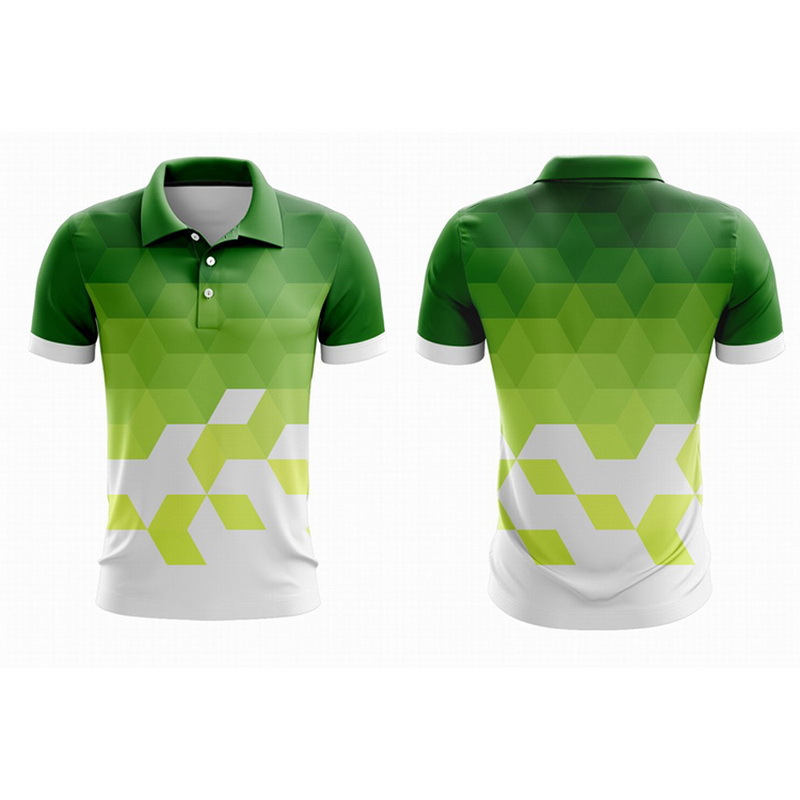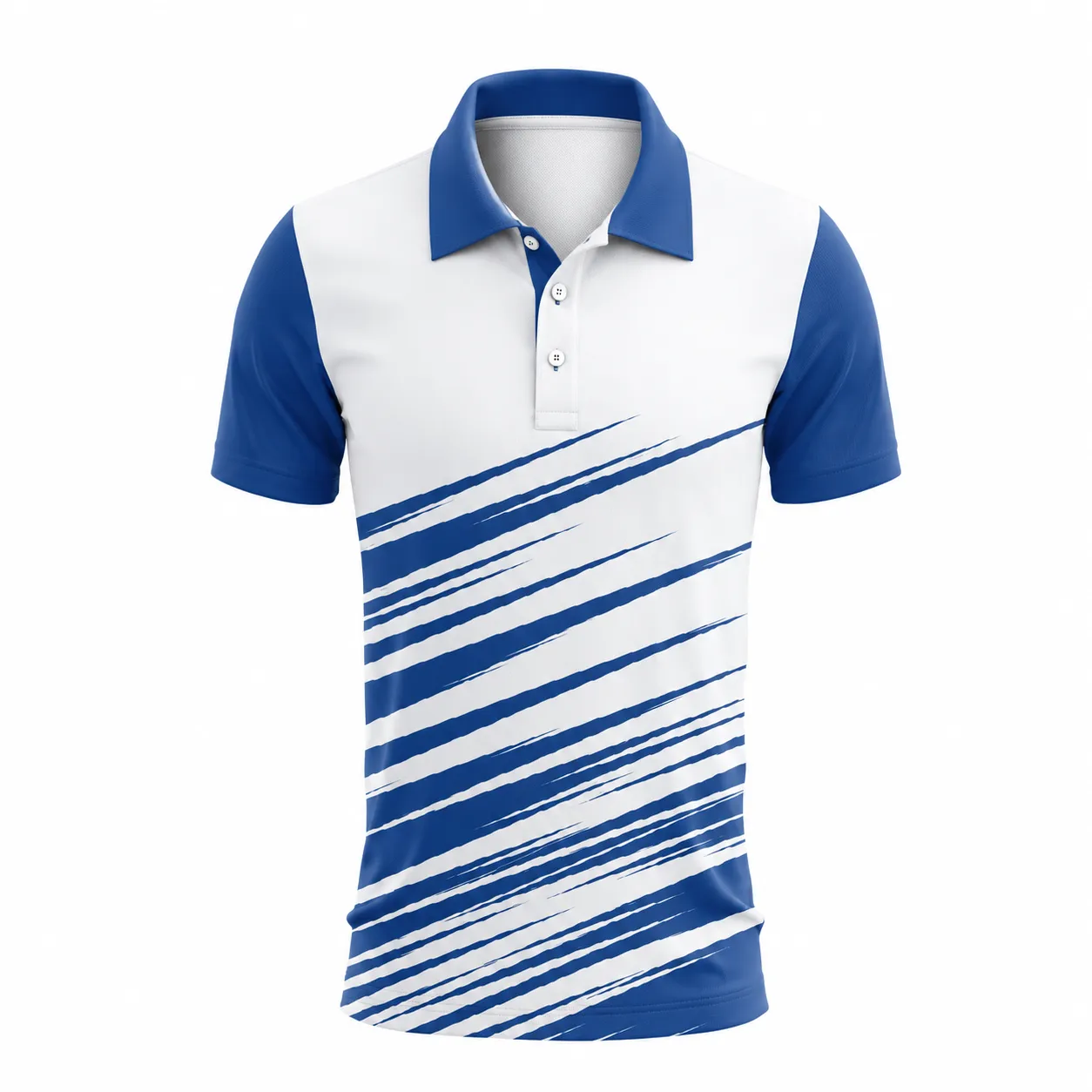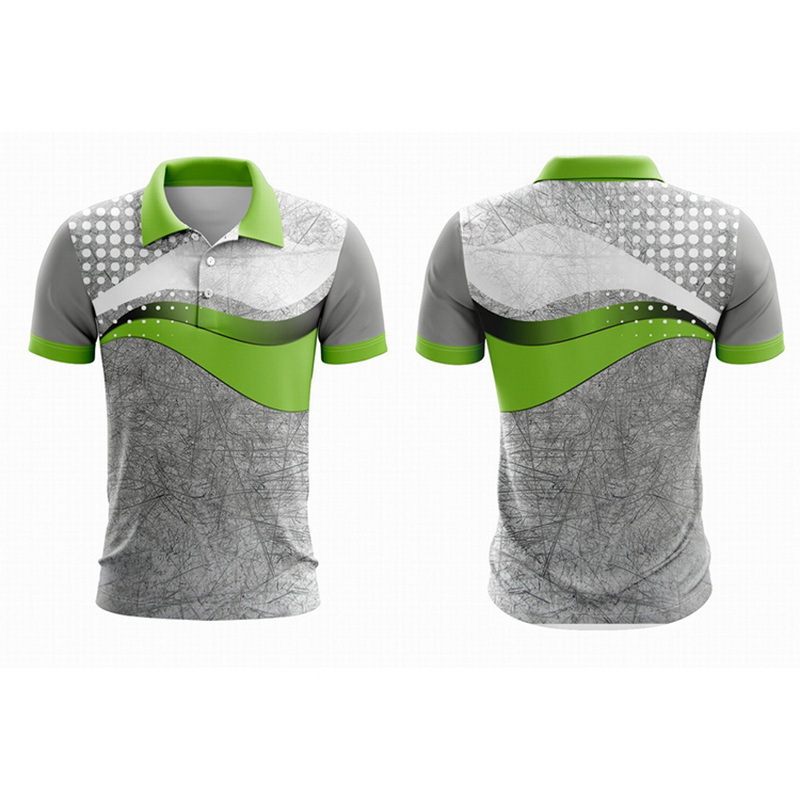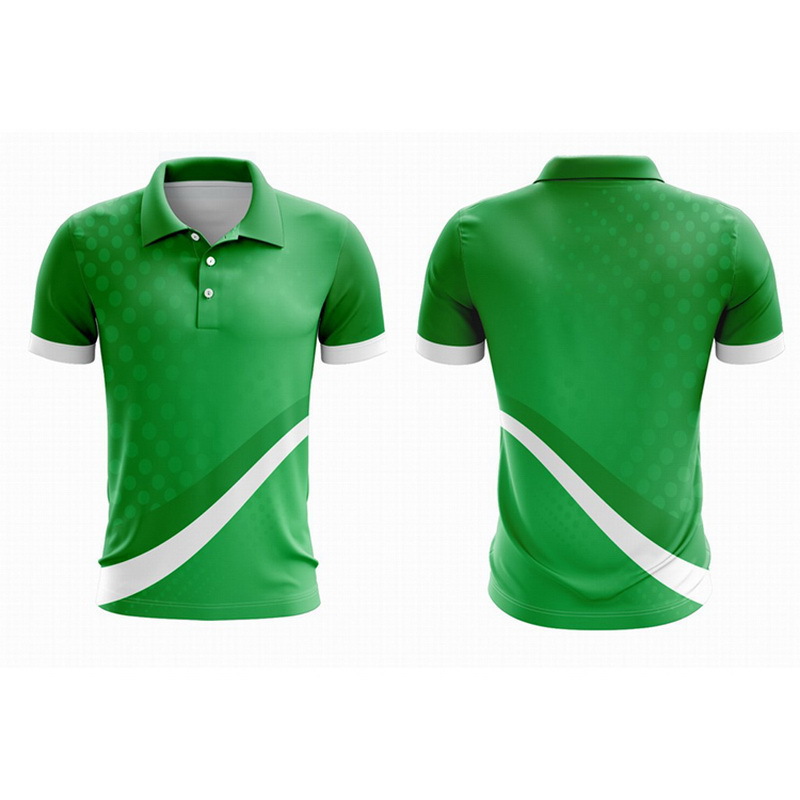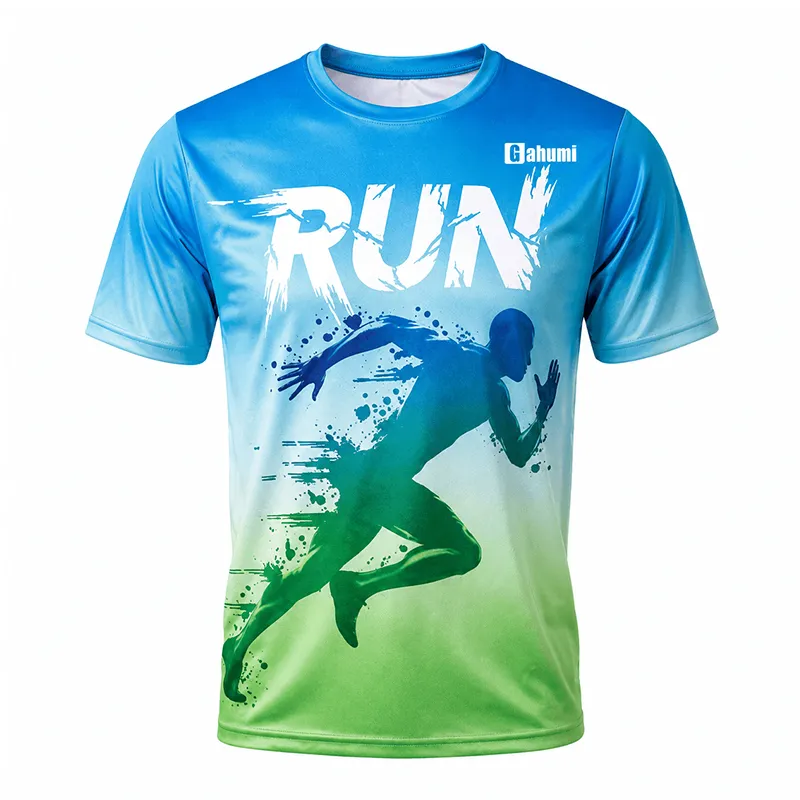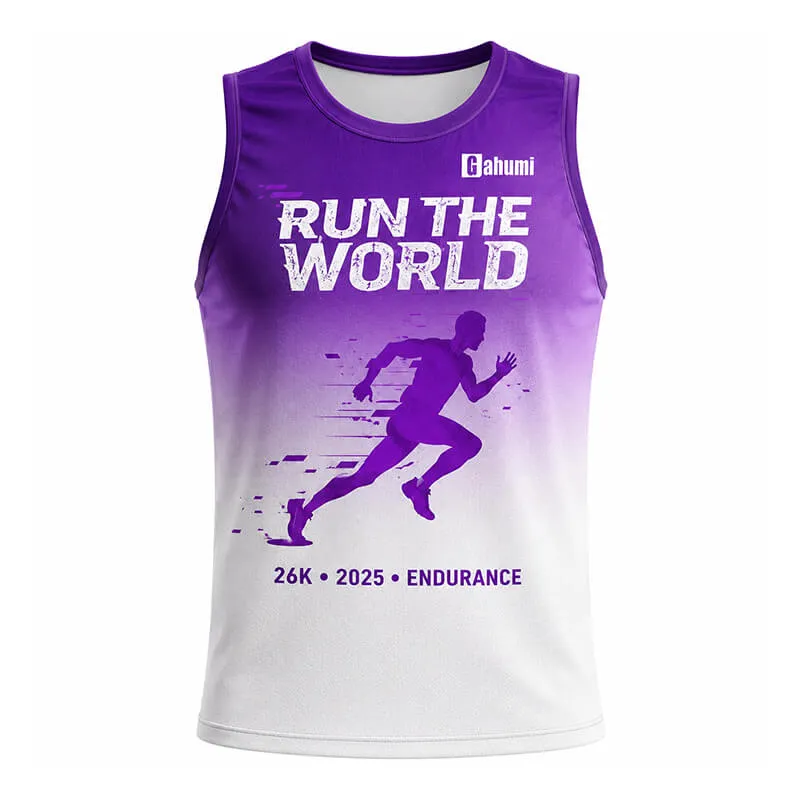
 Tshirt
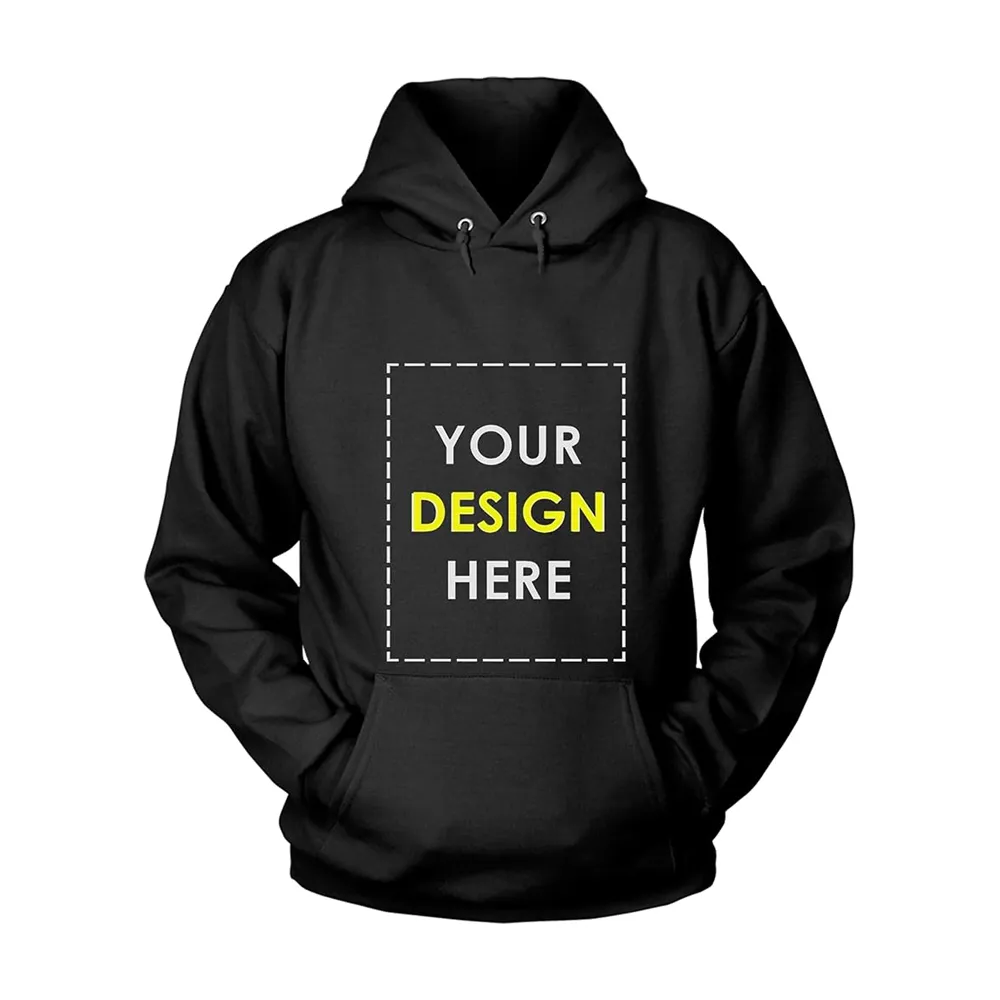 Custom Hoodie & Sweat
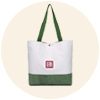 Custom Bags
 Flag
Flag
 Towel
Towel
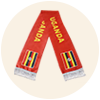 Custom Scarf
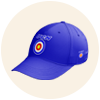 Cap
Cap

.webp)
.webp)
.webp)
In 2025, as digital noise floods marketing channels, businesses are doubling down on tangible strategies that cut through the clutter—and promotional products are leading the charge. Projected to hit $24 billion globally this year, the industry thrives on its unique ability to merge brand visibility with emotional connection. Unlike fleeting social media ads, branded items like reusable tote bags or custom drinkware become part of consumers’ daily lives, driving long-term recall. This growth isn’t uniform, though: mature markets like the U.S. and Europe prioritize sustainability, while emerging regions such as the Middle East and Southeast Asia fuel expansion with rapid urbanization and rising consumer spending. Understanding these regional dynamics and leveraging data-backed trends is key to turning promotional products into high-ROI marketing tools.
1. Global & Regional Promotional Products Market Size (2025)
The $24 billion global promotional products market is split across regions with distinct growth drivers, as tracked by the Advertising Specialty Institute (ASI) and Promotional Products Association International.
2. Why Promotional Products Deliver Unmatched Marketing Impact
2.1 Lasting Brand Impressions
Tangibility drives memory: 85% of consumers report a favorable view of brands after receiving a branded product, per Accenture. These impressions endure long-term: 72% remember the brand two years later, and 69% keep items for over a year. Homes and workspaces become brand hubs: 91% of respondents have promotional products in their kitchens, 74% in work areas, and 55% in bedrooms.
2.2 Industry-Leading ROI
Promotional products outperform traditional ads on cost and results. For every $1 spent, they generate an average $6.41 in ROI. Their cost per impression is just $0.10—nearly half that of TV/radio ($0.19)—and they boast a 2.5x higher response rate than direct mail. The payoff extends to sales: 72% of consumers are more likely to purchase after receiving a promotional item, and 61% will recommend the brand.
2.3 The Sustainability Imperative
2025 marks a tipping point for eco-friendly promotional items. Over 50% of global consumers prefer sustainable options, with 72% explicitly seeking items made from recycled or reusable materials. This trend is strongest in Europe, where 30% more positive brand associations come from using green giveaways. Sustainable products like bamboo utensils and recycled tote bags have grown 35% in popularity over five years, while 73% of millennials (a key demographic in all regions) will pay more for eco-friendly merchandise.
3. Top Promotional Items & Consumer Retention (2025)
Not all promotional products perform equally—utility and alignment with regional preferences drive success:
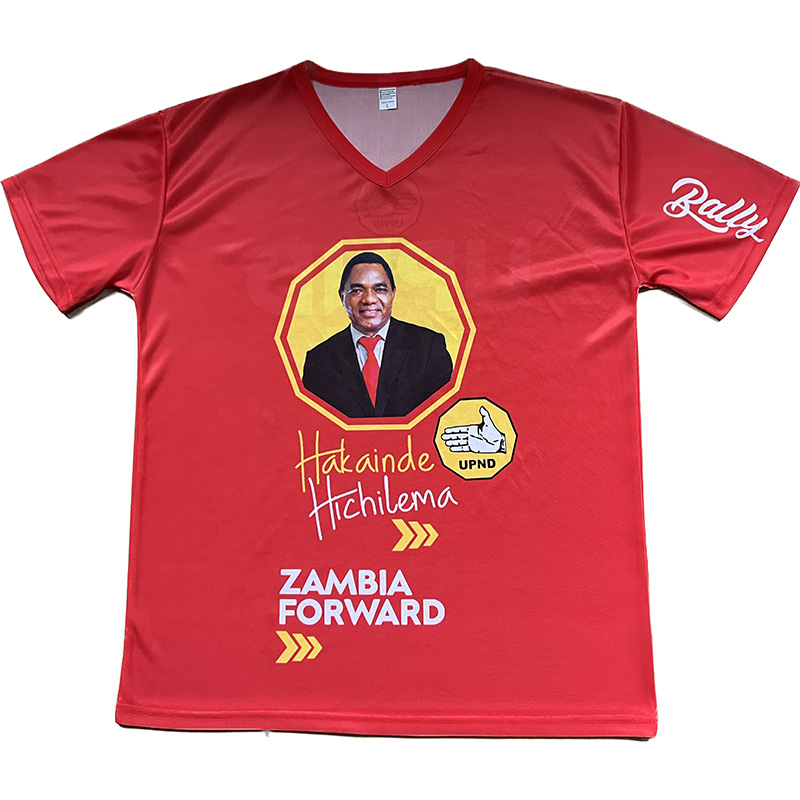
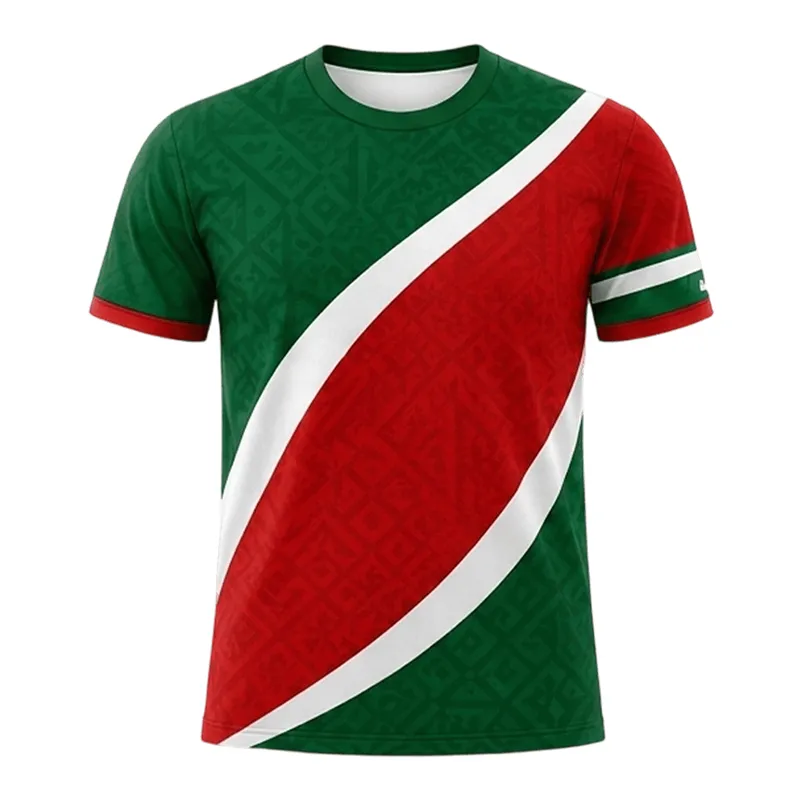
T-shirts: 49% of consumers own a branded tee, making it a global favorite for broad reach.
Reusable Tote Bags: 70% use them multiple times weekly; popular in Europe and Southeast Asia for grocery shopping.
Reusable Water Bottles: 58% keep them over two years, a top pick in the U.S. and Middle East for on-the-go lifestyles.
Branded Drinkware: 70% retain mugs for over a year, ideal for office settings across all regions.
Caps & Hats: Retained for 10 months on average, popular in sunny markets like the Middle East and Southeast Asia.
4. High-Impact Settings for Promotional Giveaways
Promotional products shine in contexts where engagement is organic, with regional variations in effectiveness:
Trade Shows: 83% of attendees remember the brand that gave them an item—critical in the U.S. and Europe’s busy event calendar.
Customer Loyalty Programs: Drives a 70% retention boost, widely used by Southeast Asia’s e-commerce platforms.
Corporate Gifts: 58% of recipients are more likely to re-engage, a staple in the Middle East’s relationship-focused business culture.
Retail Stores: 72% of shoppers buy more with a giveaway, effective in Europe’s brick-and-mortar-heavy markets.5. 2025: Challenges & Opportunities
Challenges
Regulatory Hurdles: Europe’s strict waste laws require brands to prove sustainability claims, while the Middle East enforces labeling rules for imported giveaways.
Market Saturation: The U.S. and Europe face oversupply of generic items, making differentiation harder.
Opportunities
Personalization: Customized items (e.g., monogrammed notebooks) deepen connections, especially in the U.S.
Tech Integration: QR codes on tote bags linking to brand stories or AR-enabled drinkware boost engagement in tech-savvy Southeast Asia.
Emerging Markets: The Middle East’s luxury gifting sector and Southeast Asia’s e-commerce boom offer untapped growth.
Frequently Asked Questions (FAQ)
Q1: Do promotional products work for small businesses with limited budgets?
Yes—they offer low cost-per-impression ($0.10 on average). Prioritize affordable, useful items like pens (75% keep them 6+ months) or mini tote bags to maximize reach.
Q2: What’s the most regionally adaptable promotional item?
Reusable tote bags: They align with Europe’s sustainability goals, Southeast Asia’s shopping habits, and the U.S.’s everyday utility needs.
Q3: How do I ensure my eco-friendly promotional products are credible?
Use certified materials (e.g., GOTS for recycled fabric) and share sourcing details—critical in Europe, where greenwashing is heavily regulated.
Q4: Can promotional products boost digital engagement?
Absolutely. Add QR codes linking to social media or product pages: 60% of recipients scan them, per Promo Marketing.
Q5: Which region offers the fastest ROI for promotional products?
Southeast Asia—low production costs and high engagement (72% use giveaways weekly) deliver quick returns for entry-level brands.
Q6: Are luxury promotional items worth the investment?
In the Middle East, yes—high-end items like engraved leather notebooks drive 58% more repeat business. Stick to budget-friendly utility items elsewhere.
Q7: How often should I update my promotional product lineup?
Annually, to align with trends (e.g., adding tech-integrated items) and avoid saturation—especially in mature markets like the U.S.
In 2025, promotional products remain a cornerstone of high-impact marketing, backed by a $24 billion global market and data proving their ability to drive recall, loyalty, and sales. Regional nuances matter: the U.S. demands personalization, Europe prioritizes sustainability, the Middle East leans into luxury, and Southeast Asia values affordability and utility. By choosing items aligned with these preferences—like recycled tote bags or tech-enabled drinkware—and deploying them in high-engagement settings (trade shows, loyalty programs), businesses can unlock an average $6.41 ROI per $1 spent. While challenges like regulation and saturation exist, opportunities in personalization, tech integration, and emerging markets make promotional products a smart, future-proof investment. For brands looking to stand out, the message is clear: tangible, useful, and regionally tailored promotional items turn casual audiences into lifelong customers.

.png)