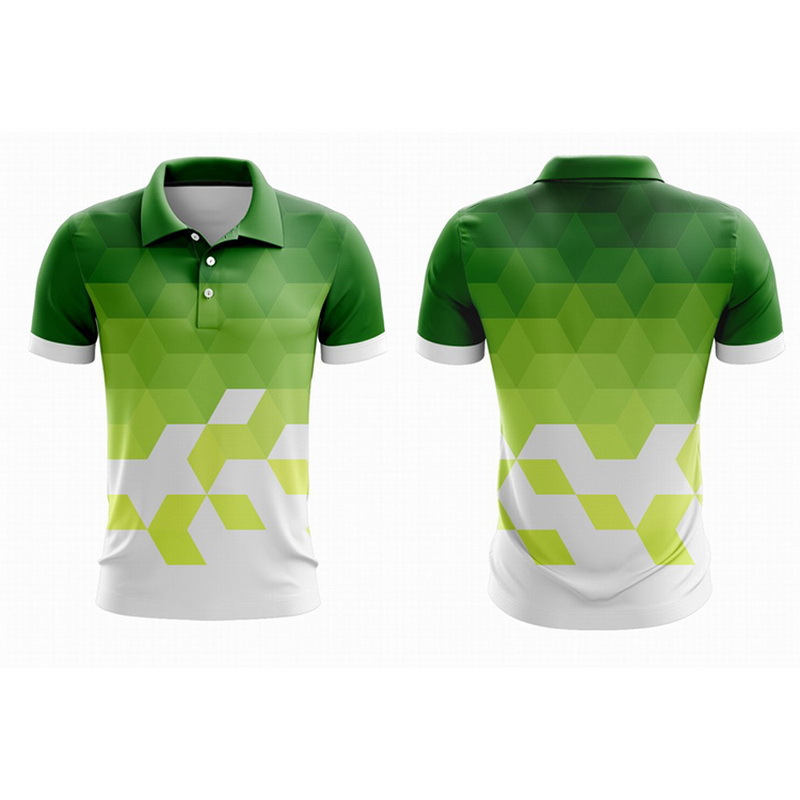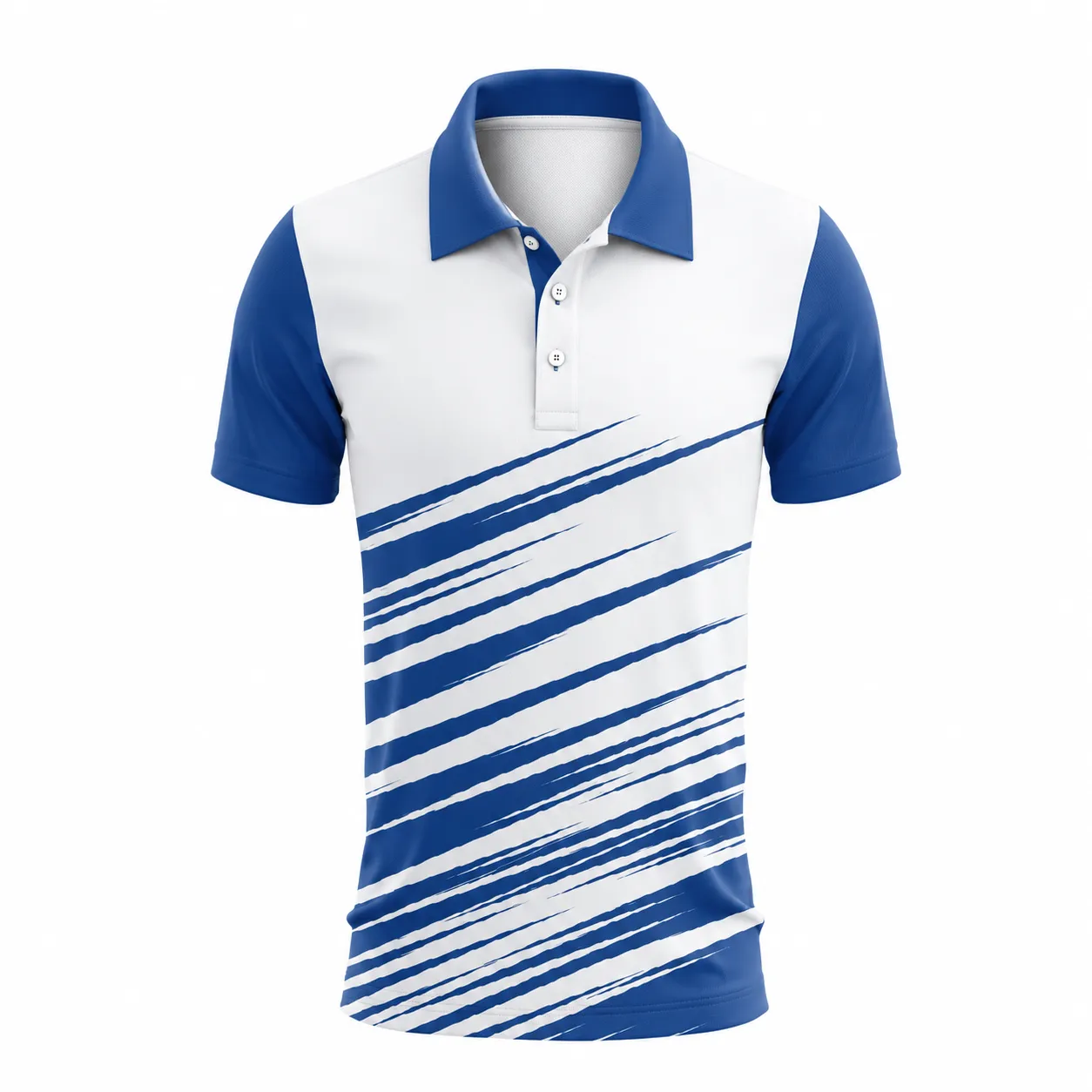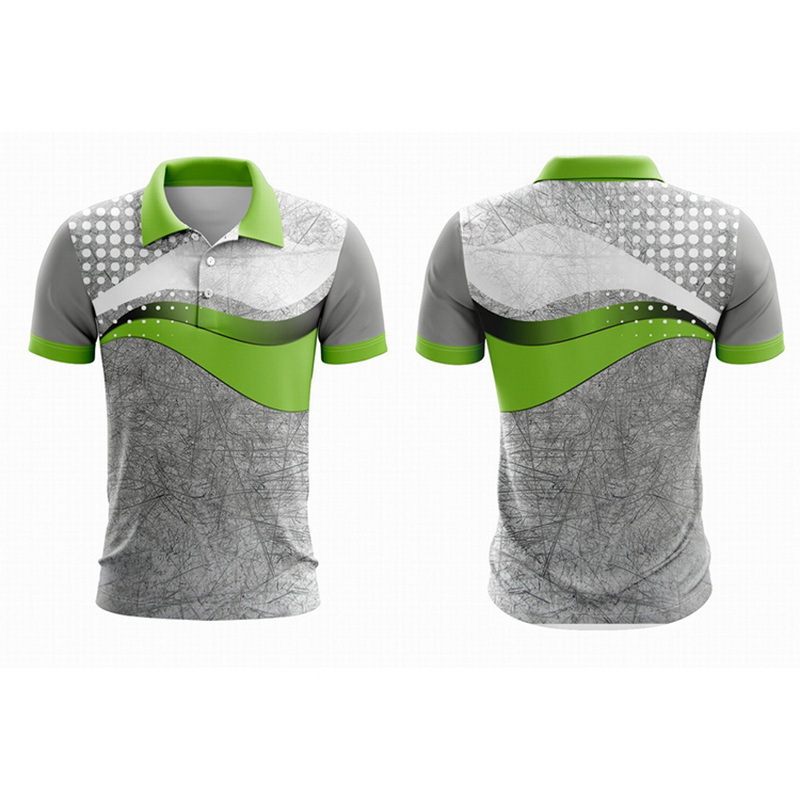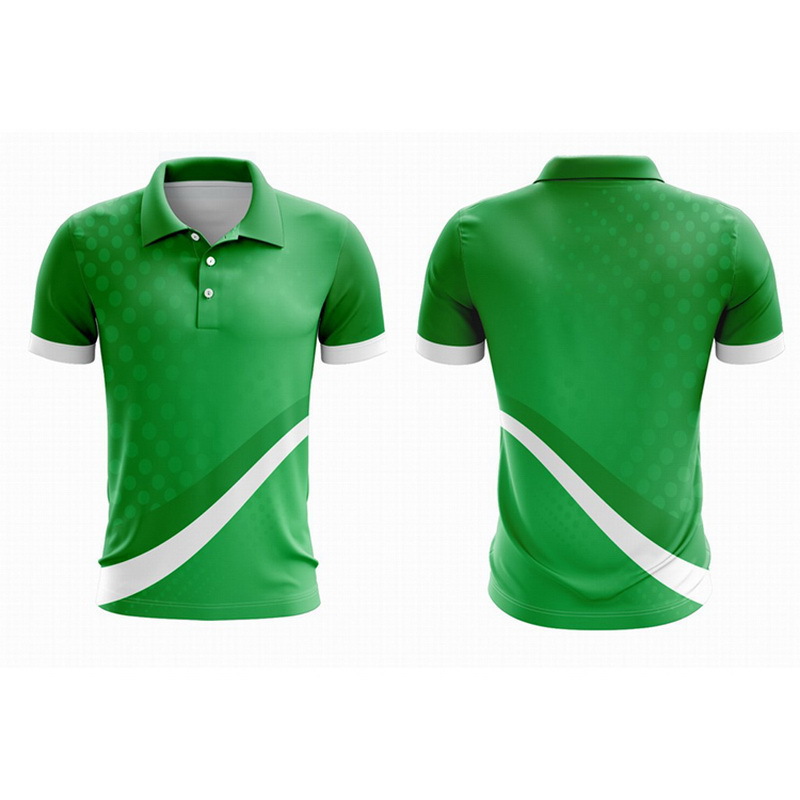
 Tshirt
 Custom Hoodie & Sweat
 Custom Bags
 Flag
Flag
 Towel
Towel
 Custom Scarf
 Cap
Cap

.webp)
.webp)
.webp)
Fabric of Change: Custom Political T-shirts Strategy
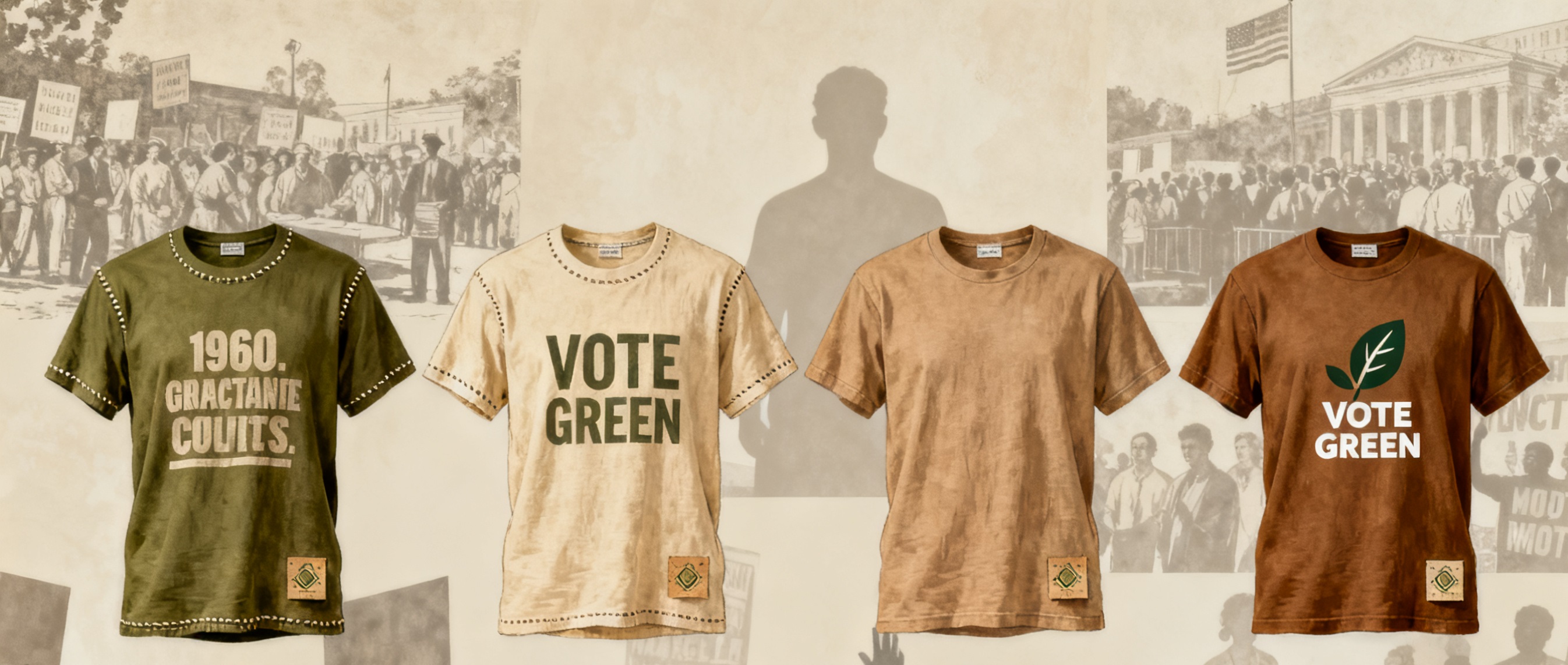
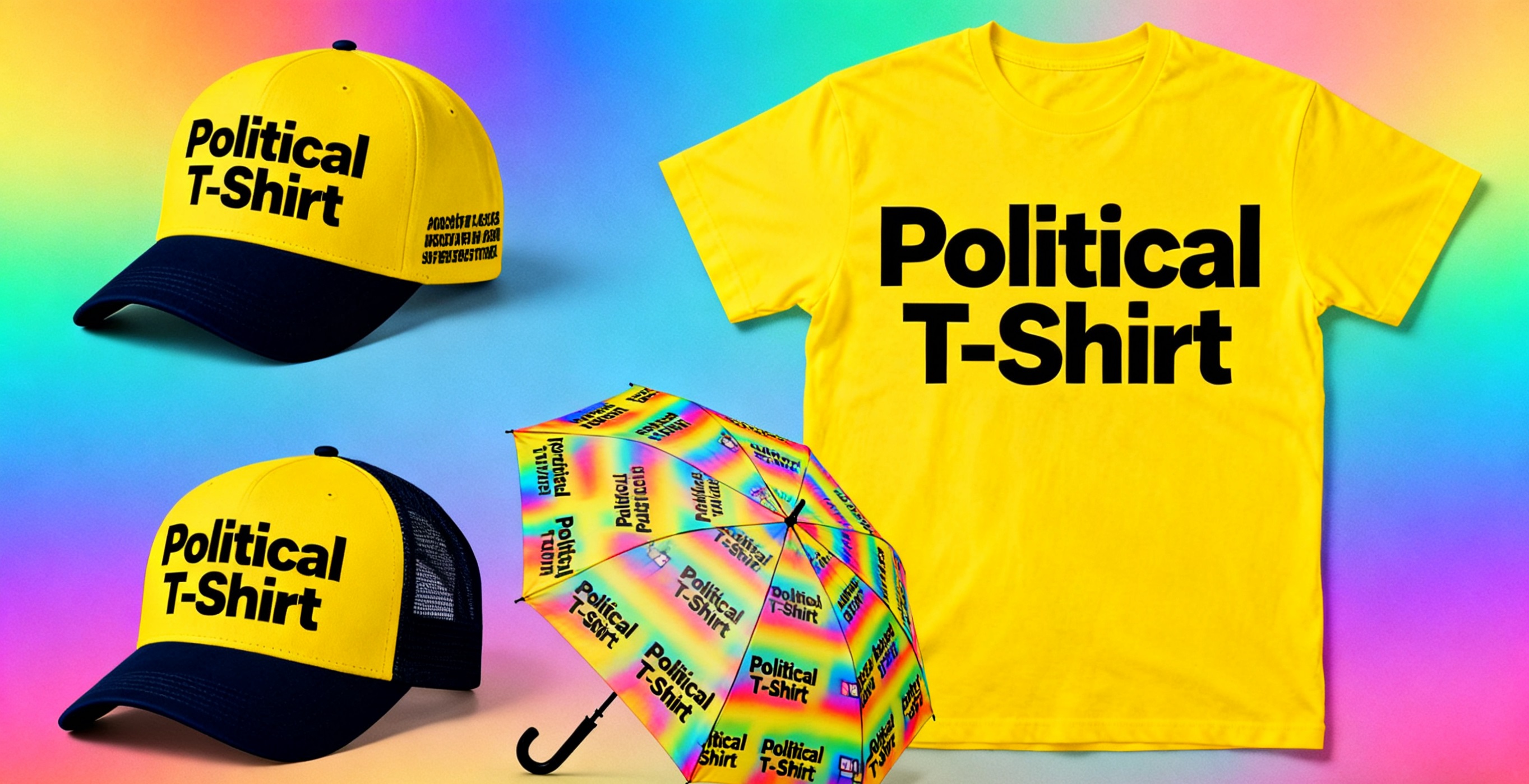
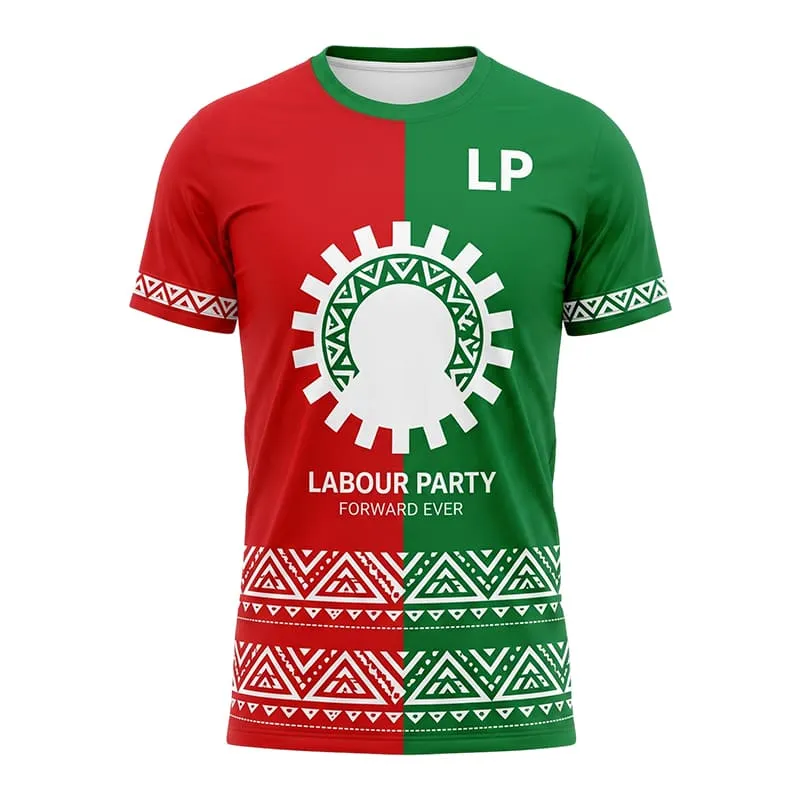
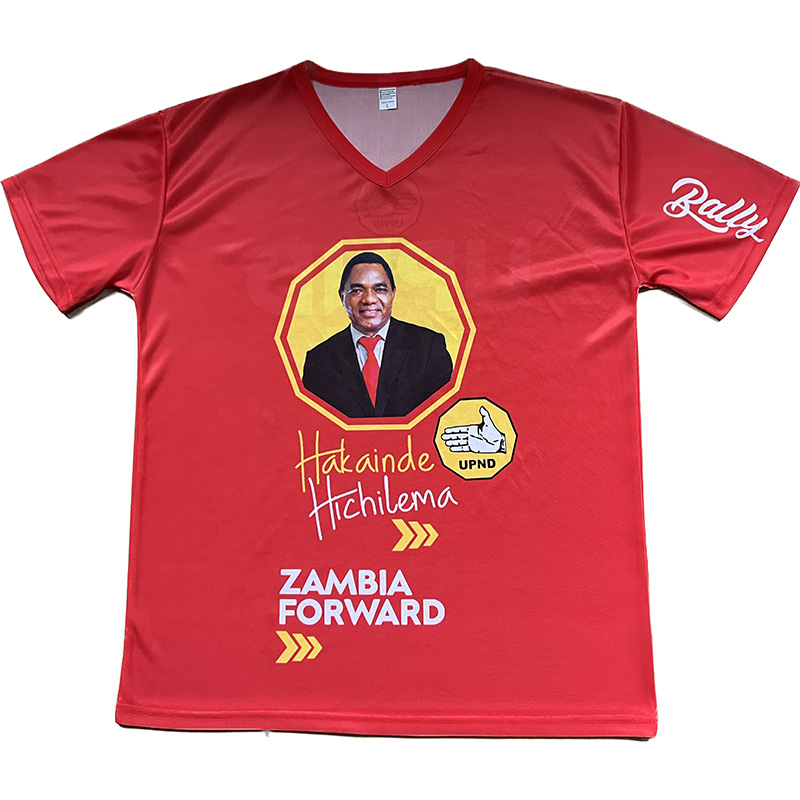
Political movements throughout history have recognized the profound power of visible, unified identity in advancing social and political change. In the digital age, where attention spans are fragmented and media landscapes are crowded, the humble t-shirt has emerged as a surprisingly potent tool for movement-building that bridges online activism with physical presence. As an established Custom Political T-Shrit OEM apparel manufacturer with extensive experience supporting political and social causes, Gahumi has witnessed how strategically deployed apparel can transform scattered supporters into cohesive movements. This comprehensive analysis examines the mechanisms through which custom t-shirts catalyze political mobilization, strengthen collective identity, and create lasting impact beyond temporary campaign cycles.
The Strategic Framework for Movement-Building Apparel
Visual Cohesion and Collective Identity Formation
The most successful political movements understand that shared visual identity creates psychological bonds that transcend geographic and demographic differences. Custom t-shirts serve as what sociologists call "totems" - physical objects that represent abstract ideas and create feelings of belonging among dispersed individuals. When thousands of supporters wear identical or thematically linked apparel, they transform from isolated sympathizers into a visible, tangible force that commands attention and respect. This visual cohesion is particularly crucial for emerging movements that lack the institutional recognition of established political parties. The repeated visual patterns created by movement apparel generate what cognitive psychologists call "processing fluency" - the easier something is to recognize, the more people tend to like and trust it. This subconscious preference for familiar visual cues explains why consistent, widespread apparel deployment can significantly accelerate public acceptance of movement messages and goals.
Important Note: Movement-building apparel must balance consistency for recognition with variations that allow different supporter segments to express their specific connection to the cause.
Tiered Engagement Strategy and Supporter Journey
Sophisticated political movements implement tiered apparel strategies that recognize supporters' different levels of engagement and provide natural progression pathways. Entry-level apparel typically features broader, more accessible messages that welcome newcomers without demanding full ideological commitment. As supporters deepen their engagement, movement apparel evolves to reflect more specific policy positions or organizational affiliations. The highest tier often includes limited-edition items that recognize leadership, sustained commitment, or special contributions. This tiered approach creates aspirational dynamics within movements while providing clear visual indicators of organizational structure and commitment levels. Manufacturing partners like Gahumi enable this strategy through flexible production capabilities that accommodate everything from small-batch premium items to mass-produced entry-level apparel, ensuring movements can scale their merchandise operations alongside their political growth.
Psychological Mechanisms of Movement Apparel
The "Badge Effect" and Behavioral Commitment
The act of wearing movement apparel creates powerful psychological shifts that transform casual supporters into committed activists. Social psychologists identify this as the "badge effect" - when individuals publicly display affiliation through clothing, they experience cognitive pressure to align their beliefs and behaviors with this public commitment. This phenomenon explains why supporters who wear movement t-shirts are significantly more likely to participate in events, donate resources, and recruit others to the cause. The physicality of apparel creates what behavioral economists call "sunk cost bias" - having invested in movement clothing, supporters feel compelled to justify this investment through continued engagement. This psychological mechanism makes apparel not merely a fundraising tool but a crucial investment in supporter retention and activation that pays continuous dividends throughout a movement's lifecycle.
Social Proof and Norm Creation
Movement apparel serves as visible social proof that demonstrates the scale and diversity of support, potentially influencing observers through what psychologists call "normative social influence." When people see movement t-shirts in their workplaces, schools, and communities, they unconsciously register that support for this cause is normal, widespread, and socially acceptable within their peer groups. This perception can be particularly powerful for overcoming what sociologists identify as "pluralistic ignorance" - when individuals privately support a cause but remain silent because they mistakenly believe others don't share their views. The public presence of movement apparel shatters this false consensus, encouraging previously silent supporters to become more vocal and active. This norm-creation function makes apparel especially valuable for movements challenging established power structures or advocating for controversial positions that require normalization before achieving mainstream acceptance.
Strategic Implementation Framework
Message Hierarchy and Design Philosophy
Effective movement-building apparel follows deliberate message hierarchies that prioritize communication objectives based on the movement's developmental stage. Nascent movements typically emphasize broad values and emotional appeals that build foundational support before introducing specific policy demands. As movements mature, apparel messaging evolves to include more concrete objectives and policy positions while maintaining connection to core values. The most sophisticated movements develop design systems that maintain visual coherence across this messaging evolution, ensuring recognizability even as specific content changes. This strategic approach to messaging prevents the confusion that often undermines movements that jump directly to complex policy arguments without first establishing emotional connections and shared identity among supporters.
Manufacturing Partnerships for Movement Scalability
Political movements require manufacturing partners capable of scaling production rapidly in response to breakthrough moments while maintaining quality and ethical standards. Unlike commercial operations, movements often experience sudden demand surges following significant events, media coverage, or viral moments. Manufacturing partners like Gahumi provide the production flexibility and rapid response capabilities that allow movements to capitalize on these momentum shifts without compromising their values through emergency sourcing from questionable suppliers. The most effective manufacturing partnerships for movements also offer design support that helps translate compelling messages into production-ready artwork, technical guidance on optimal decoration methods for different contexts, and logistical expertise that ensures timely distribution to key movement hubs and individual supporters.
Case Studies in Movement-Building Through Apparel
The Climate Movement and Symbolic Unity
The global climate movement has masterfully leveraged apparel to create visual unity across diverse organizations and tactics. The strategic use of specific colors (particularly climate orange) and symbolic elements (like the climate stripe) allows supporters to recognize each other across different events and contexts while maintaining organizational distinctions. This approach creates what movement scholars call "distributed coordination" - aligned action without centralized control. The manufacturing strategy supporting this movement emphasizes sustainable materials and ethical production, ensuring apparel choices reinforce rather than contradict environmental values. This alignment between message and medium has been crucial for maintaining movement credibility and has created manufacturing innovations that benefit broader apparel sustainability efforts.
Racial Justice Movements and Message Amplification
Contemporary racial justice movements have demonstrated how apparel can amplify specific messages while building lasting organizational capacity. The strategic deployment of simple, powerful phrases on t-shirts has allowed these movements to dominate visual media coverage and create iconic imagery that defines historical moments. The manufacturing approach has often emphasized supporting Black-owned businesses and unionized facilities, aligning production choices with movement values. These movements have also pioneered innovative distribution models that prioritize getting apparel to key activists and vulnerable communities, recognizing that strategic placement can be more impactful than maximum volume. This targeted approach demonstrates sophisticated understanding of apparel as a tactical resource rather than merely a fundraising commodity.
Operational Excellence in Movement Apparel
Distribution Strategy and Tactical Deployment
The most effective movements treat apparel distribution as a strategic function rather than a simple commerce operation. Distribution prioritizes visibility in key geographic areas, concentration at significant events, and accessibility for influential supporters who can maximize impressions. Many successful movements implement "seeding" strategies that provide free apparel to volunteers, community leaders, and celebrities who can generate disproportionate visibility. Others use apparel as reward mechanisms for specific actions like event attendance, volunteer hours, or successful recruitment. The most sophisticated operations employ data-driven distribution that analyzes where apparel deployment generates the highest return in terms of media coverage, social media amplification, and new supporter acquisition. This strategic approach transforms apparel from passive inventory into active movement-building assets.
Digital Integration and Multiplatform Presence
Modern movement-building requires seamless integration between physical apparel and digital engagement strategies. Successful movements use unique design elements, QR codes, and specific hashtags on apparel to bridge physical presence with digital amplification. They encourage supporters to share images of themselves wearing movement apparel in various contexts, creating authentic social media content that reaches beyond existing supporter networks. The most advanced implementations use apparel-specific campaigns that track how often particular designs appear in social media posts, media coverage, and public events, providing valuable data about which messages resonate most strongly with different audiences. This digital-physical integration maximizes the impact of apparel investments while creating feedback loops that inform future messaging and design decisions.
Manufacturing Considerations for Political Movements
Ethical Production and Value Alignment
For political movements, manufacturing choices must align with and reinforce core values rather than merely optimizing for cost or speed. Movements advocating workers' rights understandably prioritize unionized manufacturing facilities and transparent supply chains. Environmental movements increasingly demand organic materials, water-based inks, and carbon-neutral production processes. Social justice movements often seek out manufacturers owned by underrepresented groups or those with demonstrated commitments to equity and inclusion. These value-aligned manufacturing decisions, while sometimes involving cost premiums, provide crucial protection against accusations of hypocrisy while creating manufacturing partnerships that can grow alongside movement development. As an Custom Political T-Shirt OEM apparel manufacturer serving numerous causes, Gahumi has developed specialized capabilities to meet these value-based manufacturing requirements without compromising on quality or reliability.
Scalable Production for Movement Moments
Political movements experience natural cycles of visibility and momentum that require manufacturing partners capable of rapid scaling during critical periods. The most effective manufacturing partnerships establish baseline production capacity while maintaining flexible access to additional resources for breakthrough moments. This requires sophisticated inventory management of blank garments, strategic relationships with decoration facilities in multiple regions, and established protocols for expedited production and shipping. Movements also benefit from manufacturing partners who understand the unique public relations risks of political apparel, including quality control processes that prevent potentially embarrassing manufacturing defects and confidentiality protocols that protect sensitive campaign plans. These specialized capabilities distinguish manufacturing partners who merely produce clothing from those who genuinely contribute to movement success.
Frequently Asked Questions (FAQ)
Q1: What quantity of t-shirts should a new political movement initially produce?
A1: New movements should start with 500-1,000 units of core designs, supplemented by smaller batches (100-300) of variant designs for testing message resonance. This approach balances economies of scale with flexibility to adapt messaging based on early response and changing conditions.
Q2: How can movements prevent their apparel from being perceived as mere fashion?
A2: Strategic integration of apparel with concrete action is crucial. Movements should connect apparel distribution to specific events, trainings, or commitments. Messaging should emphasize action-oriented language, and distribution systems should provide clear pathways from apparel wearing to deeper engagement.**
Q3: What design elements most effectively support movement-building objectives?
A3: The most effective movement designs typically feature: (1) clear, actionable messaging; (2) distinctive color schemes that create visual unity; (3) scalable graphics that remain recognizable at different sizes; and (4) elements that encourage conversation and questions from observers.**
Q4: How should movements handle manufacturing and distribution across different regions?
A4: Distributed manufacturing through vetted regional partners can reduce shipping costs and delivery times while building local capacity. Centralized design control with localized production authority balances consistency with practical flexibility. Digital storefronts with distributed fulfillment provide national reach while maintaining message control.**
Q5: What sustainable manufacturing options are available to values-driven movements?
A5: Movements can select from organic cotton, recycled polyester, hemp blends, water-based inks, and carbon-neutral production. While these options typically involve 15-30% cost premiums, they provide crucial alignment with environmental values and often enhance supporter willingness to pay premium prices.**
Q6: How can movements measure the impact of their apparel investments?
A6:
.png)