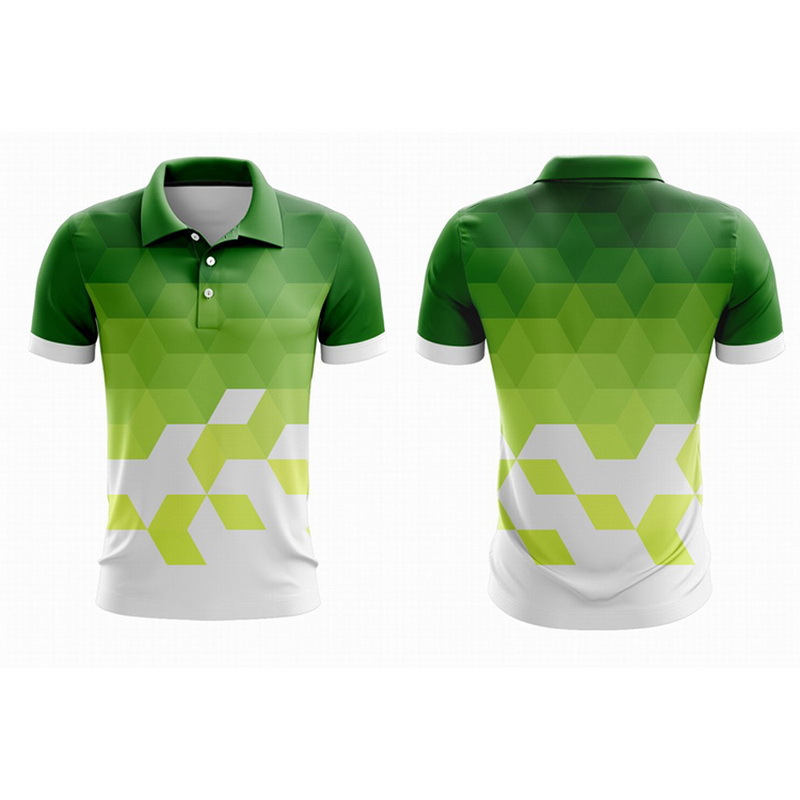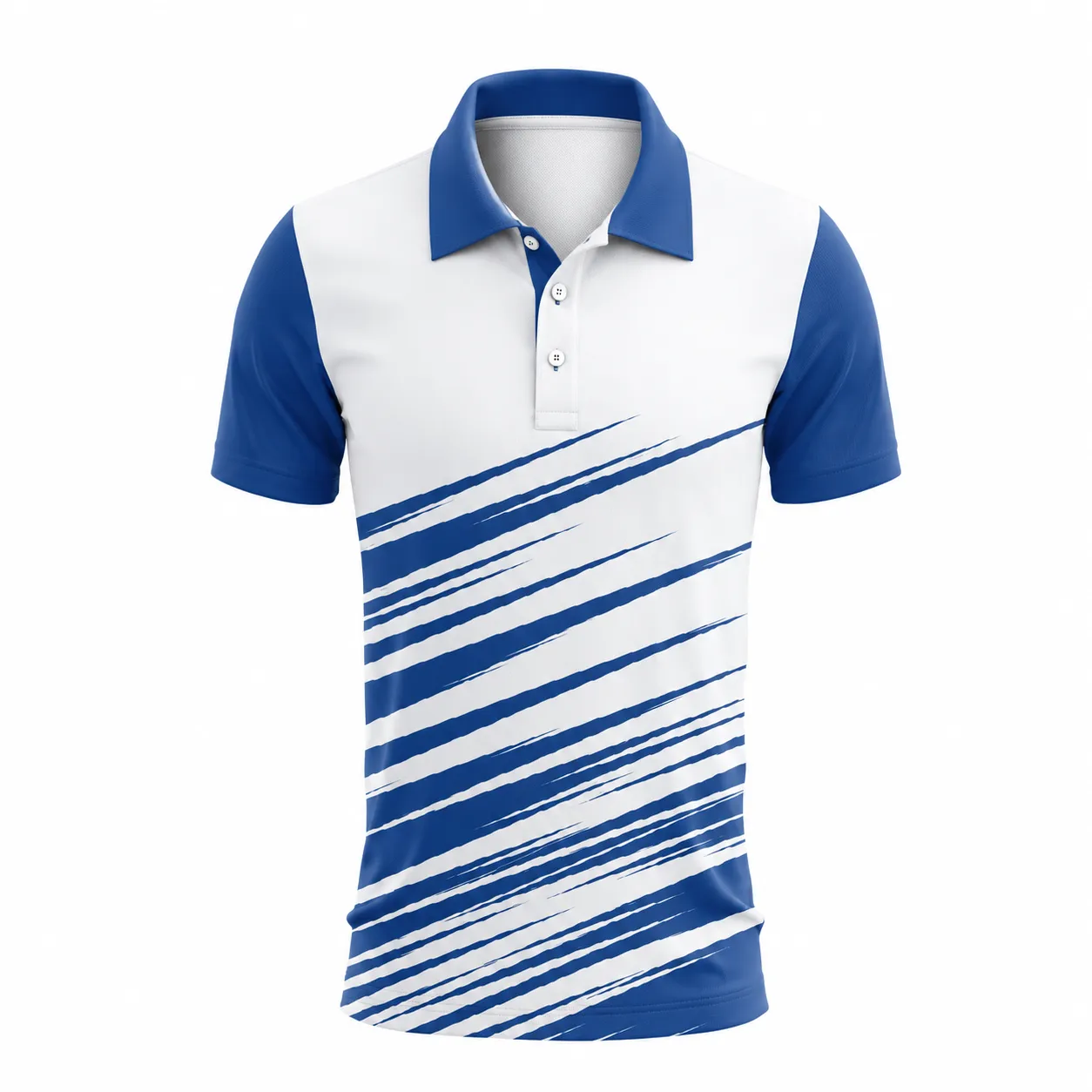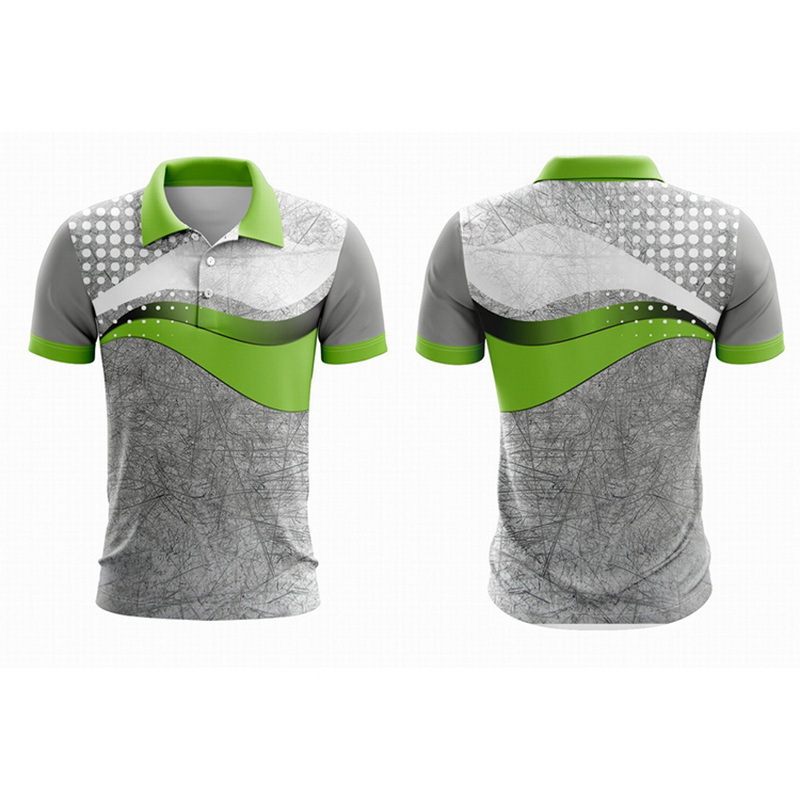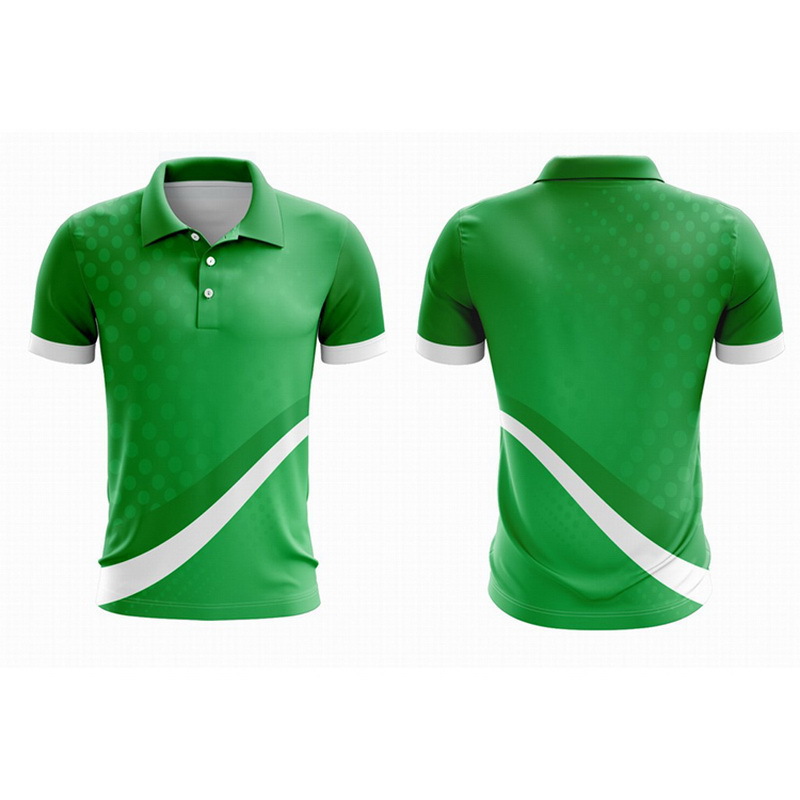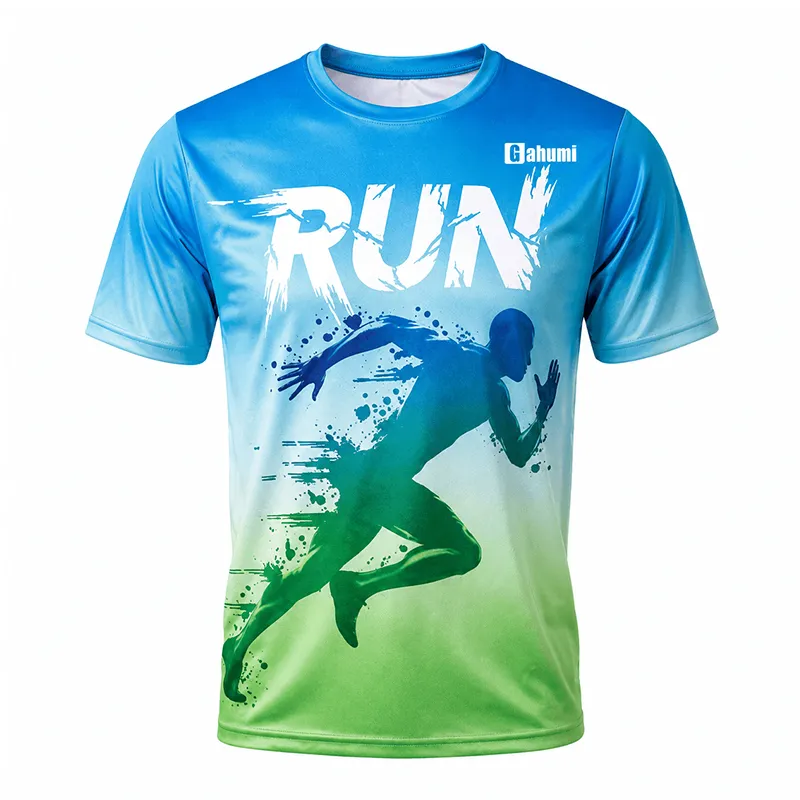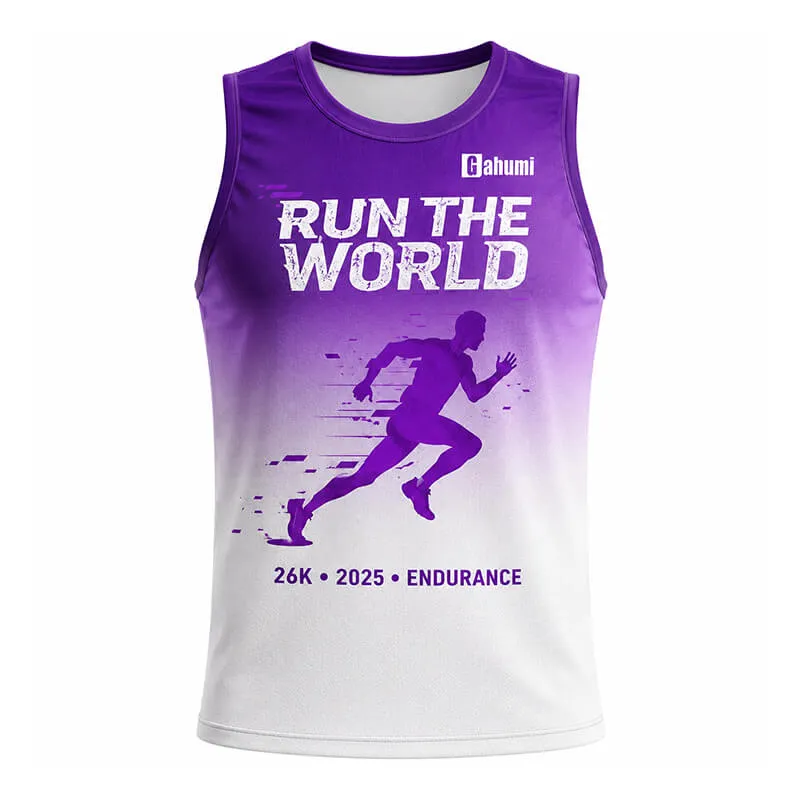
 Tshirt
 Custom Hoodie & Sweat
 Custom Bags
 Flag
Flag
 Towel
Towel
 Custom Scarf
 Cap
Cap

.webp)
.webp)
.webp)
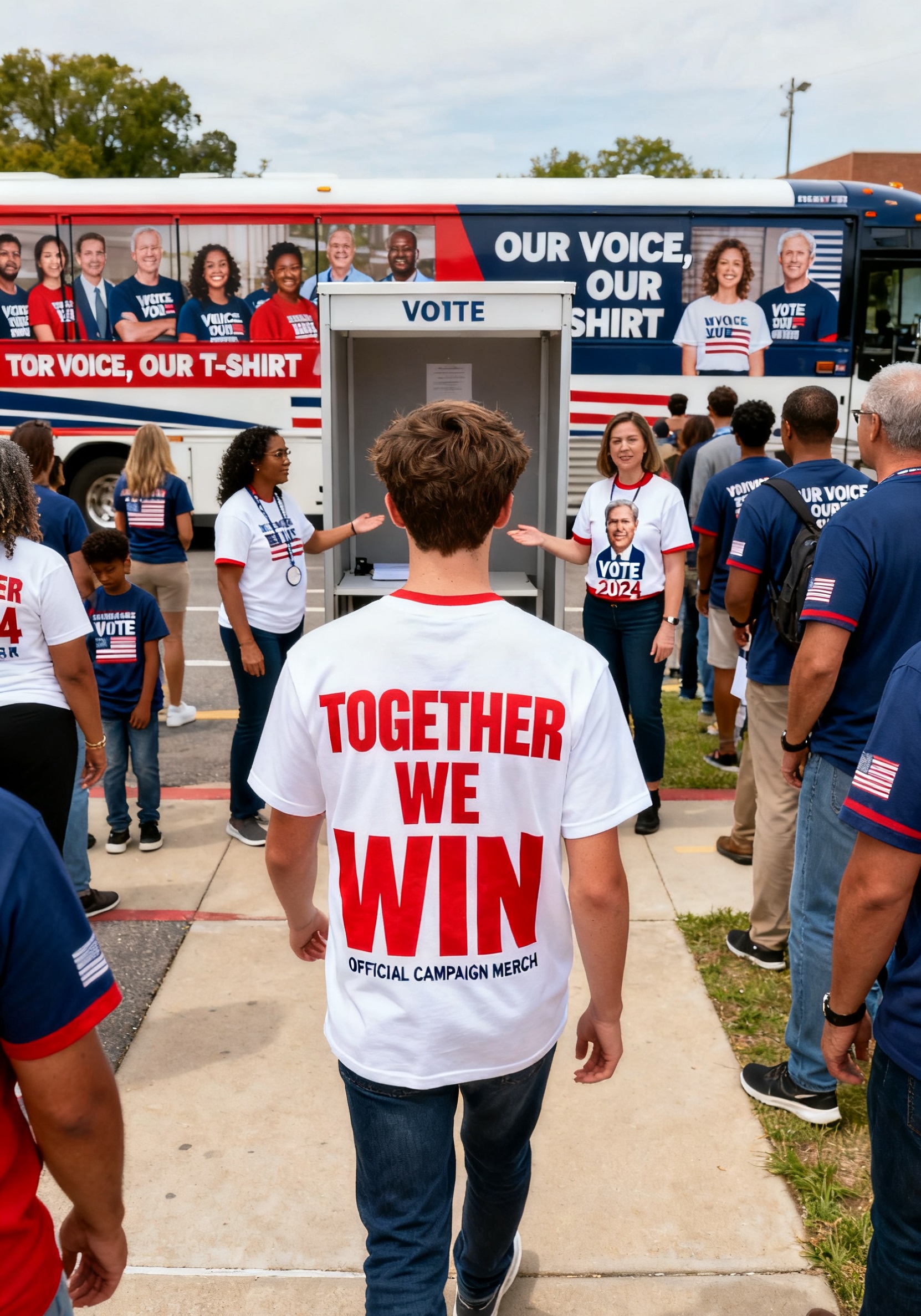
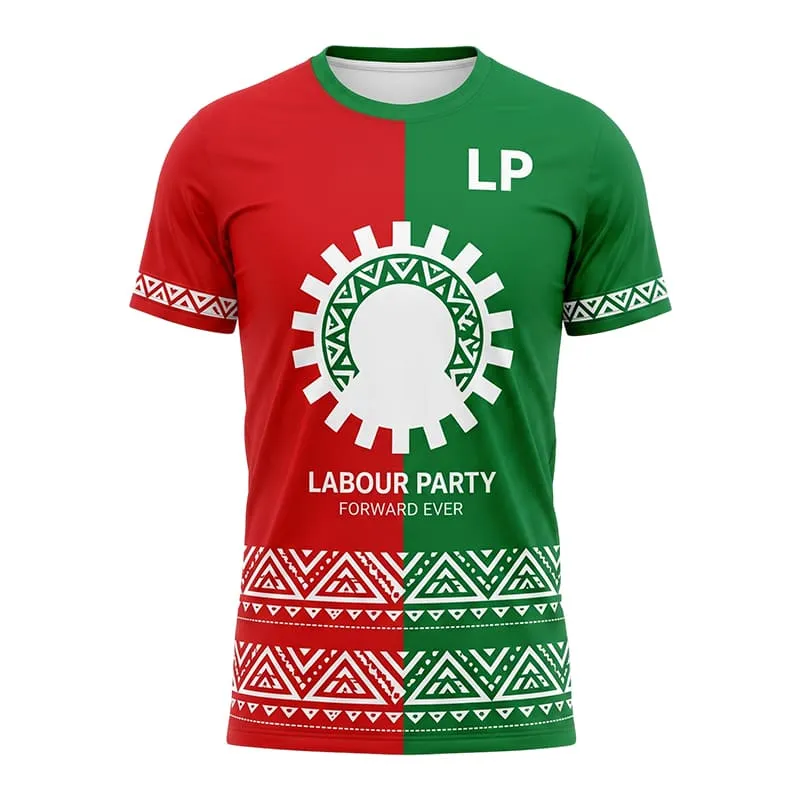
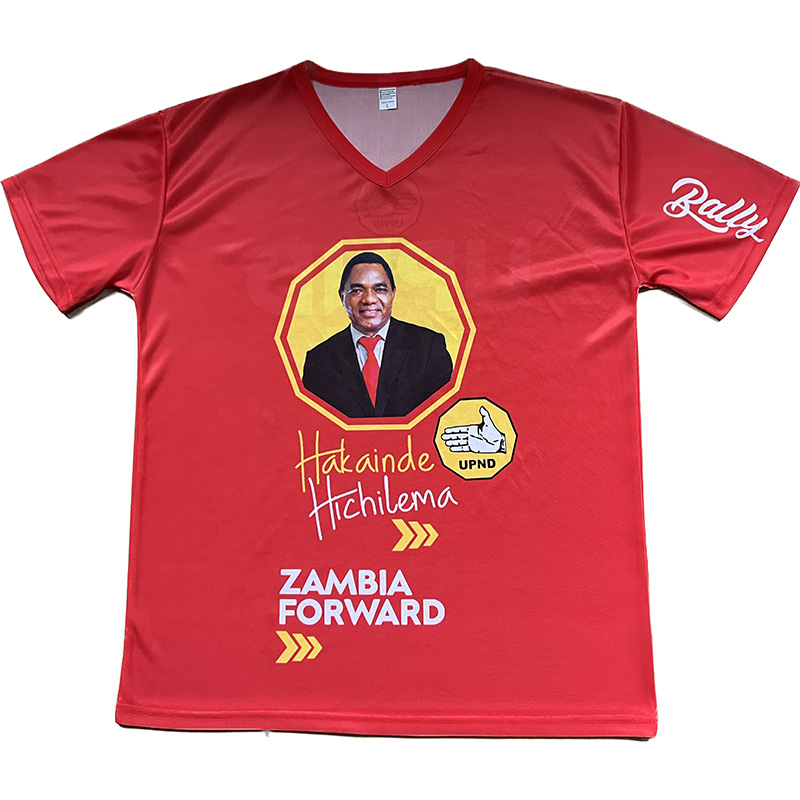
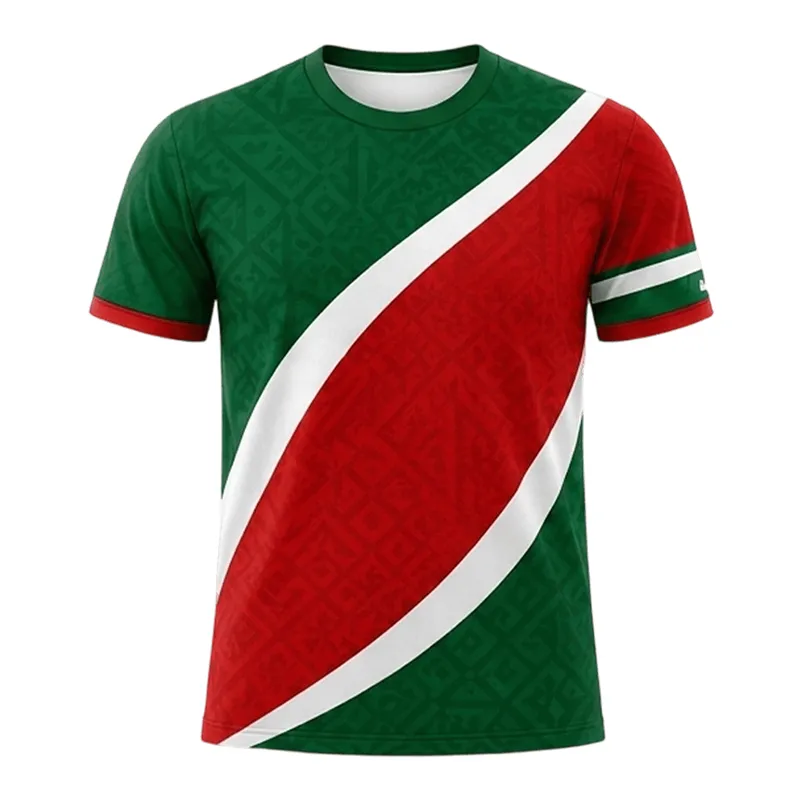
In the complex landscape of modern political campaigning, custom t-shirts have emerged as one of the most effective and versatile marketing tools available to candidates and campaign managers. These seemingly simple garments serve as mobile billboards, unity symbols, fundraising tools, and lasting memorabilia—all while communicating core campaign messages to diverse audiences. As an established OEM t-shirt manufacturer specializing in political merchandise, Gahumi understands the multifaceted role that strategically designed and professionally produced apparel plays in determining electoral success. This comprehensive analysis explores why custom t-shirts represent such valuable marketing assets and how campaigns can maximize their impact through thoughtful planning and execution.
The Multidimensional Value of Custom T-Shirts in Political Marketing
Walking Billboards and Organic Visibility
Custom t-shirts transform passive supporters into active brand ambassadors who extend the campaign's reach into communities far beyond traditional advertising channels. Unlike digital ads that disappear with a click or yard signs that remain stationary, apparel-wearing supporters generate organic visibility in supermarkets, schools, workplaces, and social gatherings—environments where political advertising typically doesn't reach. This third-party endorsement carries implicit social proof that often proves more convincing than direct campaign messaging. The cumulative effect of multiple supporters wearing campaign apparel in a community creates a sense of momentum and widespread support that can influence undecided voters through mere exposure effect. Each garment represents hundreds of potential impressions throughout the campaign cycle, delivering exceptional cost-per-view value that dwarfs traditional advertising mediums.
Psychological Commitment and Community Building
The act of wearing campaign apparel creates powerful psychological effects that strengthen supporter commitment and engagement. When individuals publicly display their allegiance through clothing, they experience cognitive consistency pressures that make them more likely to internalize and advocate for the campaign's message. This phenomenon, known as the "badge effect," transforms casual supporters into dedicated advocates who feel personally invested in the campaign's success. Additionally, customized apparel creates visible tribal markers that help supporters identify each other, fostering spontaneous connections and building community around shared political values. This sense of belonging proves particularly valuable for volunteer recruitment and retention, as identified group members are more likely to participate in campaign activities and persevere through challenges.
Dual-Purpose Fundraising and Resource Generation
Beyond their promotional value, custom t-shirts serve as significant revenue generators that can fund other campaign activities while simultaneously advancing marketing objectives. The profit margins on well-produced campaign apparel are often substantial, particularly when campaigns leverage bulk manufacturing efficiencies through experienced OEM t-shirt manufacturers. This merchandise-based fundraising creates a virtuous cycle where marketing and financing reinforce each other—each shirt sold not only generates revenue but also puts another walking advertisement into the community. The merchandise sales also provide valuable data on supporter enthusiasm and geographic concentration, helping campaigns identify stronghold areas and gauge overall momentum. Unlike traditional fundraising that only generates money, apparel sales create marketing assets that continue working long after the initial transaction.
Future Trends in Political Apparel Marketing
Technology Integration and Interactive Elements
The future of political apparel lies in seamless integration with digital campaign strategies through emerging technologies. QR codes strategically incorporated into t-shirt designs are becoming increasingly sophisticated, connecting physical apparel wearers with digital campaign assets like donation pages, event registrations, and policy platforms. Augmented reality elements represent the next frontier, where scanning a design with a smartphone unlocks immersive experiences like candidate messages or policy explanations. These technological enhancements transform static apparel into interactive touchpoints that bridge online and offline campaigning. The most forward-thinking campaigns are already experimenting with NFC chips embedded in garments that enable even more seamless digital connections, potentially revolutionizing how supporters engage with campaigns through the apparel they wear.
Sustainability and Ethical Production Values
Environmental consciousness is becoming increasingly important in political branding, with campaigns facing growing pressure to demonstrate alignment between their messaging and operational practices. Sustainable apparel options—including organic cotton, recycled materials, water-based inks, and ethical manufacturing processes—allow campaigns to embody their environmental values tangibly. Voters increasingly scrutinize the entire supply chain behind campaign merchandise, rewarding those who demonstrate commitment to responsible production. Beyond environmental concerns, labor practices and factory conditions are also emerging as considerations for campaigns seeking to maintain brand integrity. These evolving expectations make manufacturer selection increasingly strategic, with campaigns needing partners who can provide transparency and verification of sustainable and ethical practices.
Hyper-Personalization and Targeted Messaging
The era of one-size-fits-all campaign merchandise is evolving toward highly personalized apparel strategies that target specific demographic segments with tailored messaging. Advanced manufacturing capabilities now enable cost-effective production of smaller batches designed for particular voter groups—young professionals, retirees, ethnic communities, or geographic regions. This hyper-personalization extends beyond simple demographic targeting to occasion-specific apparel for particular events, creating exclusivity that increases perceived value. The most sophisticated campaigns are leveraging data analytics to determine which messages resonate with specific segments, then producing apparel that speaks directly to those interests. This trend toward personalization represents a significant evolution from traditional approaches where all supporters received identical merchandise regardless of their specific interests or motivations.
Strategic Custom T-Shirt Manufacturing Process
Design Development and Message Strategy
The manufacturing journey begins with strategic design development that aligns apparel messaging with broader campaign positioning and voter perceptions. This critical phase involves translating abstract campaign values into visual elements that resonate emotionally while maintaining technical production feasibility. Experienced manufacturers like Gahumi provide design consultation that balances creative aspirations with production realities, suggesting modifications that enhance durability, readability, and impact while controlling costs. The design process must consider how elements will scale across different garment sizes and types, ensuring consistent brand presentation whether supporters wear standard tees, polo shirts, or hoodies. This phase establishes the visual foundation that will represent the campaign across countless community interactions, making thoughtful design decisions absolutely crucial to marketing success.
Material Selection and Wearability Considerations
The choice of materials significantly influences how campaign apparel performs as a marketing asset through comfort, durability, and perceived quality. Different fabrics communicate different brand attributes—premium combed cotton suggests quality and attention to detail, while performance blends indicate practicality and modernity. Weight considerations balance comfort with substance, as garments that feel insubstantial may undermine perceptions of campaign seriousness. Practical concerns like shrinkage resistance, colorfastness, and durability directly impact how long the marketing asset remains viable throughout the campaign cycle. The most effective material selections align with both the campaign's brand positioning and the practical requirements of how supporters will actually wear the apparel in various settings and conditions.
Production Excellence and Quality Consistency
Political campaigns require manufacturing partners capable of delivering consistent quality across production runs that may span thousands of garments produced over several months. The production process involves rigorous quality control at multiple stages, beginning with material inspection and continuing through printing, assembly, and final packaging. For screen printed items, this includes monitoring ink opacity, cure temperatures, and registration accuracy to ensure vibrant, durable designs. Embroidery requires careful attention to stitch density, thread tension, and stabilization to prevent puckering or distortion. Established manufacturers implement standardized inspection protocols that identify and address production issues before merchandise reaches supporters, protecting the campaign's brand reputation at every touchpoint. This quality consistency ensures that the marketing message remains clear and professional regardless of when supporters receive their apparel.
Logistics and Distribution Optimization
The final manufacturing phase transforms finished apparel into strategically deployed marketing assets through careful logistics planning and distribution management. This involves coordinating with campaign leadership to align merchandise delivery with key events and mobilization efforts, ensuring apparel arrives when and where it can maximize impact. For larger campaigns with multiple field offices or regional operations, manufacturers must implement sorting and labeling systems that streamline distribution to various locations. Packaging considerations balance protection during shipping with easy access for volunteers handling distribution. The most effective manufacturing partners understand the time-sensitive nature of political campaigning and build flexibility into their logistics to accommodate last-minute requests and changing campaign needs.
Maximizing Marketing Impact Through Strategic Implementation
Integration with Broader Campaign Strategy
The most successful campaign apparel programs are those fully integrated with broader marketing and mobilization efforts rather than treated as separate initiatives. This means coordinating apparel designs with other visual materials, timing merchandise pushes to complement major campaign announcements, and using apparel distribution to strengthen volunteer recruitment and retention. Campaigns should view apparel not just as merchandise but as core components of their field strategy, using branded clothing to create visible presence at community events and public gatherings. The messaging on apparel should reinforce other campaign communications while leveraging the unique properties of clothing as a medium. This integrated approach ensures that apparel enhances rather than duplicates other marketing efforts, creating cohesive brand experiences across all touchpoints.
Measurement and Impact Assessment
While the organic nature of apparel marketing presents measurement challenges, sophisticated campaigns implement strategies to gauge effectiveness and optimize their approach. Simple methods include tracking merchandise sales by location to identify stronghold areas and using unique design elements for specific events to measure participation. More advanced approaches incorporate QR codes that track engagement or use custom landing pages referenced on apparel to measure direct response. Campaigns should also monitor social media for organic posts featuring campaign apparel and conduct periodic surveys to assess brand recognition in key districts. This data-driven approach allows for continuous refinement of apparel strategies throughout the election cycle, maximizing marketing impact and resource allocation.
Frequently Asked Questions (FAQ)
Q1: What is the ideal timeline for incorporating custom t-shirts into a political campaign?
A1: We recommend initiating the design process 3-4 months before major campaigning begins, with first production deliveries scheduled 8-10 weeks before key events. This allows sufficient time for design refinement, sample approval, and production while building inventory for campaign milestones.
Q2: How many custom t-shirts should a campaign typically budget for?
A2: Quantities vary by campaign scope, but congressional campaigns typically require 2,000-5,000 units, while statewide campaigns may need 10,000+. We recommend starting with core supporter quantities (500-1,000) then scaling based on volunteer recruitment and fundraising success.
Q3: What customization method works best for different campaign needs?
A3: Screen printing excels for high-volume volunteer shirts and event-specific designs. Embroidery projects premium quality ideal for staff, donors, and leadership. Direct-to-garment printing offers flexibility for complex designs and smaller test batches.
Q4: Can you help campaigns develop designs that resonate with specific voter segments?
A4: Absolutely. Our ODM services include demographic-specific design development informed by political marketing principles. We create designs that resonate with target voters while maintaining technical production feasibility and cost efficiency.
Q5: What sustainable options are available for environmentally-conscious campaigns?
A5: We offer comprehensive sustainable solutions including organic cotton, recycled polyester, water-based inks, and eco-friendly packaging. These options align with environmental platforms while maintaining the quality and durability required for campaign use.
Q6: How do you handle unexpected demand surges during critical campaign periods?
A6: We maintain flexible production capacity specifically for political clients, with established protocols for rush orders and demand surges. Our political campaign experience ensures we understand the time-sensitive nature of electoral cycles and can scale production quickly when momentum shifts occur.
.jpeg)
.png)