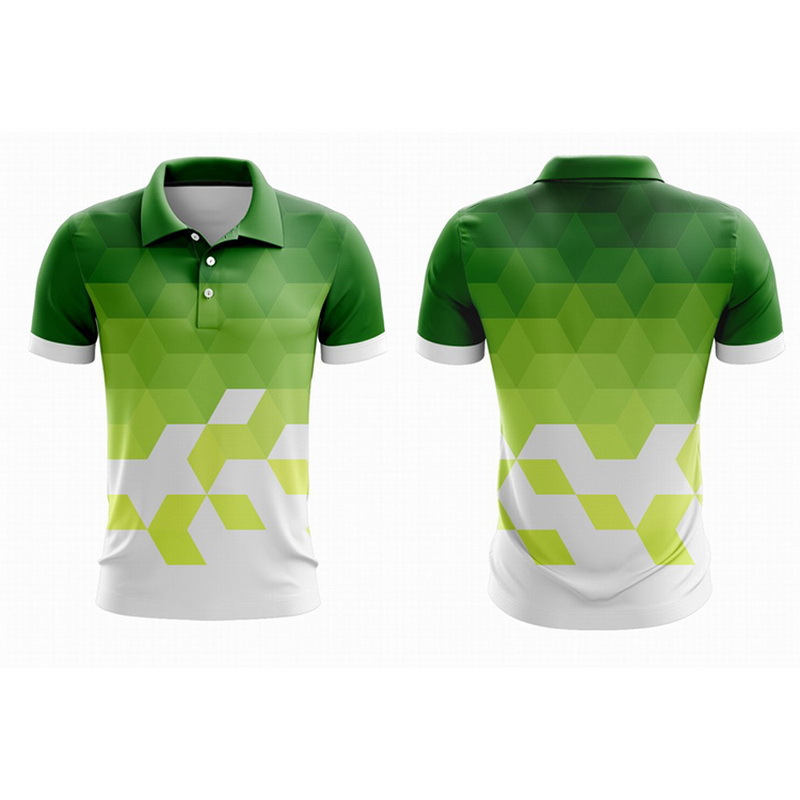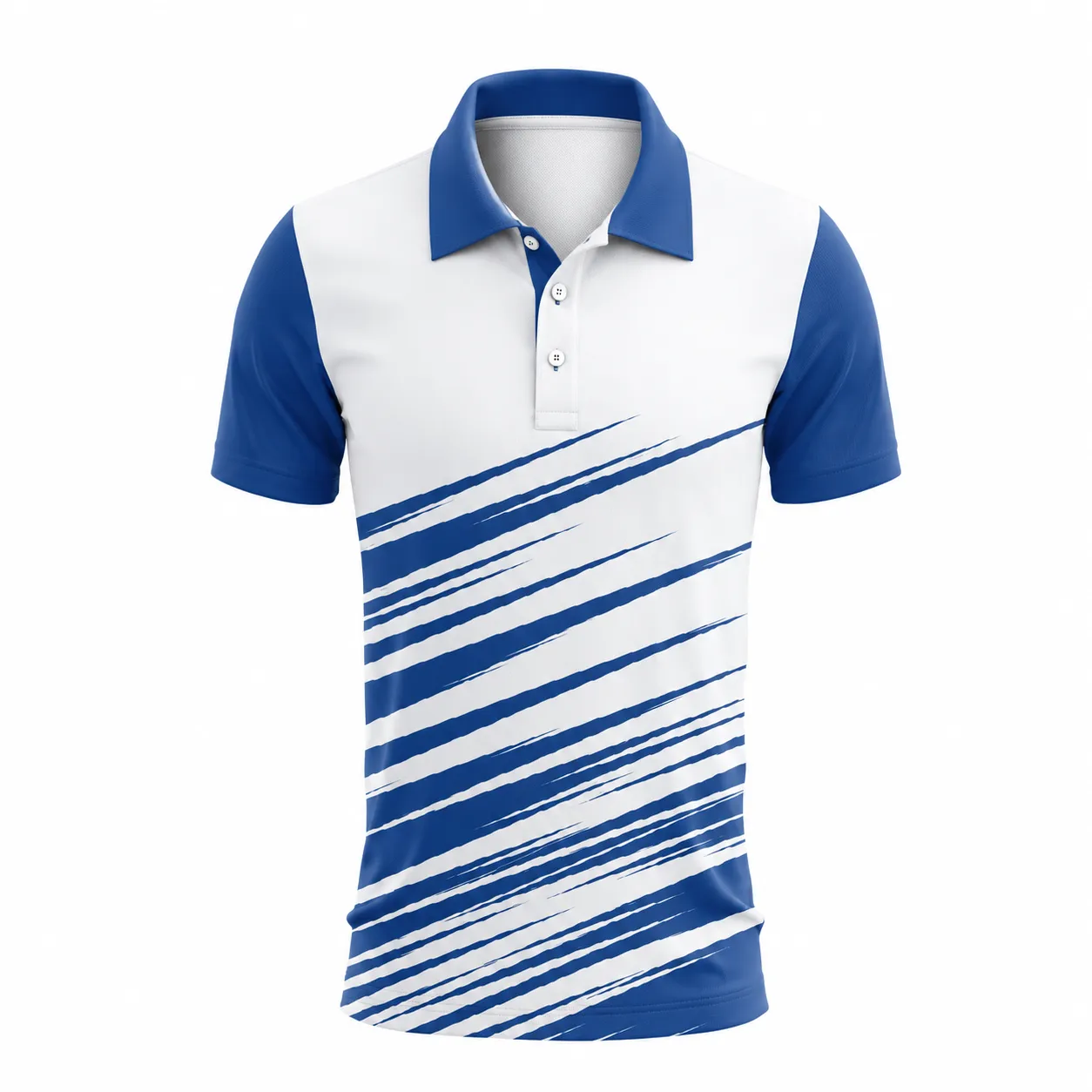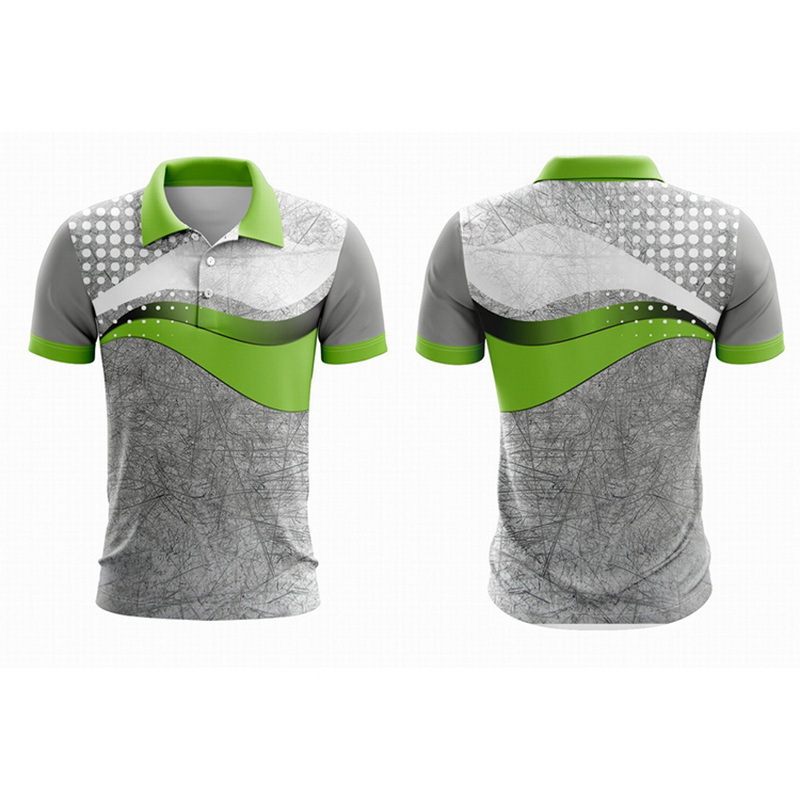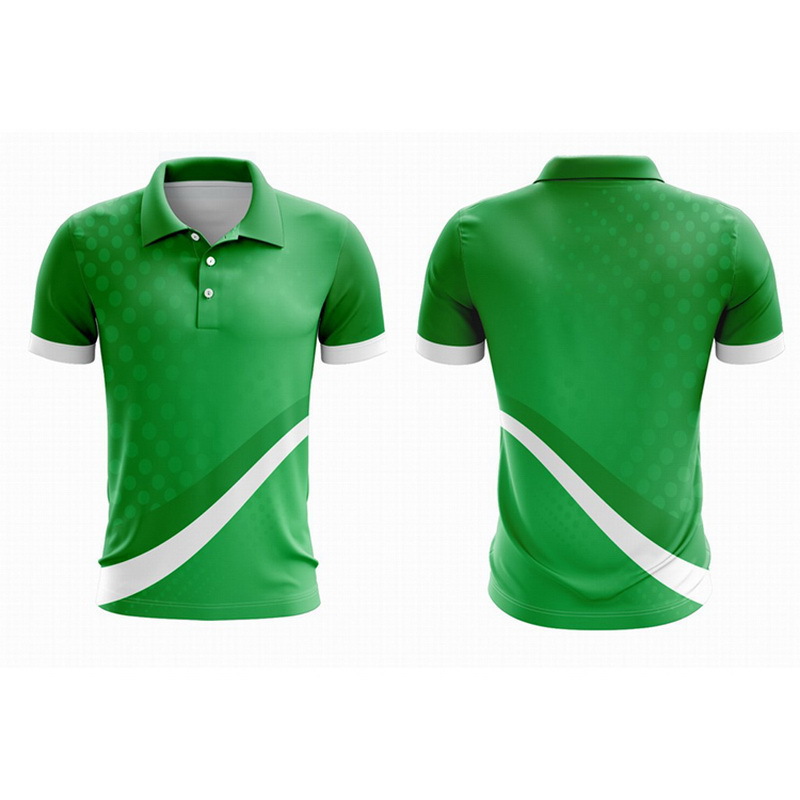
 Tshirt
 Custom Hoodie & Sweat
 Custom Bags
 Flag
Flag
 Towel
Towel
 Custom Scarf
 Cap
Cap

.jpeg)
.webp)
.webp)
.webp)
The landscape of political merchandise is undergoing a profound transformation as campaigns recognize the untapped potential of custom apparel beyond traditional fundraising. What was once limited to basic bumper stickers and yard signs has evolved into a sophisticated ecosystem of wearable technology, sustainable fashion, and hyper-targeted messaging. As an established OEM t-shirt manufacturer specializing in political apparel, Gahumi is at the forefront of these innovations, helping campaigns leverage cutting-edge merchandising strategies that resonate with modern voters. This comprehensive analysis explores the emerging trends shaping the future of political merchandise and provides strategic insights for campaigns preparing for the next election cycle.
The Evolving Value Proposition of Custom Election Apparel
Strategic Brand Amplification and Organic Reach
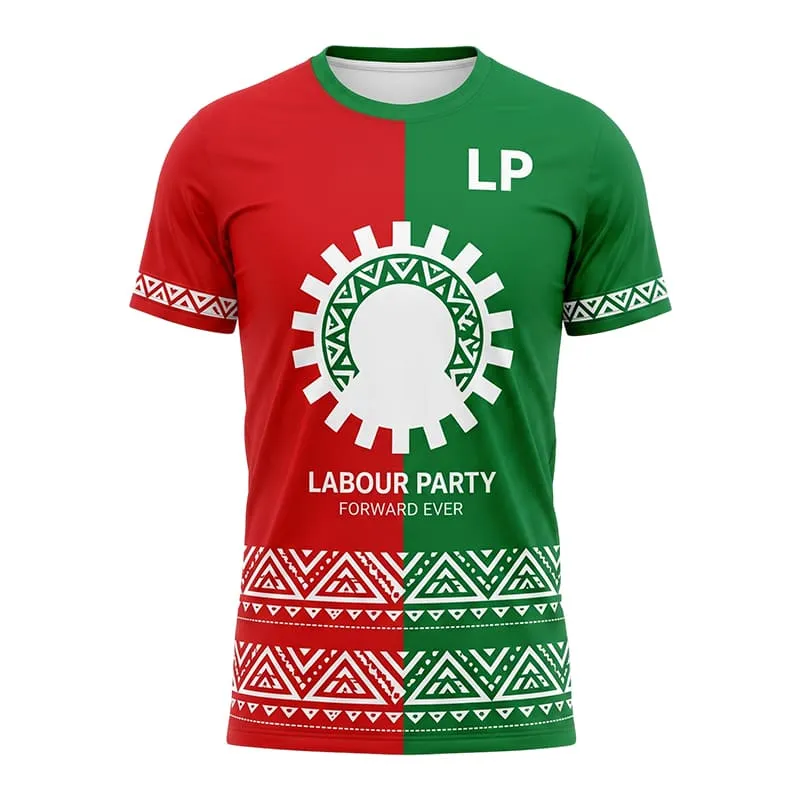
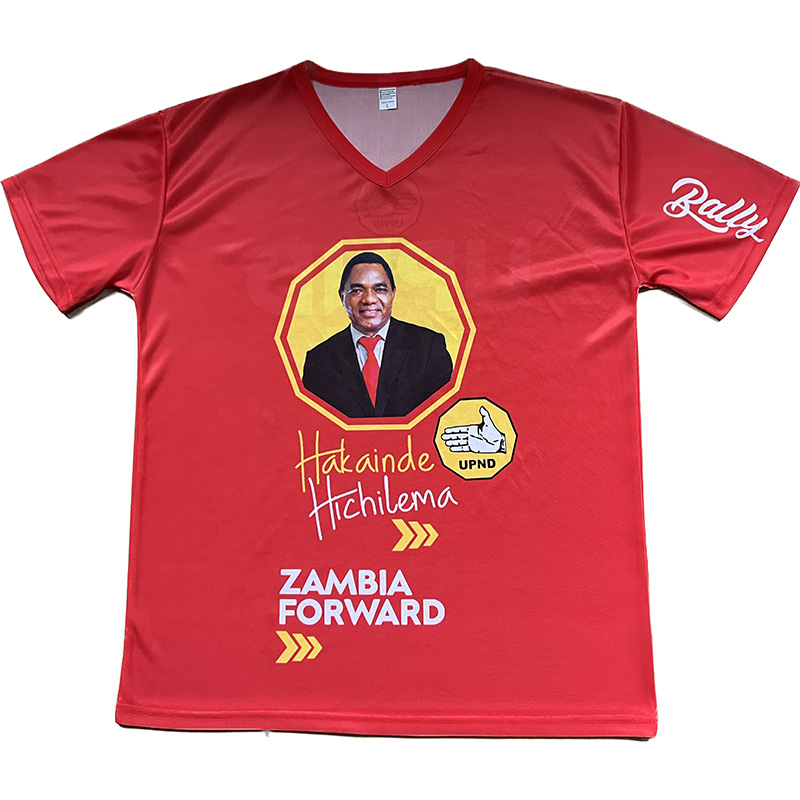
Modern political apparel has transcended its traditional role to become a dynamic marketing asset that operates across multiple dimensions of voter engagement. Today's custom election wear functions as what marketing experts call "ambient advertising"—constantly present in the background of voters' daily lives without the intrusive quality of digital ads or telemarketing. The sophisticated voter of tomorrow expects merchandise that aligns with their personal style while authentically representing campaign values. This requires manufacturers to master the delicate balance between brand consistency and wearable fashion, creating apparel that supporters feel proud to wear in non-political contexts. The most successful future campaigns will treat their merchandise not as ancillary products but as core components of their communication strategy, with each garment serving as a tactile representation of the campaign's identity and values.
Data Generation and Voter Insights
Beyond their visible marketing function, custom election apparel is becoming a crucial source of voter intelligence and engagement metrics. Smart campaigns are beginning to track merchandise sales and preferences with the same analytical rigor applied to digital advertising. Geographic distribution patterns of apparel sales can reveal unexpected strongholds and identify areas needing additional outreach. Design preferences across demographic segments provide invaluable insights into which messages and aesthetics resonate with specific voter groups. The emerging practice of "merchandise analytics" allows campaigns to test messaging, gauge supporter enthusiasm, and refine outreach strategies based on real-world response to physical products. This data-rich approach transforms simple apparel sales into a continuous feedback mechanism that informs broader campaign strategy.
Emerging Trends Shaping Political Merchandise
Sustainable and Ethical Manufacturing
The next generation of political merchandise will be defined by its environmental credentials and ethical production standards. Environmentally conscious voters increasingly expect campaigns to practice what they preach, making sustainable apparel choices a tangible demonstration of commitment to environmental values. Forward-thinking campaigns are moving beyond basic organic cotton to explore innovative materials like recycled polyester from plastic bottles, Tencel lyocell, and even biodegradable fabrics. The manufacturing process itself is coming under scrutiny, with campaigns seeking partners who utilize water-saving techniques, solar-powered facilities, and closed-loop production systems. This trend extends beyond materials to encompass full supply chain transparency, where voters can trace the journey of their merchandise from raw material to finished product, verifying ethical labor practices and environmental stewardship at each stage.
Technology Integration and Smart Apparel
The convergence of physical merchandise and digital technology represents the most transformative trend in political apparel. We're moving toward what industry experts term "phygital" merchandise—garments that seamlessly bridge physical and digital campaigning. QR codes are evolving into sophisticated digital gateways that connect wearers with exclusive content, virtual events, and interactive policy platforms. Near Field Communication (NFC) technology embedded in garments enables even more seamless interactions, allowing supporters to access campaign resources with a simple tap of their smartphone. The most advanced prototypes incorporate augmented reality triggers that bring designs to life through smartphone cameras, creating immersive experiences that deepen engagement. These technological enhancements transform static apparel into dynamic touchpoints that continue to deliver value long after the initial transaction.
Hyper-Personalization and Micro-Targeting
The era of mass-produced, one-size-fits-all campaign merchandise is giving way to highly personalized apparel strategies that target specific voter segments with precision. Advanced manufacturing technologies now enable cost-effective production of limited-run designs for particular demographic groups, geographic regions, or even individual events. This hyper-personalization extends to custom sizing, exclusive colorways for major donors, and location-specific designs that create local relevance. The most sophisticated campaigns are leveraging data analytics to create merchandise collections that speak directly to the concerns and identities of micro-targeted voter segments. This trend represents a fundamental shift from merchandise as general branding to apparel as personalized political expression, creating deeper emotional connections through relevance and exclusivity.
Experiential and Transformative Designs
Future political merchandise will increasingly focus on creating memorable experiences rather than simply displaying logos and slogans. Campaigns are exploring interactive designs that incorporate thermochromic inks (which change color with body heat), glow-in-the-dark elements for evening visibility, and even embedded audio technology that plays campaign messages. The concept of "transformative merchandise"—apparel that evolves or reveals new messages through interaction—represents the cutting edge of political branding. These experiential elements create talking points, encourage social sharing, and transform passive wearers into active participants in the campaign narrative. The most successful future designs will be those that create shareable moments and personal stories, leveraging the psychological principle that experiences generate more lasting engagement than possessions.
The Next-Generation Custom T-Shirt Manufacturing Process
AI-Enhanced Design and Predictive Analytics
The manufacturing journey for political apparel is being revolutionized by artificial intelligence and machine learning algorithms. Advanced design platforms can now analyze historical campaign data, current social media trends, and demographic information to generate design recommendations with proven appeal to target voter segments. These AI systems can predict color preferences, typography effectiveness, and even messaging resonance based on vast datasets of voter behavior. The sampling process is being transformed through virtual prototyping and 3D modeling, allowing campaigns to visualize and refine designs without physical waste. This data-driven approach to design development represents a quantum leap from the intuition-based methods of the past, enabling campaigns to create merchandise with mathematically optimized appeal to their specific constituencies.
On-Demand Production and Supply Chain Agility
The traditional model of mass production and inventory storage is being replaced by flexible, responsive manufacturing systems that can adapt to campaign needs in real-time. Print-on-demand technology has evolved to support complex customization at scale, allowing campaigns to test multiple designs with minimal financial risk. Advanced manufacturing partners like Gahumi maintain "virtual inventory" of popular blank garments, enabling rapid production when demand spikes occur. The most sophisticated systems incorporate real-time sales data from multiple channels, automatically triggering production to replenish stock based on actual movement. This agile approach minimizes waste, reduces capital tied up in inventory, and ensures campaigns can respond instantly to breaking news or opponent missteps with relevant merchandise.
Integrated Quality Assurance and Compliance
As political merchandise becomes more technologically sophisticated, quality assurance processes are evolving to encompass both physical durability and digital functionality. Next-generation quality control includes testing QR code readability across different lighting conditions, verifying NFC chip performance after multiple washes, and ensuring specialty inks maintain their properties through extended wear. Compliance tracking has expanded to include environmental certifications, labor practice verification, and material composition transparency. The manufacturing process now incorporates blockchain technology for supply chain verification, allowing campaigns to provide irrefutable proof of their ethical and sustainable claims. This comprehensive approach to quality and compliance reflects the increasing scrutiny that campaigns face regarding their operational practices and environmental impact.
Strategic Implementation Framework
Measurement and Optimization Framework
The sophistication of future political merchandise requires equally sophisticated measurement frameworks to evaluate performance and guide optimization. Beyond simple sales metrics, successful campaigns will track merchandise-driven voter registration, donation conversion rates from QR code interactions, and social media amplification generated by wearable content. A/B testing of designs, messaging, and placement will become standard practice, with results feeding back into the creative process. The most advanced programs will implement cohort analysis to understand long-term engagement of merchandise purchasers compared to other supporter segments. This data-driven approach ensures that merchandise strategies evolve based on empirical evidence rather than assumptions, maximizing both financial return and organizational impact.
Frequently Asked Questions (FAQ)
Q1: What emerging technology will have the biggest impact on political merchandise?
A1: NFC (Near Field Communication) technology represents the most significant advancement, enabling seamless digital integration through simple smartphone taps. This technology transforms static apparel into interactive touchpoints that can update content throughout the campaign, providing lasting value and engagement opportunities far beyond election day.
Q2: How can campaigns balance sustainability with cost considerations?
A2: Through strategic material selection and production planning. We help campaigns implement tiered merchandise programs that combine premium sustainable options for donors with cost-effective solutions for mass distribution. Our manufacturing efficiencies and bulk purchasing power make sustainable choices increasingly accessible across price points.
Q3: What is the minimum quantity for testing new merchandise concepts?
A3: Advanced print-on-demand technology now enables concept testing with as few as 1000 units per design. This allows campaigns to validate appeal and messaging effectiveness before committing to large-scale production, significantly reducing financial risk while providing valuable voter insight.
Q4: How are customization capabilities evolving for political apparel?
A4: We're moving toward true mass customization, where supporters can personalize designs through web interfaces that connect directly to our production systems. This includes custom color options, localized messaging, and even individualized elements while maintaining brand consistency through predefined parameters.
Q5: What data should campaigns track to measure merchandise success?
A5: Beyond sales revenue, track merchandise-attributed donor acquisition, social media mentions featuring apparel, geographic concentration of sales, and repeat purchase rates. These metrics provide a comprehensive view of how merchandise contributes to both fundraising and broader campaign objectives.
Q6: How far in advance should campaigns plan their merchandise strategy?
A6: We recommend initial planning 6-8 months before major campaigning begins, with flexibility built in for responsive designs. This allows for thorough concept development, material sourcing, and production setup while reserving capacity for rapid response to campaign developments and opponent vulnerabilities.

.png)