 Tshirt
 Custom Hoodie & Sweat
 Custom Bags
 Flag
Flag
 Towel
Towel
 Custom Scarf
 Cap
Cap

.webp)
.webp)
.webp)
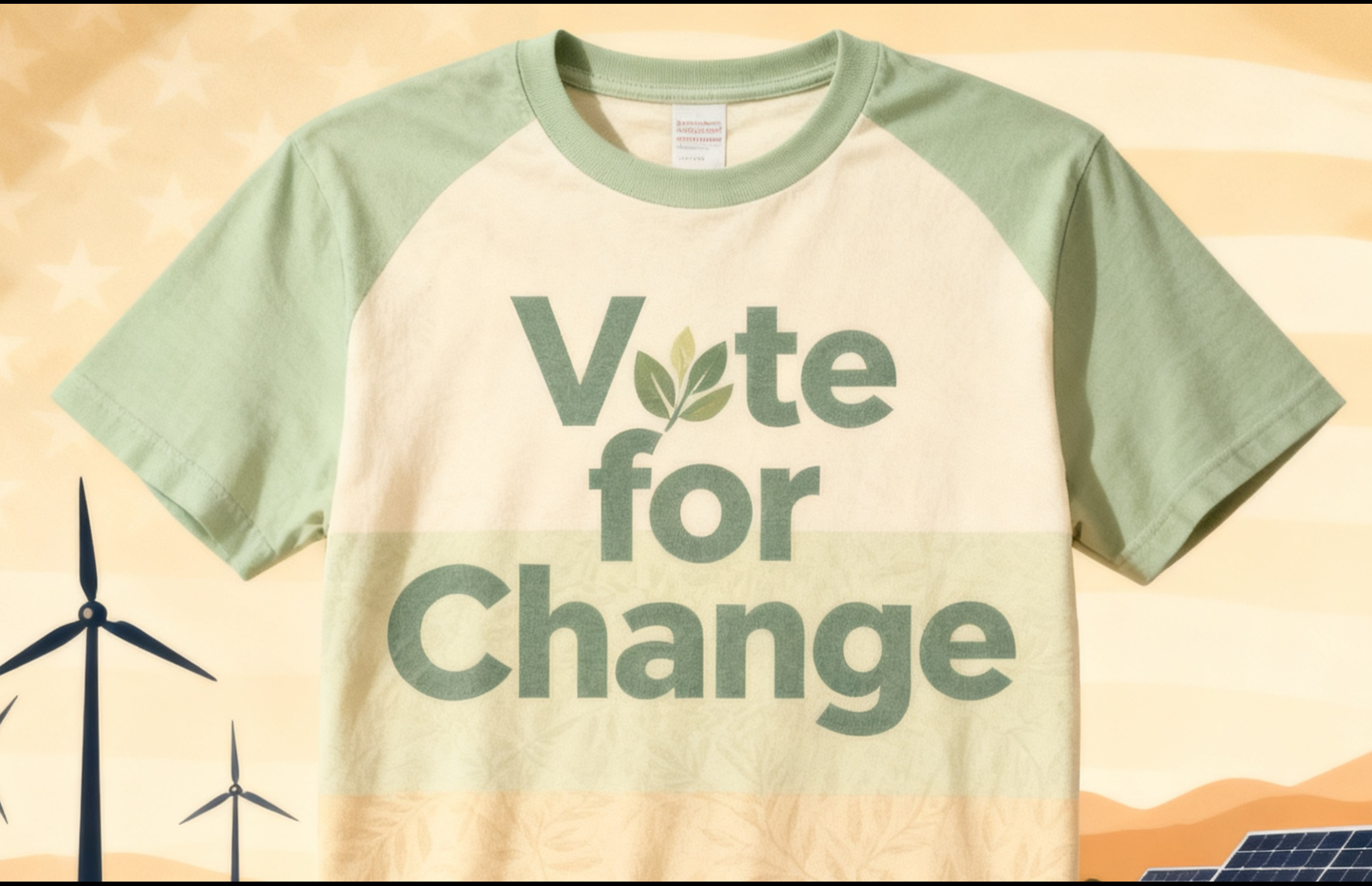
In today's politically conscious landscape, sustainability has evolved from a niche concern to a mainstream expectation, particularly among younger voters who prioritize environmental responsibility. The campaign merchandise industry is undergoing a significant transformation as candidates recognize that their operational choices—including apparel production—must align with their environmental platforms. As an established OEM t-shirt manufacturer specializing in sustainable solutions, Gahumi provides comprehensive guidance for campaigns seeking to implement genuinely eco-friendly merchandise strategies that resonate with modern voters while maintaining practical campaign effectiveness.
The Strategic Value of Sustainable Campaign Apparel
Authentic Brand Alignment and Voter Trust
Sustainable election merchandise represents far more than environmental compliance—it embodies a campaign's commitment to practicing the values it promotes. In an era of increased voter skepticism, authentic alignment between campaign rhetoric and operational choices builds crucial trust and credibility. When campaigns choose eco-friendly campaign merchandise, they demonstrate tangible commitment to environmental stewardship that resonates particularly strongly with millennial and Gen Z voters, who consistently rank climate change among their top political concerns. This alignment extends beyond mere symbolism, as sustainable apparel choices reduce the campaign's environmental footprint while creating merchandise that supporters can wear with genuine pride, knowing their purchase supports responsible manufacturing practices. The authenticity of these choices becomes particularly significant when contrasted with campaigns that merely pay lip service to environmental concerns without implementing substantive operational changes.
Enhanced Perceived Value and Long-Term Utility
Sustainable apparel inherently carries higher perceived value that justifies premium pricing while encouraging longer product lifespans. Voters recognize that organic cotton political apparel and garments made from recycled materials represent higher quality investments than conventional alternatives, making them more likely to retain and repeatedly wear these items throughout and beyond the election cycle. This extended utility transforms sustainable campaign shirts from disposable promotional items into lasting brand assets that continue generating visibility long after election day. The superior comfort and durability of sustainable fabrics further enhance this long-term value proposition, creating merchandise that supporters genuinely want to incorporate into their regular wardrobe rotation rather than relegating to occasional campaign events. This ongoing visibility provides extended marketing value that conventional campaign merchandise rarely achieves.
Future Trends in Sustainable Political Merchandising
Circular Economy Integration and End-of-Life Planning
The future of sustainable campaigning lies in embracing circular economy principles that prioritize resource efficiency and waste reduction throughout the product lifecycle. Forward-thinking campaigns are beginning to implement take-back programs that reclaim merchandise after the election cycle for repurposing or responsible recycling, thus preventing these materials from entering landfills. Some innovative campaigns are experimenting with rental systems for high-quality sustainable apparel used by staff and volunteers, significantly reducing the per-wear environmental impact while maintaining professional presentation. The most advanced approaches incorporate designs using modular elements that can be updated for subsequent campaigns, creating truly multi-election assets that evolve rather than becoming obsolete. These circular strategies represent the next frontier in political sustainability, moving beyond material selection to encompass comprehensive lifecycle management.
Transparency and Supply Chain Traceability
Modern voters increasingly demand transparency regarding the origins and production conditions of campaign merchandise, driving a trend toward radical supply chain visibility. Campaigns that provide verifiable information about their apparel's journey—from raw material sourcing through manufacturing and distribution—build trust through demonstrated accountability. Blockchain technology is emerging as a powerful tool for this purpose, enabling immutable tracking of sustainable credentials that voters can verify independently. This transparency extends beyond environmental factors to encompass social responsibility, including fair labor practices and safe working conditions throughout the supply chain. The campaigns that embrace this comprehensive transparency will increasingly distinguish themselves in crowded political marketplaces, particularly among voters who view supply chain ethics as inseparable from environmental responsibility.
Sustainable Material Selection for Campaign Apparel
Recycled Polyester and Post-Consumer Materials
Recycled materials, particularly recycled polyester derived from post-consumer plastic bottles, offer campaigns powerful sustainability stories while addressing the global plastic waste crisis. The transformation of discarded plastic into high-quality campaign apparel creates tangible connections between environmental cleanup efforts and daily political expression. Recycled polyester requires significantly less energy and water to produce than virgin polyester while diverting plastic waste from oceans and landfills. For campaigns operating in cooler climates or requiring performance characteristics, recycled polyester blends offer durable, moisture-wicking properties with substantially reduced environmental impact. These materials allow campaigns to demonstrate innovative approaches to waste reduction while providing functional apparel options suitable for active volunteer work and varied campaign conditions.
Hemp, Bamboo, and Alternative Fibers
Beyond conventional sustainable materials, innovative natural fibers like hemp and bamboo offer compelling environmental benefits for campaigns seeking to distinguish their sustainability credentials. Hemp cultivation requires minimal water and no pesticides while improving soil health through natural weed suppression and biodiversity enhancement. Bamboo grows rapidly without agricultural chemicals and can be processed into exceptionally soft, breathable fabrics ideal for comfortable campaign wear. These alternative fibers provide talking points that demonstrate a campaign's commitment to exploring beyond mainstream sustainability solutions. While currently representing a smaller segment of the sustainable apparel market, these materials offer campaigns distinctive environmental stories that resonate with voters interested in innovative ecological solutions and comprehensive sustainability approaches.
Eco-Friendly Customization and Printing Methods
Water-Based and Discharge Printing Technologies
Traditional plastisol printing relies on PVC-based inks containing phthalates and requires chemical cleanup processes, making the transition to green printing methods essential for comprehensive campaign sustainability. Water-based printing eliminates these concerns by using pigments suspended in water-based solutions that penetrate fabric fibers rather than sitting on top, creating breathable prints with minimal environmental impact. Discharge printing represents an even more advanced approach, removing existing garment dye rather than adding layers of ink, resulting in incredibly soft prints that become part of the fabric itself. These methods significantly reduce the chemical footprint of apparel customization while often producing superior hand feel that enhances wearer comfort. The muted, vintage appearance of discharge printing particularly aligns with certain campaign aesthetics while delivering uncompromising sustainability credentials.
Digital Printing and Reduced Waste Production
Digital direct-to-garment (DTG) printing offers environmental advantages through precise ink application and reduced setup waste compared to traditional screen printing. DTG printers apply ink only where needed, eliminating the water and chemical consumption associated with screen reclaiming while avoiding the plastic film waste generated during screen production. This method excels at producing small batches and complex designs without the minimum quantity requirements of traditional printing, allowing campaigns to test designs before committing to large production runs. The reduced waste profile of digital printing aligns with lean campaign principles that prioritize resource efficiency while maintaining design flexibility. For campaigns requiring photographic-quality imagery or intricate multicolor designs, digital printing provides both environmental and creative advantages that complement other sustainable customization approaches.
Sustainable Manufacturing Process and Supply Chain
Energy-Efficient Production and Carbon Reduction
Comprehensive campaign sustainability extends beyond material selection to encompass manufacturing energy sources and production efficiency. Leading OEM t-shirt manufacturers now implement renewable energy solutions like solar and wind power to reduce the carbon footprint of apparel production. Energy-efficient machinery, optimized production scheduling, and waste heat recapture systems further minimize environmental impact while maintaining quality standards. Some manufacturers offer carbon-neutral production through verified offset programs, providing campaigns with complete solutions for minimizing their merchandise carbon footprint. These manufacturing approaches demonstrate that environmental responsibility permeates the entire production process, not just the materials used, offering campaigns opportunities to showcase comprehensive sustainability commitments to increasingly discerning voters.
Ethical Labor Practices and Social Responsibility
True sustainability encompasses social dimensions alongside environmental concerns, making ethical manufacturing practices an essential component of responsible campaign merchandising. Certified ethical production facilities ensure safe working conditions, fair wages, and reasonable working hours throughout the supply chain, aligning campaign merchandise with broader social values. These ethical considerations resonate particularly strongly with voters who view workers' rights as inseparable from environmental responsibility. The transparency afforded by ethical manufacturing certifications provides campaigns with verifiable evidence of their commitment to comprehensive sustainability principles. In an era of increased supply chain scrutiny, these social responsibility aspects complement environmental credentials to create holistic sustainability narratives that withstand voter examination.
Implementation Strategy for Sustainable Campaign Merchandise
Budget Allocation and Cost Management
While sustainable apparel typically carries a 15-30% price premium over conventional alternatives, strategic budget allocation can mitigate financial impact while maximizing environmental benefits. Campaigns can implement tiered merchandise strategies that position premium sustainable options for donor recognition and staff apparel while utilizing more accessible sustainable materials for general volunteer distribution. Phased implementation approaches allow campaigns to introduce sustainable options gradually as fundraising permits, demonstrating commitment to continuous environmental improvement. The enhanced perceived value of sustainable merchandise often justifies slightly higher pricing that can partially offset cost differences while potentially increasing per-item revenue. These strategic approaches make sustainable merchandising accessible across varying campaign budget levels while maintaining environmental principles.
Messaging Integration and Voter Education
Sustainable merchandise achieves maximum impact when integrated with broader campaign environmental messaging and supported by clear voter education. Campaigns should articulate their sustainable merchandise choices as examples of their commitment to operationalizing environmental values, connecting specific material selections to broader policy positions. Tags, packaging, and promotional materials should explain the environmental benefits of chosen materials and production methods, helping voters understand the significance behind sustainable choices. Digital content can showcase the manufacturing process and sustainability certifications, building trust through transparency. This educational approach transforms merchandise from mere promotional items into tangible demonstrations of campaign values that reinforce environmental messaging at every wearing.
Frequently Asked Questions (FAQ)
Q1: Are sustainable t-shirts significantly more expensive than conventional options?
A1: Sustainable t-shirts typically carry a 15-30% premium due to certified materials and ethical production costs. However, strategic tiering—using premium sustainable options for donors and accessible alternatives for volunteers—makes implementation feasible across budget levels while demonstrating environmental commitment.
Q2: How can we verify the sustainability claims of campaign merchandise?
A2: Reputable manufacturers provide third-party certifications including GOTS (Global Organic Textile Standard), OCS (Organic Content Standard), and RCS (Recycled Claim Standard). These verifiable certifications ensure claims regarding organic content and recycled materials meet international standards, preventing greenwashing accusations.
Q3: Do sustainable printing methods compromise design quality or durability?
A3: Modern sustainable printing methods often surpass conventional alternatives in both quality and durability. Water-based and discharge printing create softer, more breathable prints that become part of the fabric rather than sitting on top, enhancing both comfort and longevity while reducing environmental impact.
Q4: What happens to unsold sustainable campaign merchandise after the election?
A4: We recommend planning for end-of-life management during initial ordering. Options include strategic limited production, donation to appropriate organizations, or implementing take-back programs for recycling into new products. Some campaigns successfully remarket merchandise as collector's items supporting future political efforts.
Q5: Can sustainable t-shirts withstand the demands of active campaign use?
A5: High-quality sustainable materials often outperform conventional alternatives in durability testing. Organic cotton develops greater strength over time, while recycled polyester blends offer exceptional tear resistance and color retention, making them ideal for the rigorous demands of campaign activities.
Q6: How far in advance should we plan sustainable merchandise production?
A6: Sustainable manufacturing requires additional lead time of approximately 10-15% compared to conventional production due to specialized material sourcing and certification processes. We recommend initiating the process 10-12 weeks before major campaign events to ensure optimal selection and timely delivery.

.png)