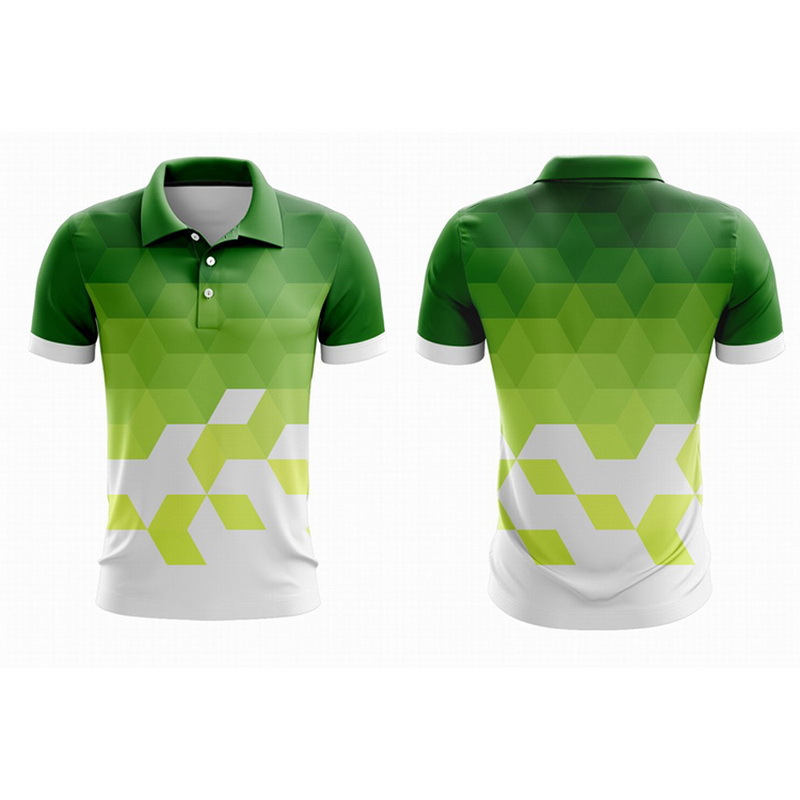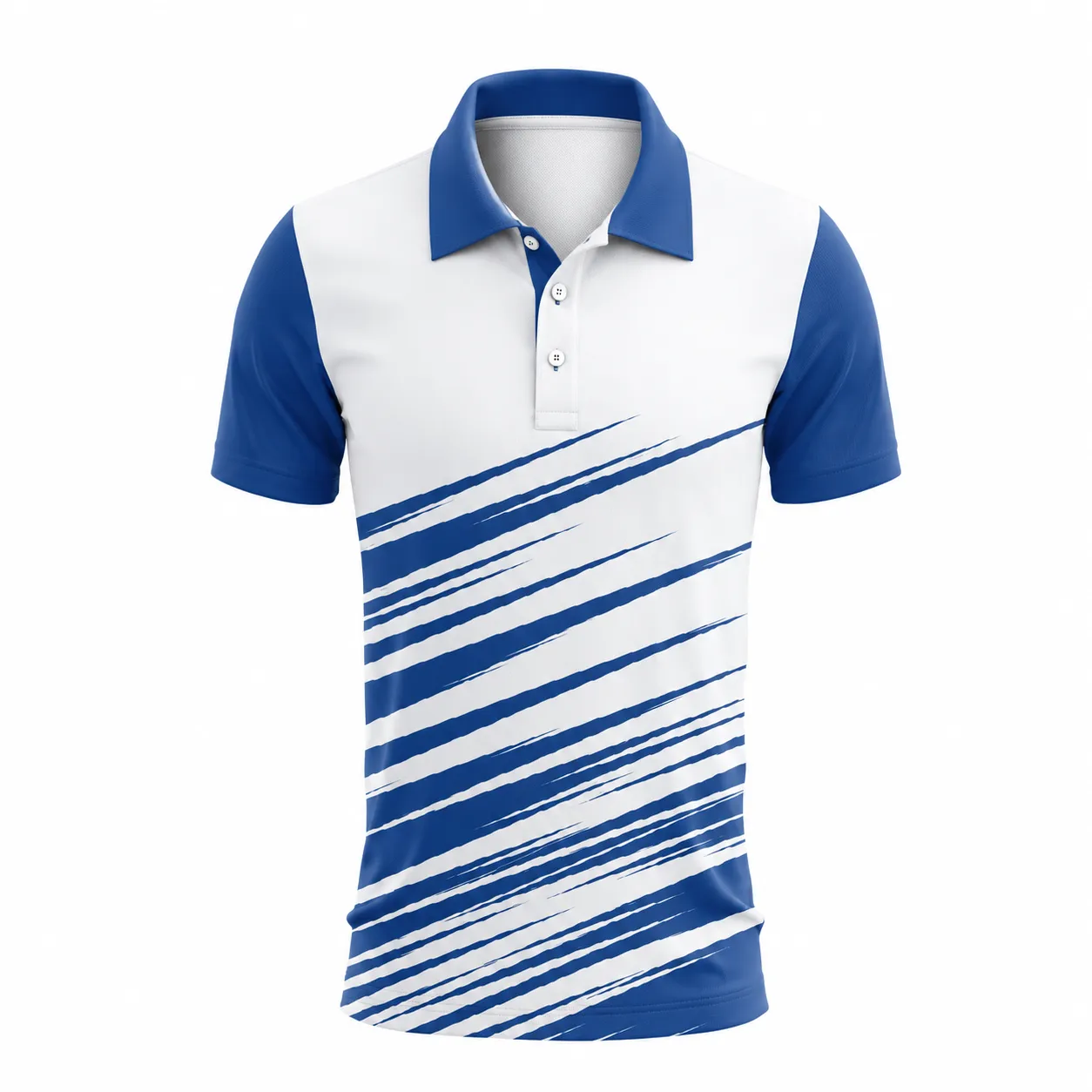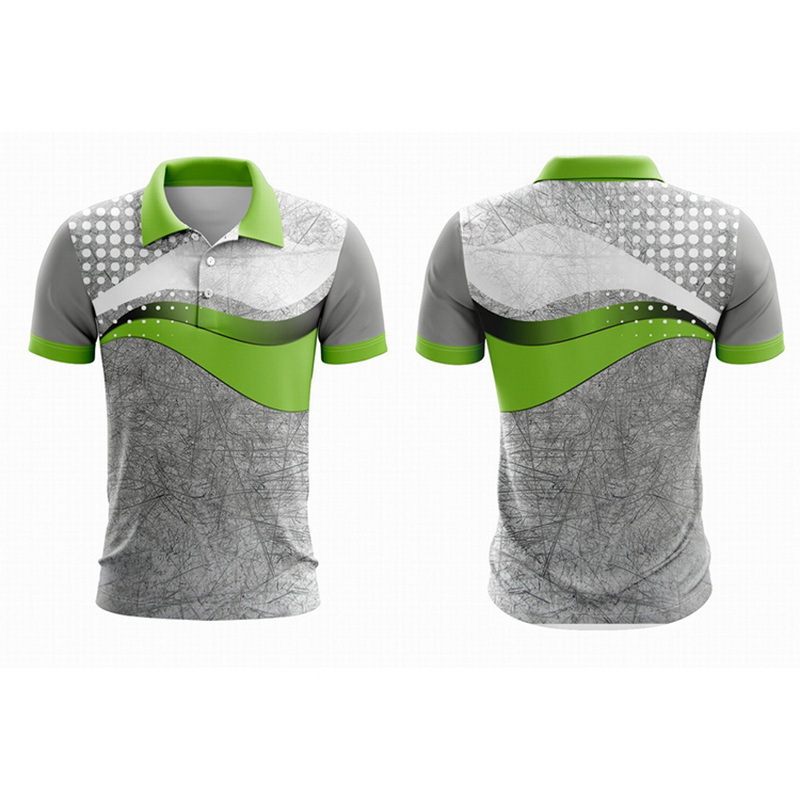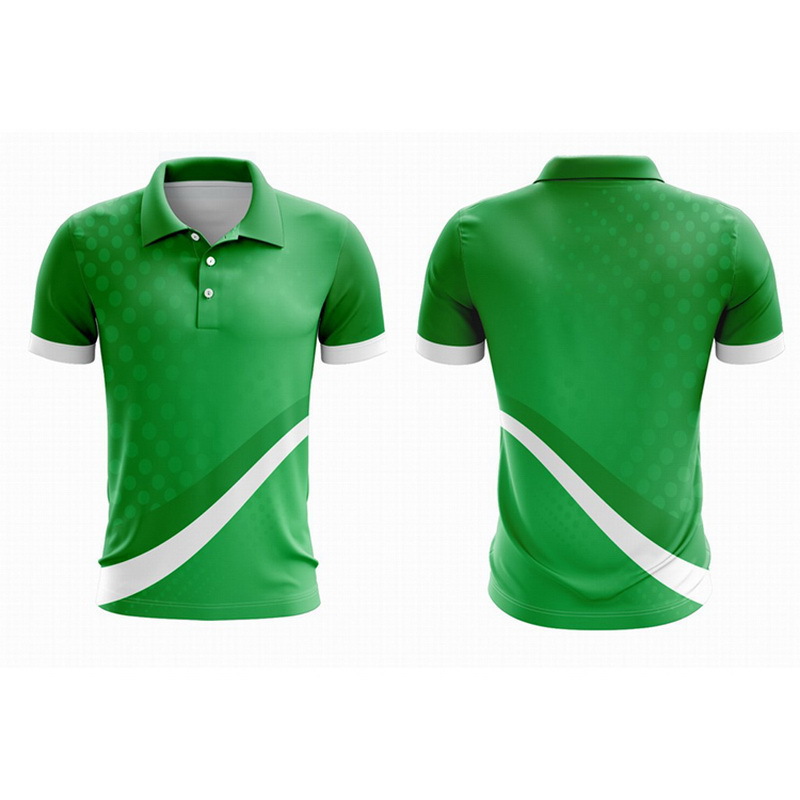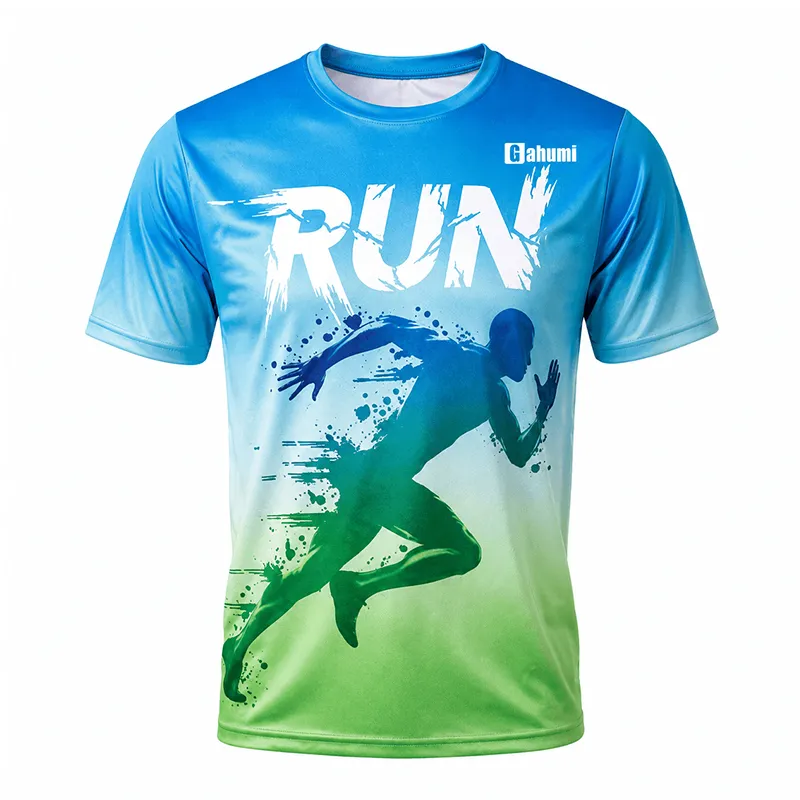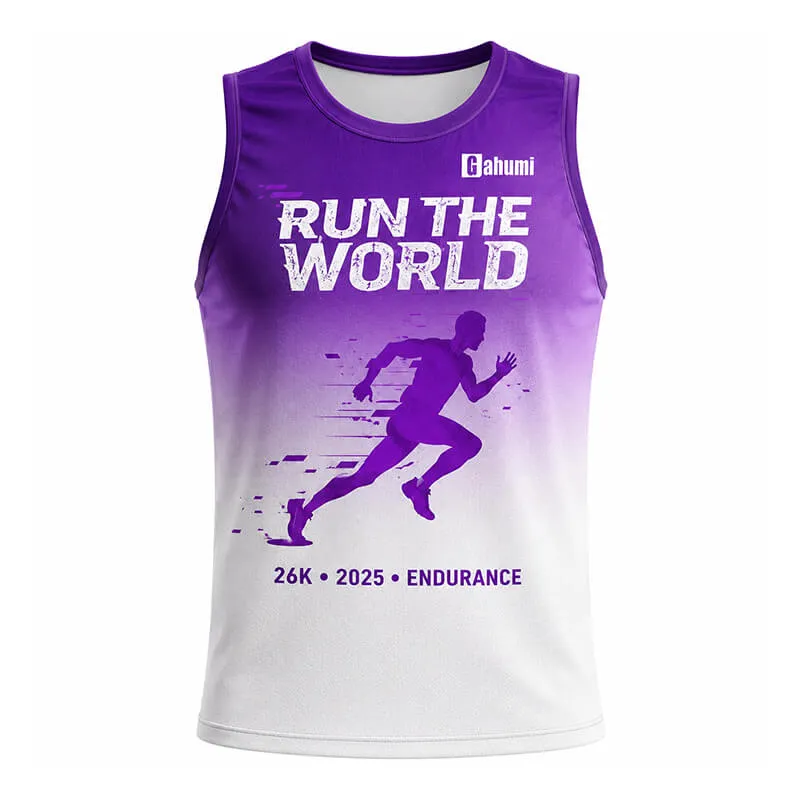
 Tshirt
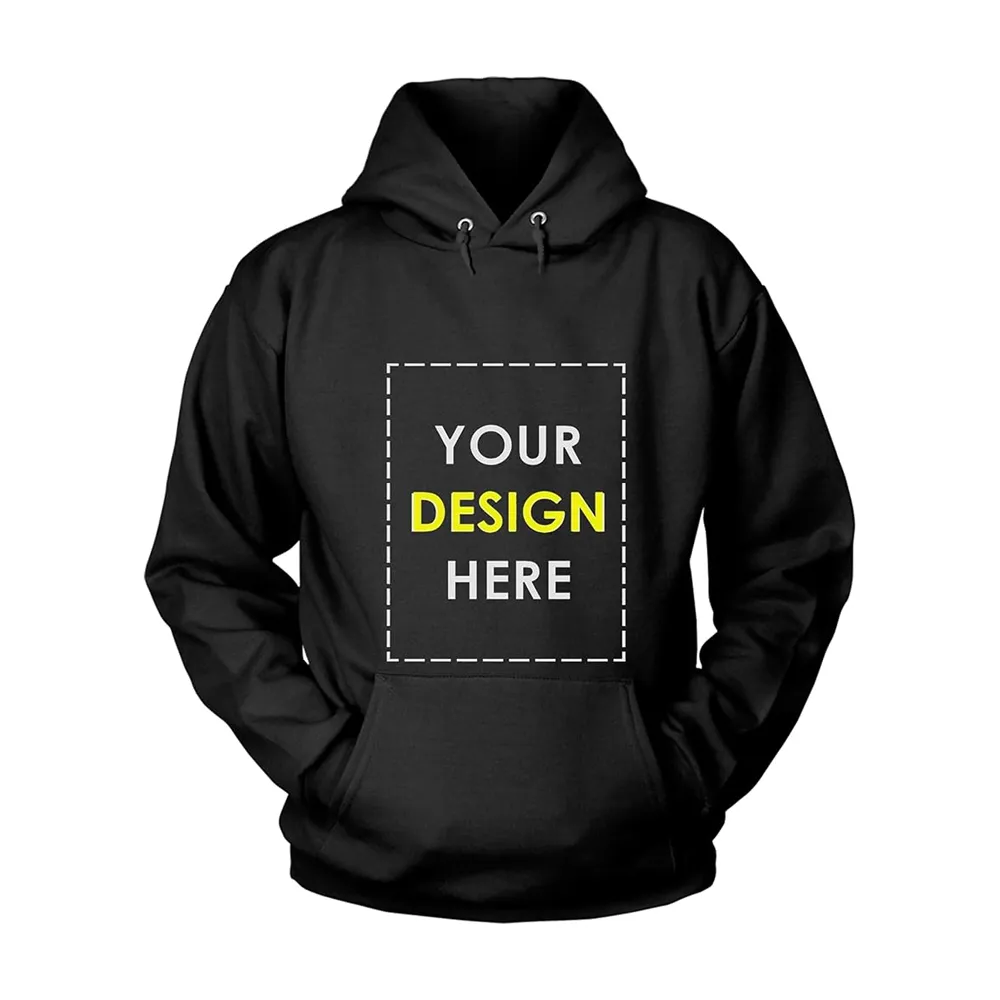 Custom Hoodie & Sweat
 Custom Bags
 Flag
Flag
 Towel
Towel
 Custom Scarf
 Cap
Cap

.webp)
.webp)
.webp)
In today’s competitive global market, brands increasingly rely on textile OEM (Original Equipment Manufacturer) factories to scale production, reduce costs, and deliver high-quality products to consumers. However, navigating the complexities of selecting and collaborating with an OEM partner can be daunting—especially for brands aiming to maintain brand integrity while meeting market demands. This guide aims to demystify the process, offering actionable insights into identifying, evaluating, and partnering with a textile OEM factory that aligns with your brand’s vision, quality standards, and business goals. By focusing on key industry trends, best practices, and pitfalls to avoid, this resource empowers brands to make informed decisions and forge long-term, mutually beneficial relationships with trusted manufacturing partners like Gahumi.
Why Partner with a Textile OEM Factory?
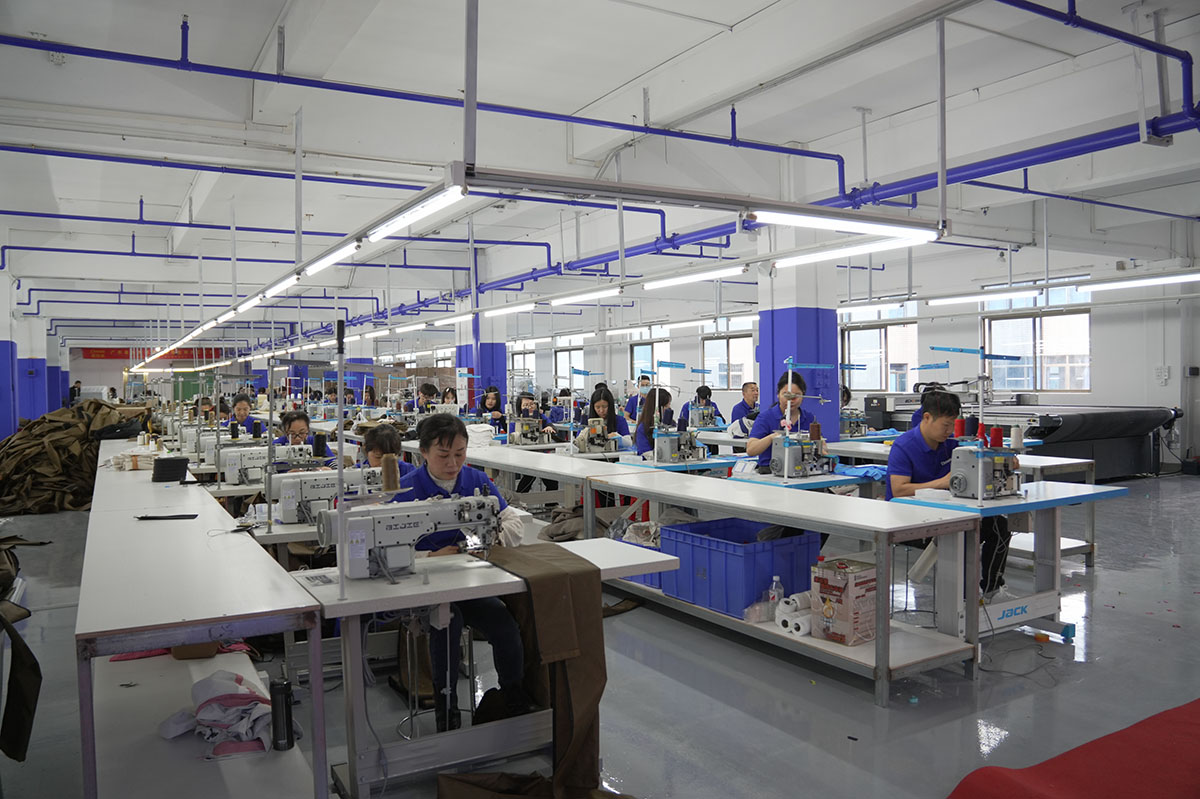
The decision to outsource production to an OEM factory is a strategic move for brands seeking scalability, cost efficiency, and access to specialized expertise. For instance, a brand launching a limited-edition apparel line may partner with an OEM to leverage advanced printing technologies or sustainable materials without investing in in-house infrastructure. Textile OEMs like Gahumi, with over 30 years of experience, offer end-to-end solutions—from design and prototyping to bulk production and logistics—enabling brands to focus on marketing and customer engagement.
Key Takeaway: Partnering with an OEM factory allows brands to tap into specialized skills, reduce overhead costs, and accelerate time-to-market.
Industry Keywords: Textile OEM, Custom Clothing Manufacturing, Private Label Apparel
How to Choose the Right Textile OEM Factory
Selecting the right OEM partner is critical to your brand’s success. Here’s a step-by-step framework:Define Your Requirements:
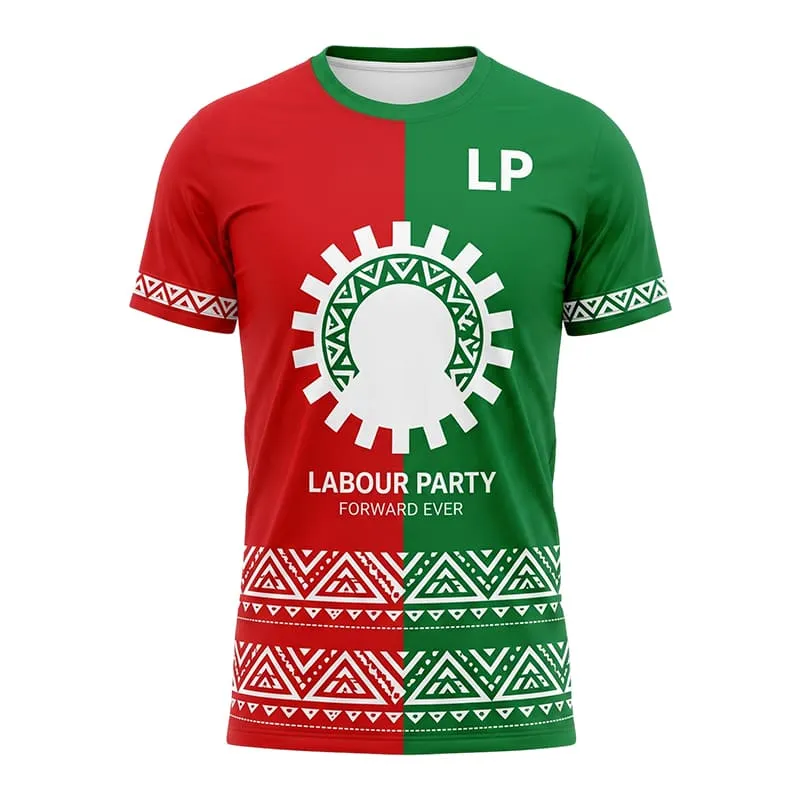
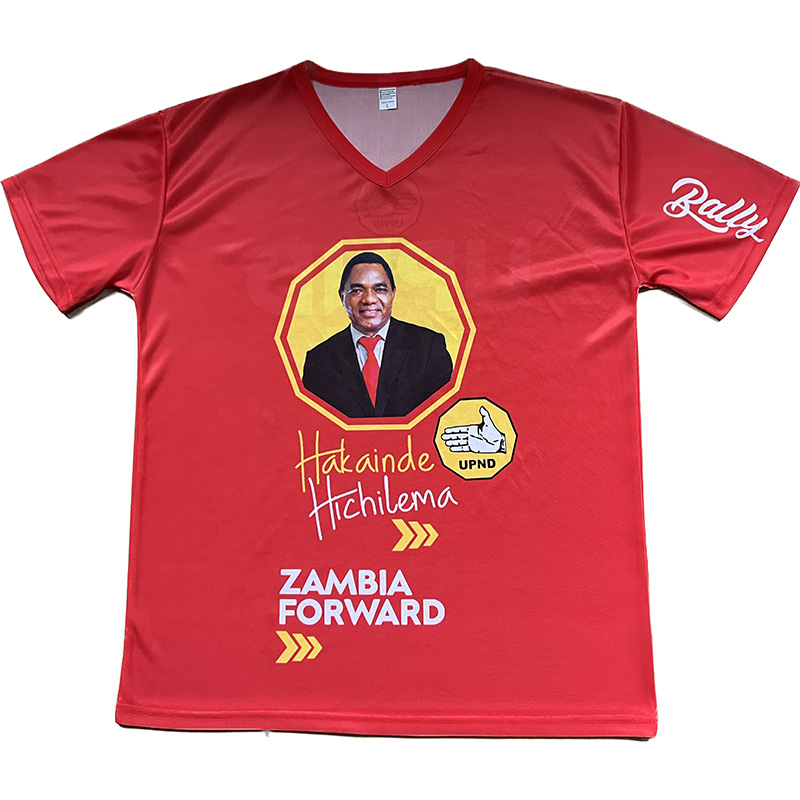
Clarify your product specifications (e.g., fabric type, printing methods, design complexity) and business goals (e.g., scalability, sustainability). Gahumi’s diverse product portfolio—including fabric printing, canvas bags, and election accessories—caters to a wide range of needs.
Evaluate Experience and Expertise:
Look for factories with a proven track record in your niche. Gahumi’s 30+ years in the industry and ISO 9001 certification demonstrate reliability and adherence to global standards.
Assess Production Capabilities:
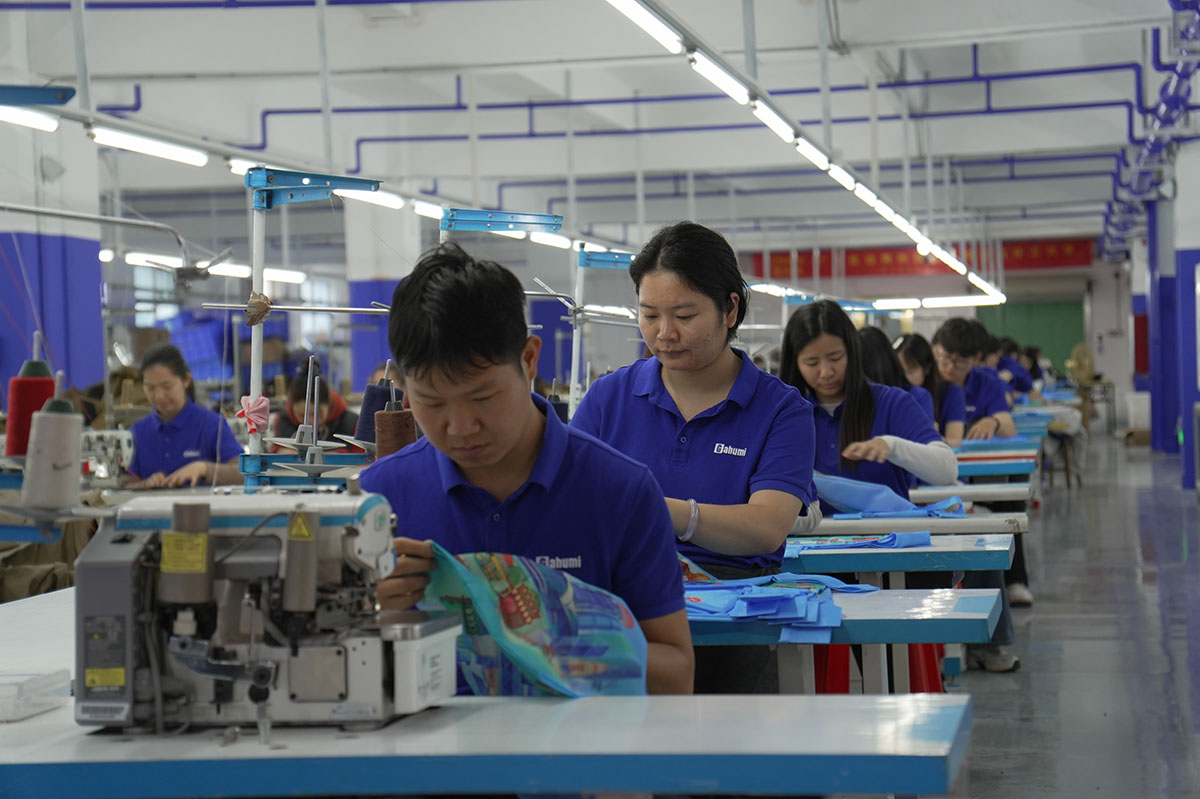
Ensure the factory can handle your volume, deadlines, and customization requests. For example, Gahumi’s state-of-the-art facilities support small-batch runs (min. 500 units) and large-scale orders, with options for screen printing, digital printing, and embroidery.
Review Quality Control Processes:
A reputable OEM will have rigorous quality checks at every stage. Gahumi’s in-house testing lab and partnerships with SGS ensure products meet international safety and durability standards.
Consider Cost and Transparency:
Request detailed quotes that outline material, labor, and shipping costs. Avoid hidden fees by working with factories like Gahumi, which provide upfront pricing and flexible payment terms.
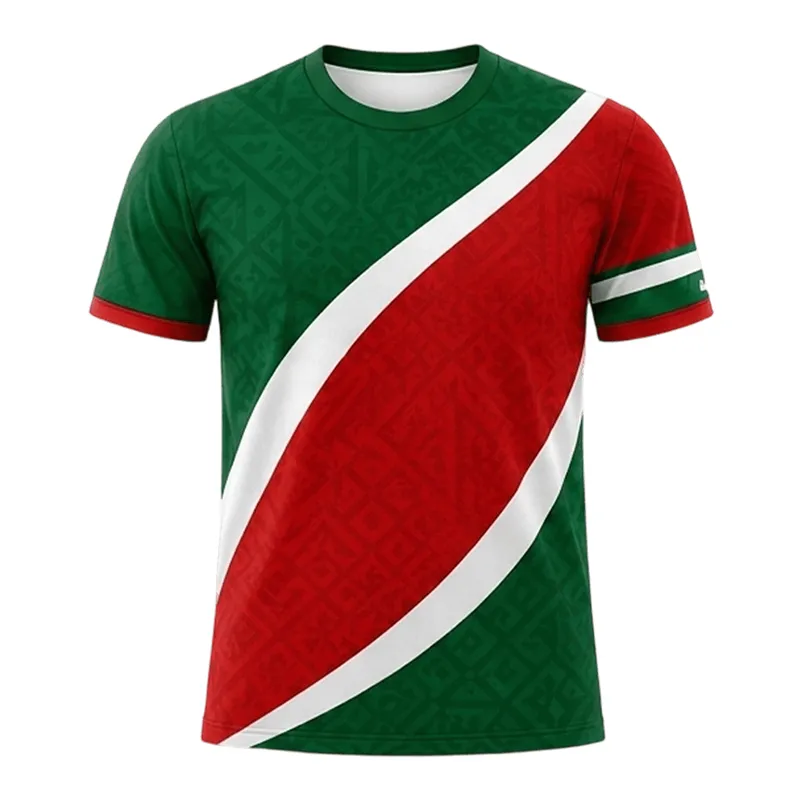
Case Study: A sports apparel brand reduced production costs by 25% and improved delivery times by 30% after switching to Gahumi for custom sublimated jerseys.
Industry Keywords: Garment Printing Services, B2B Textile Solutions, Private Label Manufacturing
The Collaboration Process: From Concept to Delivery
A seamless collaboration with your OEM partner involves clear communication and alignment at every stage:Design & Prototyping:
Share detailed design files (e.g., CAD, Pantone codes) and work with the factory’s R&D team to refine samples. Gahumi offers free design consultations and rapid prototyping (1–3 days).
Material Sourcing:
Choose eco-friendly or premium fabrics (e.g., organic cotton, recycled polyester) with the factory’s guidance. Gahumi sources materials globally and ensures compliance with OEKO-TEX® standards.
Bulk Production:
Monitor progress via regular updates and factory visits (virtual or in-person). Gahumi’s ERP system tracks orders in real time, minimizing delays.
Logistics & Fulfillment:
Opt for door-to-door shipping or DDP (Delivered Duty Paid) options. Gahumi partners with DHL, FedEx, and ocean freight providers for cost-effective delivery.
Pro Tip: Use project management tools like Asana or Trello to streamline communication and deadlines.
Industry Keywords: Textile Manufacturing Partnerships, Custom Apparel Production, Private Label Textiles
Mitigating Risks in OEM Partnerships
Even with thorough vetting, risks like delays, quality issues, or intellectual property (IP) disputes can arise. Mitigate these by:Signing a Detailed Contract:Specify timelines, quality standards, and penalties for breaches.
Protecting Your IP:Include clauses to safeguard designs and trademarks. Gahumi respects client confidentiality and offers non-disclosure agreements (NDAs).
Diversifying Suppliers:Partner with multiple factories for critical products to avoid supply chain disruptions.
Industry Keywords: Textile OEM Risks, Private Label Compliance, Custom Manufacturing Agreements
Trends Shaping the Textile OEM Landscape
Stay ahead of industry shifts to future-proof your brand:- Sustainability:Consumers demand eco-friendly products. Gahumi offers recycled materials, waterless printing, and carbon-neutral shipping options.
- Speed-to-Market:Agile manufacturing (e.g., on-demand printing) helps brands respond to trends faster.
- Personalization:Customization (e.g., embroidered logos, bespoke packaging) enhances brand loyalty.
- Industry Keywords: Sustainable Textile Manufacturing, Agile Apparel Production, Custom Branded Merchandise
Partnering with a textile OEM factory like Gahumi is a powerful strategy to drive brand growth, innovation, and profitability. By prioritizing expertise, transparency, and collaboration, brands can unlock competitive advantages in a crowded market. Whether you’re launching a new product line or expanding globally, the right OEM partner will become an extension of your team, ensuring your vision translates into market-leading results.

.png)