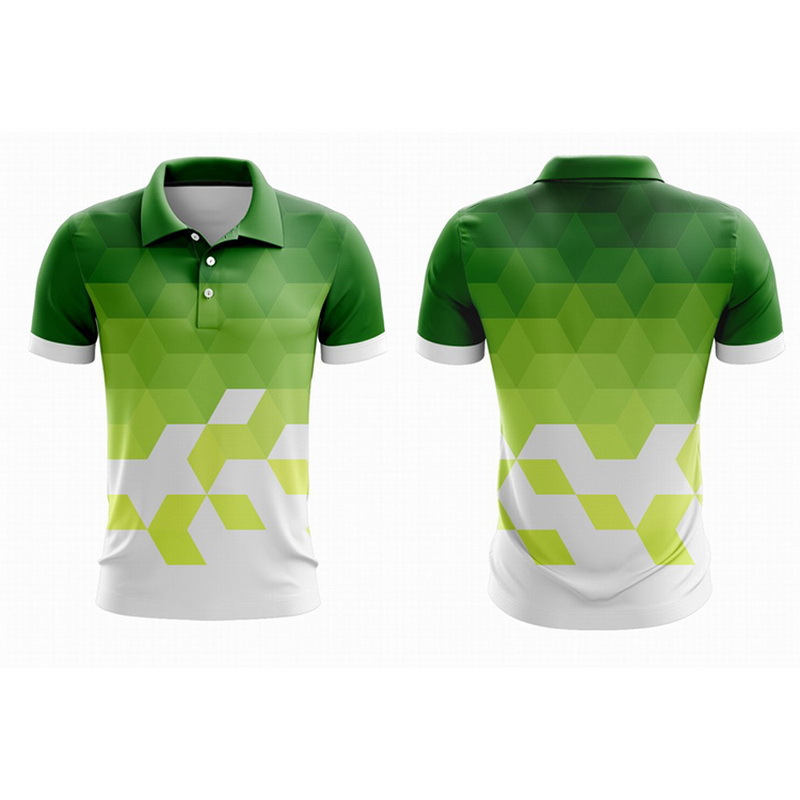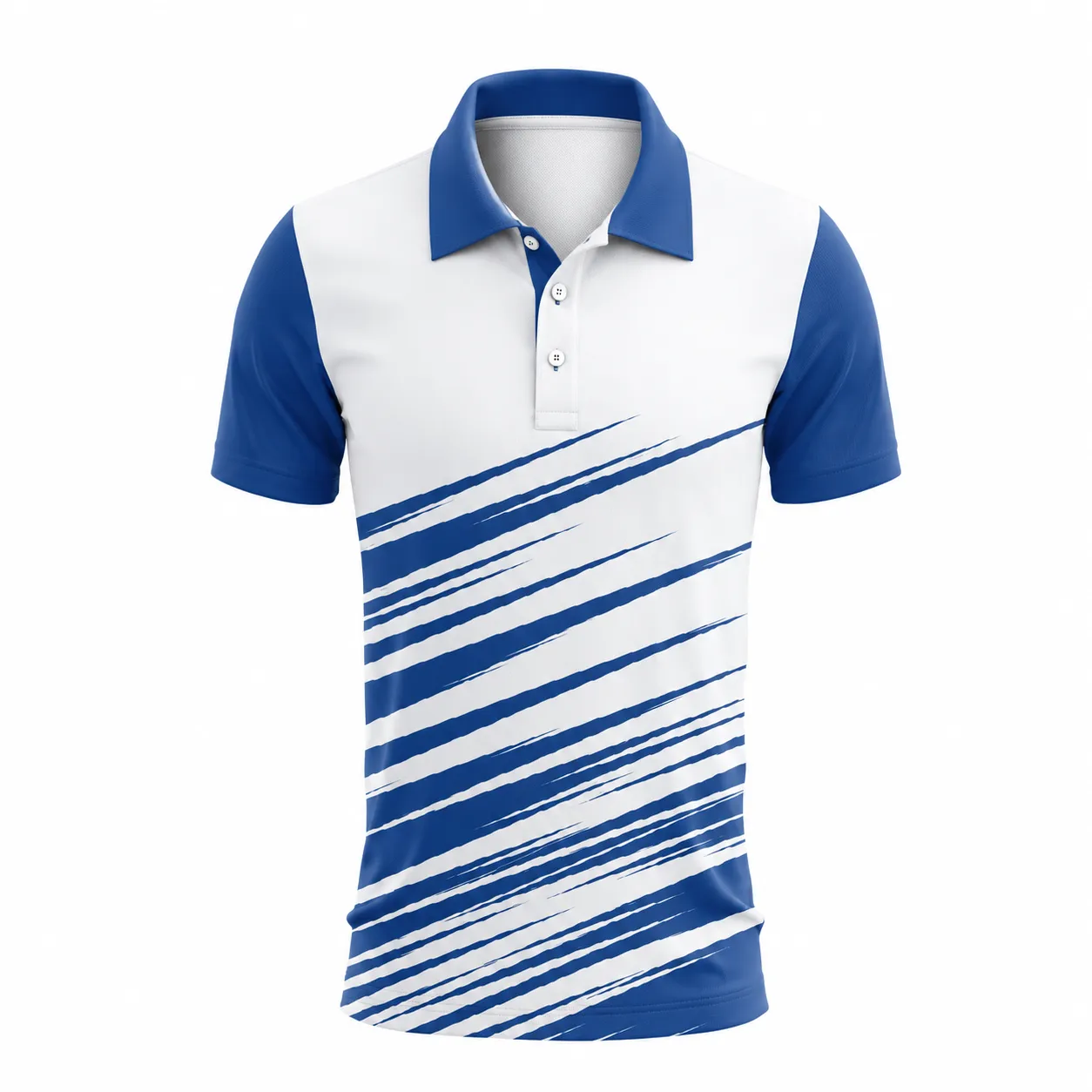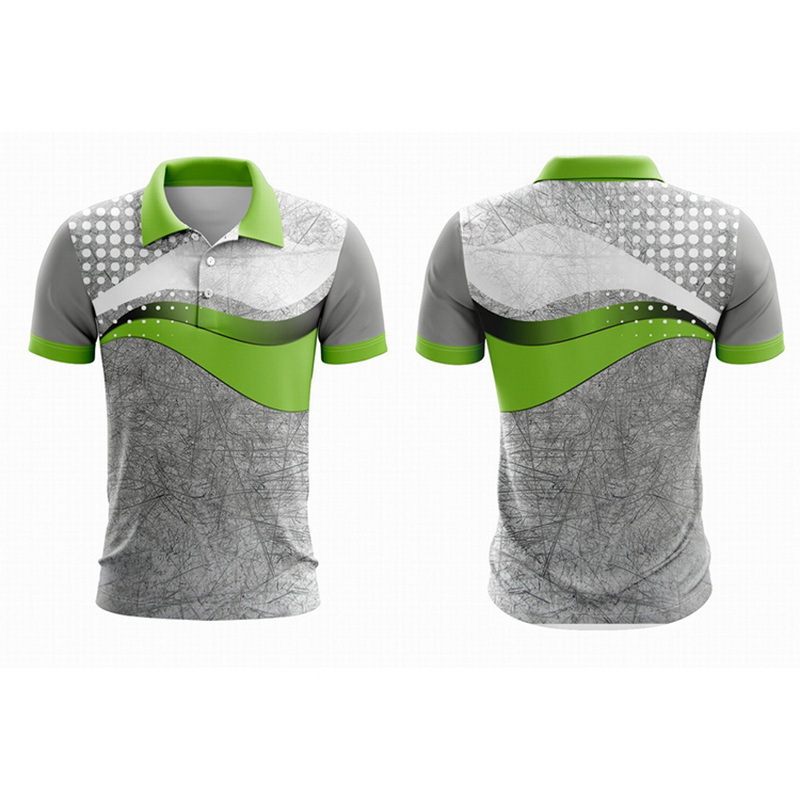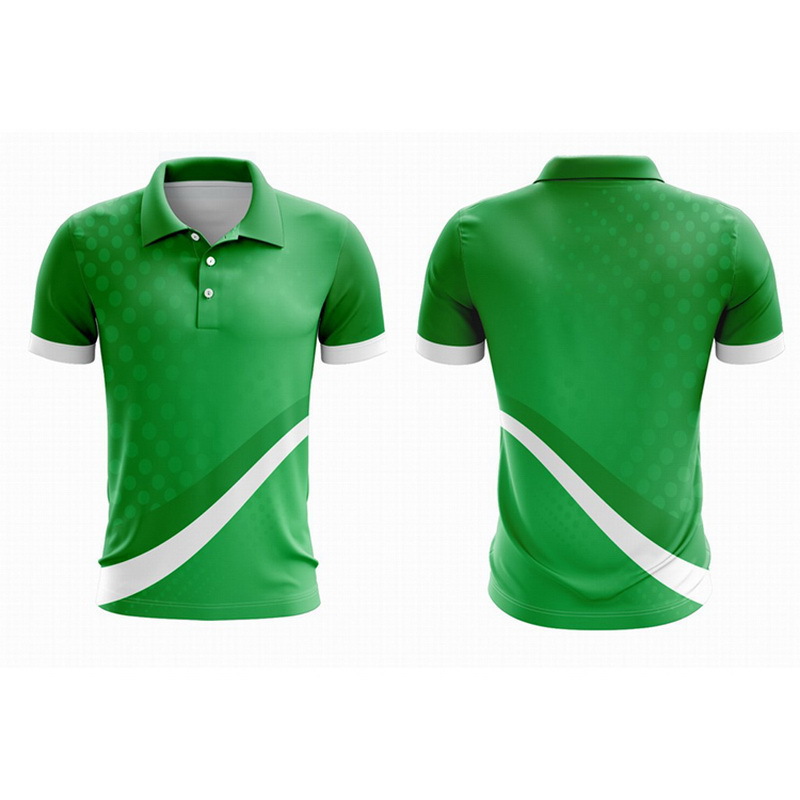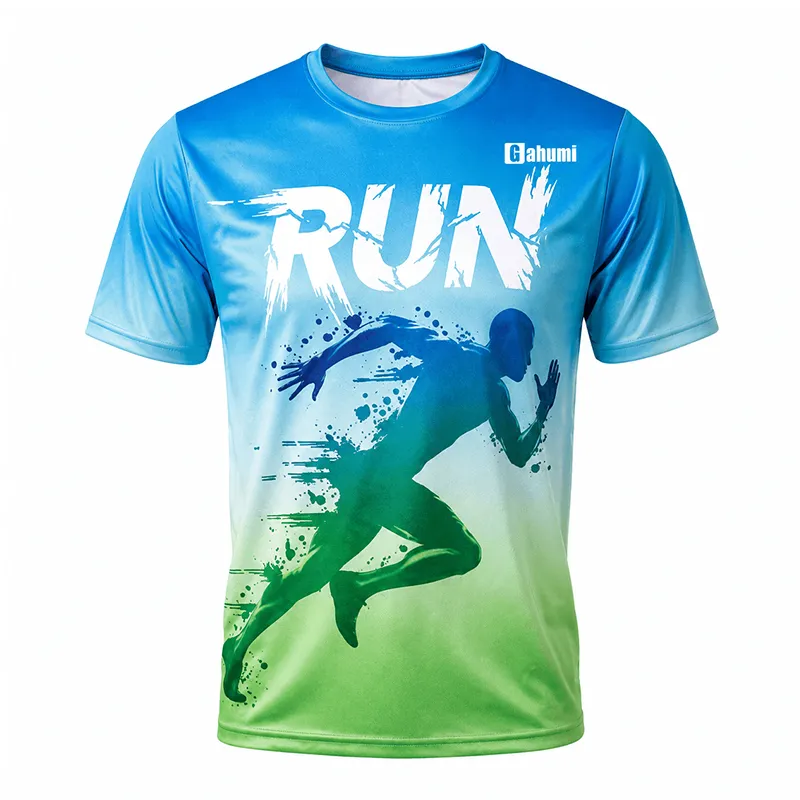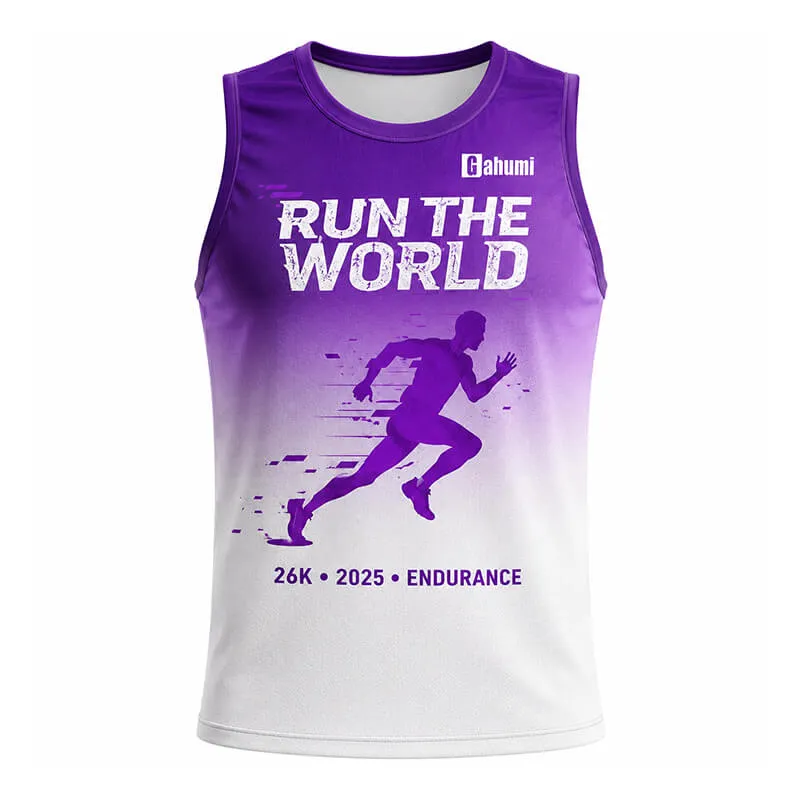
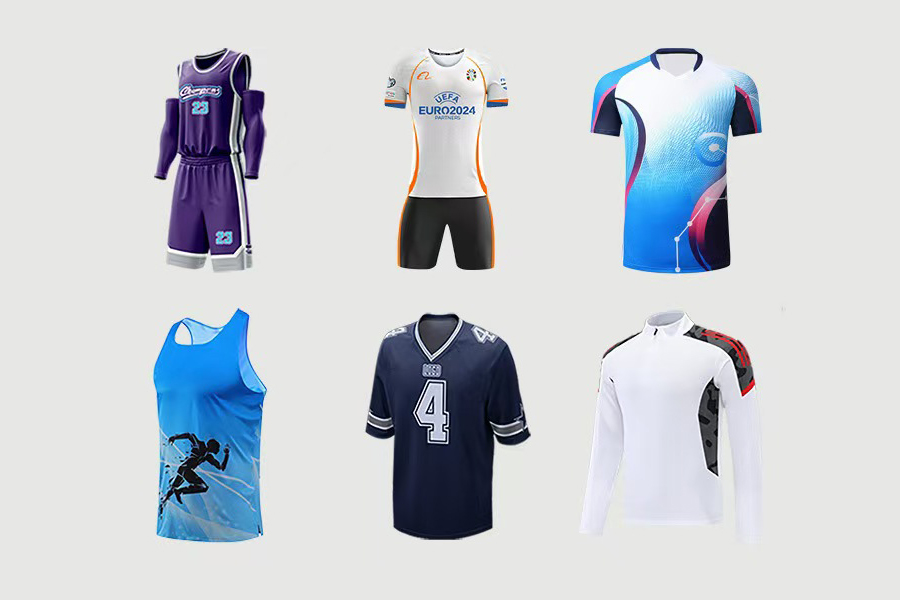
 Tshirt
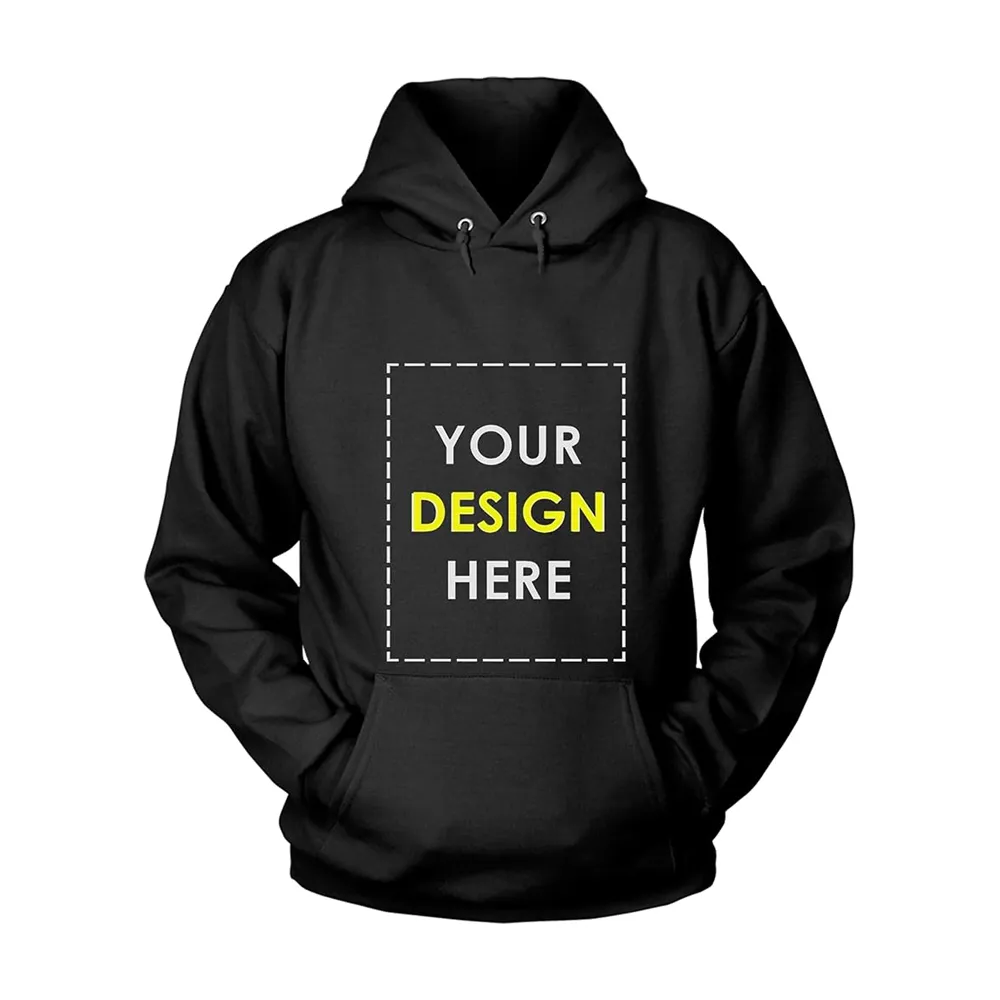 Custom Hoodie & Sweat
 Custom Bags
 Flag
Flag
 Towel
Towel
 Custom Scarf
 Cap
Cap

.webp)
.webp)
.webp)
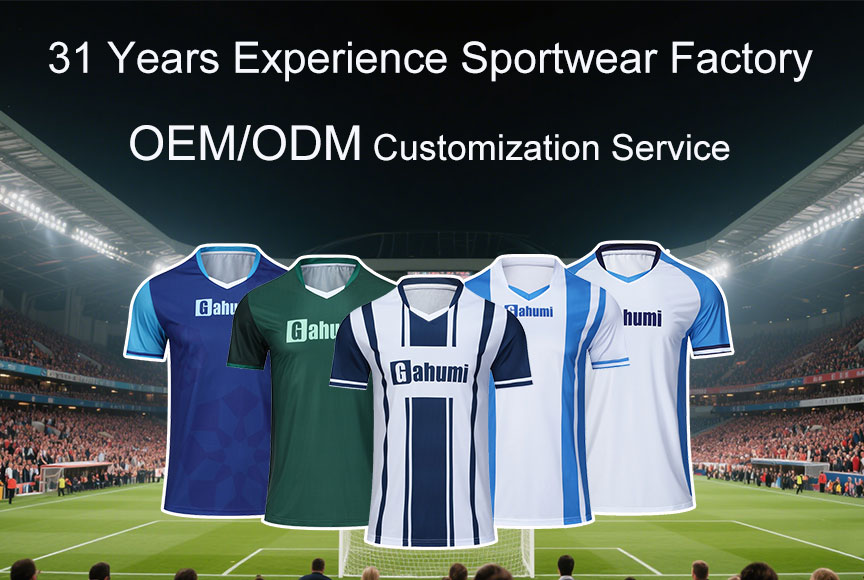
As global markets grow increasingly saturated, brands are no longer competing on production efficiency alone—they’re battling for design-driven differentiation. This shift has propelled forward-thinking OEM manufacturers to evolve into OBM (Original Brand Manufacturing) partners, offering end-to-end solutions that blend industrial scale with creative innovation. For brands seeking to command premium pricing and consumer loyalty, partnering with OEMs that deliver design-led value creation, material science expertise, and co-branded IP development is now a strategic imperative. This article explores how Gahumi’s transition from traditional OEM to design-empowered OBM enables clients to unlock higher margins, faster time-to-market, and sustainable brand equity in an era where creativity defines commercial success.
The OEM-OBM Evolution: Why Design Is the New Currency
The traditional OEM model, focused solely on executing client-provided designs, faces obsolescence as brands demand:
- Faster Innovation Cycles: 62% of consumers expect new product drops every 3 months (McKinsey, 2023).
- Cost-Effective Customization: 45% of B2B buyers prioritize suppliers offering co-design services (Gartner).
- IP Ownership Opportunities: Exclusive patterns or fabric technologies that competitors cannot replicate.
Gahumi’s OBM approach addresses these needs through vertical integration of R&D, design, and production—transforming generic T-shirts, towels, and flags into margin-boosting brand assets.
4 Pillars of Design-Driven Value Chain Elevation
Pillar 1: Trend-Forward Co-Creation Platforms
Gahumi’s in-house design team collaborates with brands to interpret global trends into manufacturable innovations:
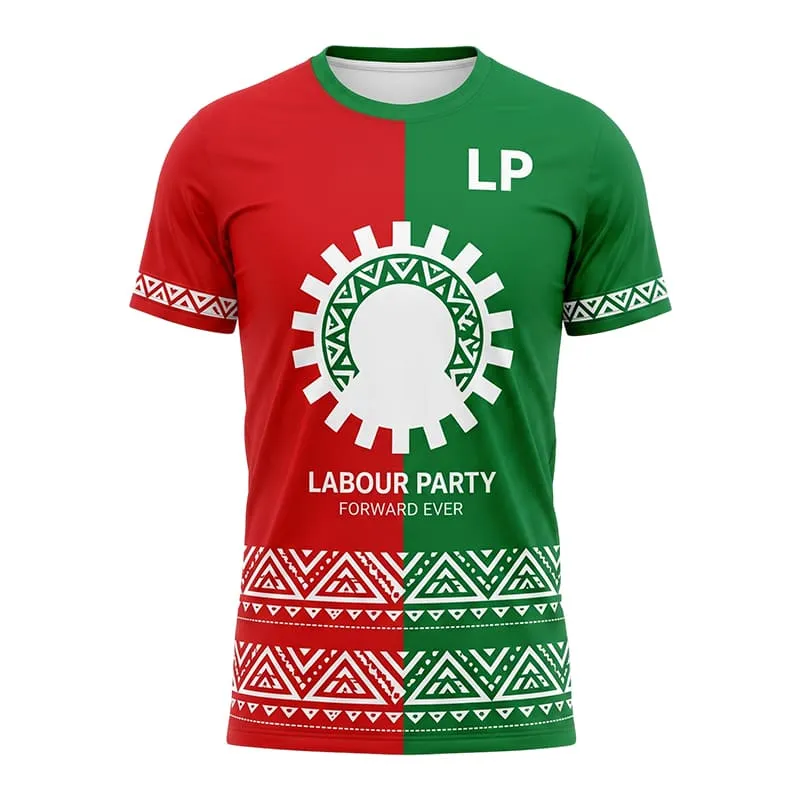
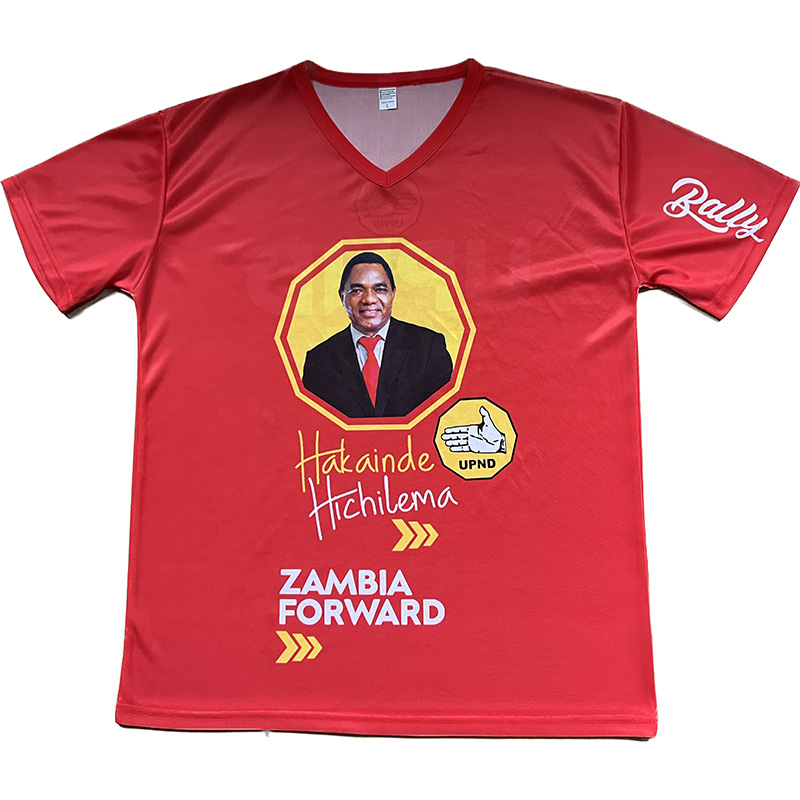
- Cultural Intelligence: Developing election-themed scarves using localized color symbolism.
- Material Innovation: Creating UV-reactive yarns for limited-edition festival flags.
- Rapid Prototyping: Delivering 3D-rendered samples of embroidered hats within 72 hours.
A sportswear brand increased margins by 22% using Gahumi’s heat-mapped T-shirt designs that doubled as wearable fitness trackers.
Pillar 2: IP-Generating Technical Solutions
OBM partnerships thrive on proprietary advancements:
- Patented Dye Techniques: Gahumi’s “ColorLock” technology ensures flags retain vibrancy after 50+ washes.
- Exclusive Fabric Libraries: Over 200 certified sustainable textiles, including algae-based canvas for bags.
- Modular Design Systems: Hats with interchangeable brims and liners, reducing SKU complexity by 40%.
Pillar 3: Brand-Integrated Storytelling
Gahumi helps clients transform products into narrative vehicles:
- QR-Enabled Tags: Scanning a towel’s label reveals the artisan’s story and dye origin.
- Seasonal Lookbooks: Co-produced with brands to showcase OEM-enabled designs.
- Co-Branded Certifications: Jointly developed sustainability seals for recycled polyester flags.
Pillar 4: Data-Driven Design Optimization
Leveraging post-sale analytics to refine future collections:
- Wash Test Feedback: Monitoring towel durability across 10,000 home laundry cycles.
- Regional Preference Analysis: Adjusting flag sizes/styles based on climatic data from target markets.
Case Study: 35% Premium Pricing via OBM Collaboration
A European outdoor retailer partnered with Gahumi’s OBM division to reinvent its hiking accessories:
- Phase 1: Co-developed moisture-wicking scarves with GPS-enabled stitching for safety.
- Phase 2: Launched a Gahumi-designed Collection of UV-blocking hats and multipurpose flags.
- Phase 3: Secured exclusive rights to Gahumi’s anti-odor fabric technology for 3 years.
Results:
- 35% average price increase vs. previous OEM-produced lines.
- 18% reduction in returns due to improved durability.
- Shortlisted for 2024 Outdoor Industry Innovation Award.
Balancing OEM Reliability with OBM Creativity
Critics argue design-focused OBM risks production stability. Gahumi counters through:
- Dedicated Innovation Zones: Isolated R&D hubs within factories prevent disruption to bulk orders.
- Phased Integration: Gradual rollout of OBM services, starting with 5% of client projects.
- Fail-Safe Protocols: Maintaining traditional OEM workflows for risk-averse clients.
The Financial Logic: Why OBM Delivers 3x ROI
- Higher Margins: OBM-designed products achieve 20–35% premiums vs. 8–12% for standard OEM.
- Inventory Efficiency: Data-driven designs reduce deadstock by 27% (Gahumi client average).
- Brand Equity Growth: 64% of consumers pay more for products with unique design stories (Deloitte).
Implementing the OBM Shift: A 5-Step Roadmap
Capability Audit: Assess existing design, R&D, and IP management strengths. Client Segmentation: Identify brands open to co-creation vs. those needing traditional OEM. Talent Investment: Hire trend analysts, textile engineers, and IP lawyers. Pilot Programs: Launch limited OBM collections with trusted partners. Certification Stacking: Obtain design patents and sustainability certifications to bolster credibility.Why Gahumi Leads the OBM Revolution
With 31 years of OEM mastery, Gahumi’s evolution into design-empowered OBM redefines manufacturing partnerships. Our 300+ designers and engineers, coupled with 5,000 sqm of vertically integrated facilities, enable brands to transcend transactional production and embrace value chain ownership. Whether it’s election flags that become collector’s items or ergonomic hats that redefine outdoor gear, Gahumi proves that in the age of creative capitalism, the factory floor is the new design studio.
.png)