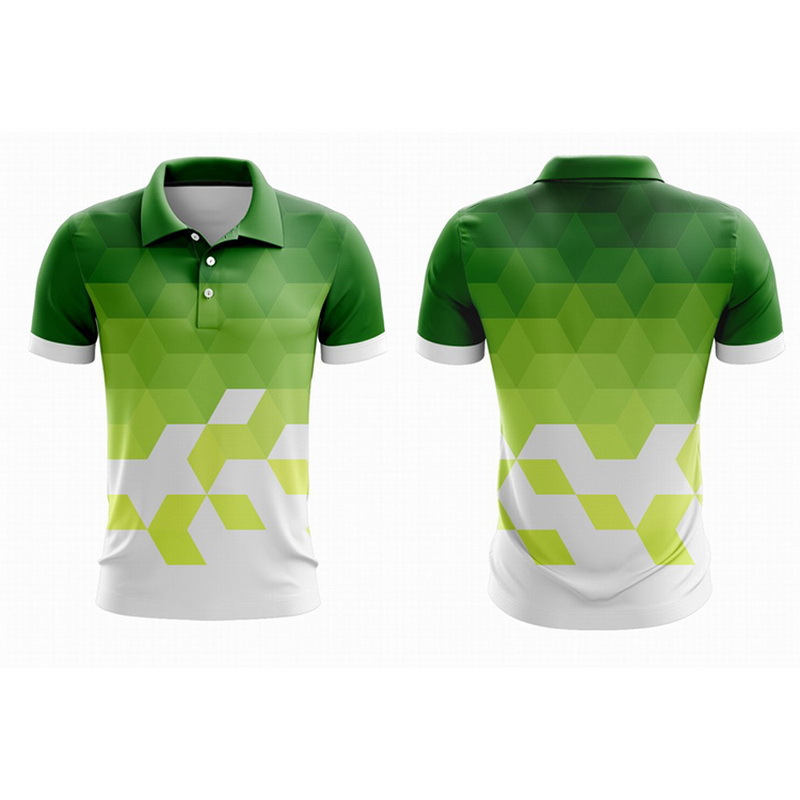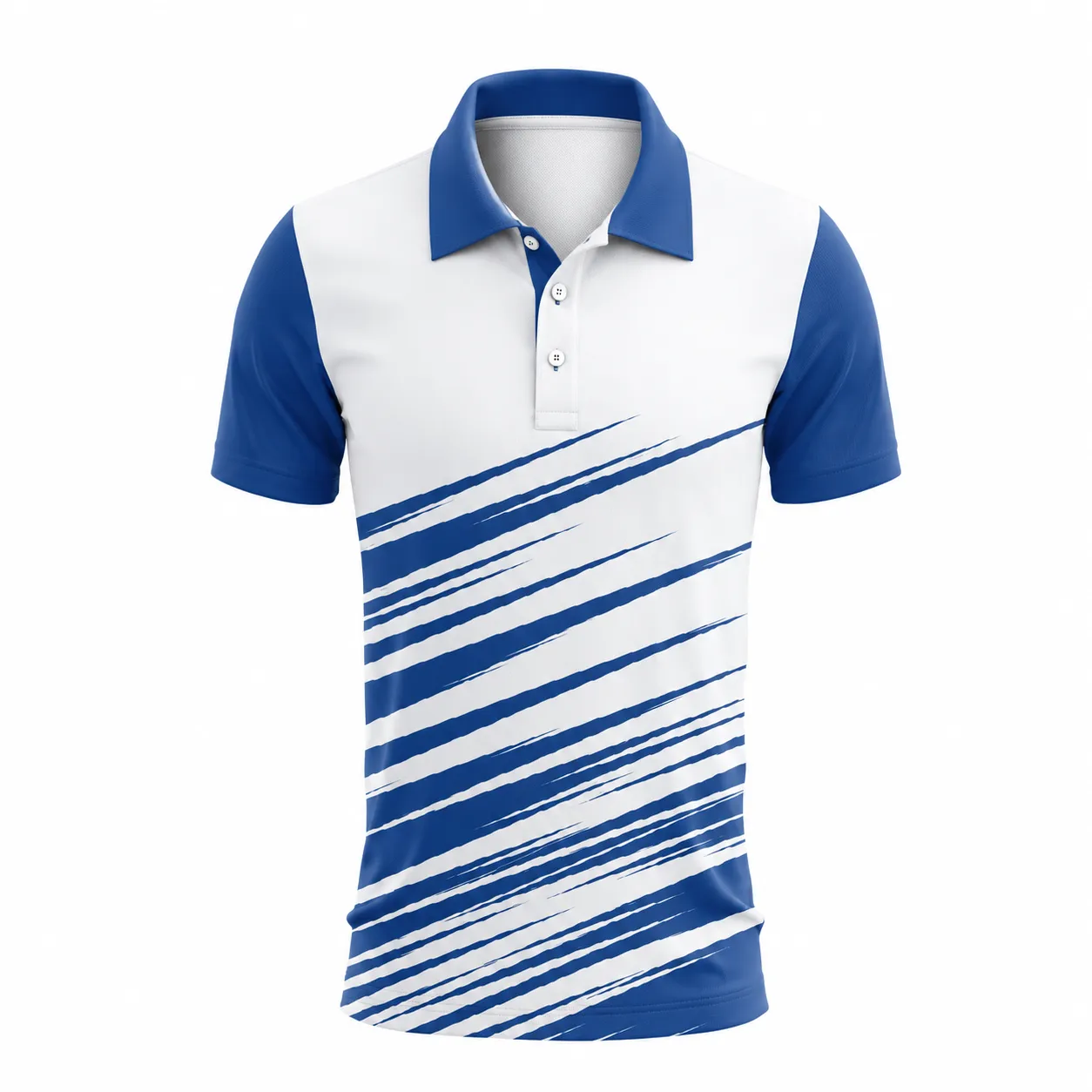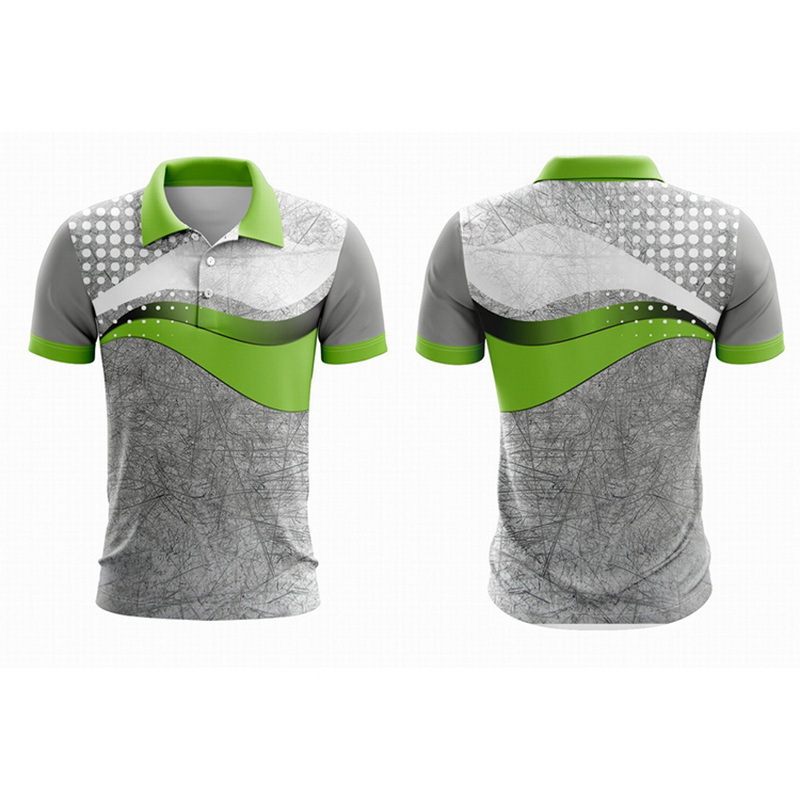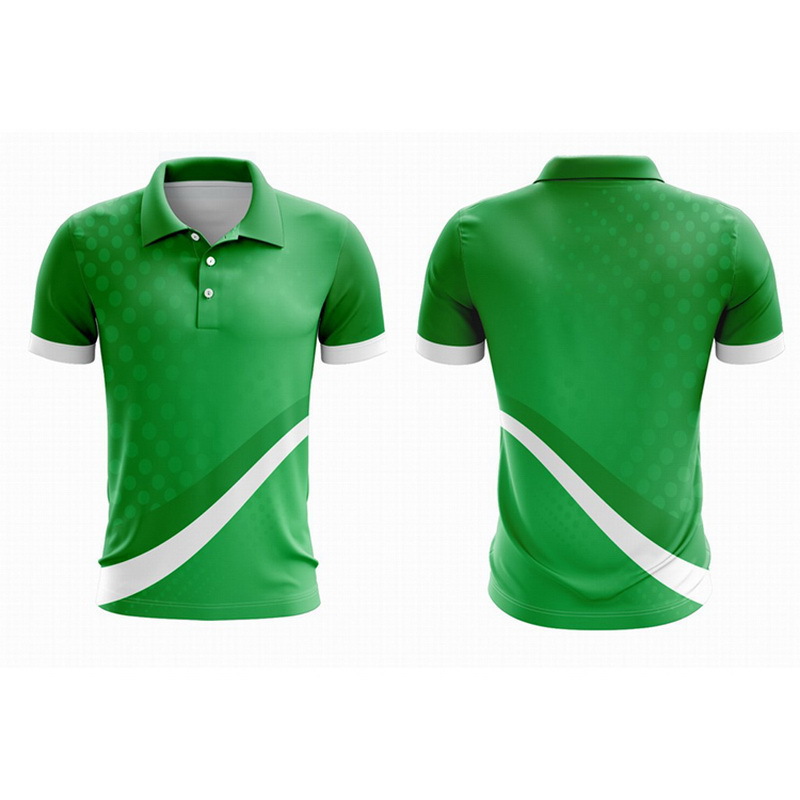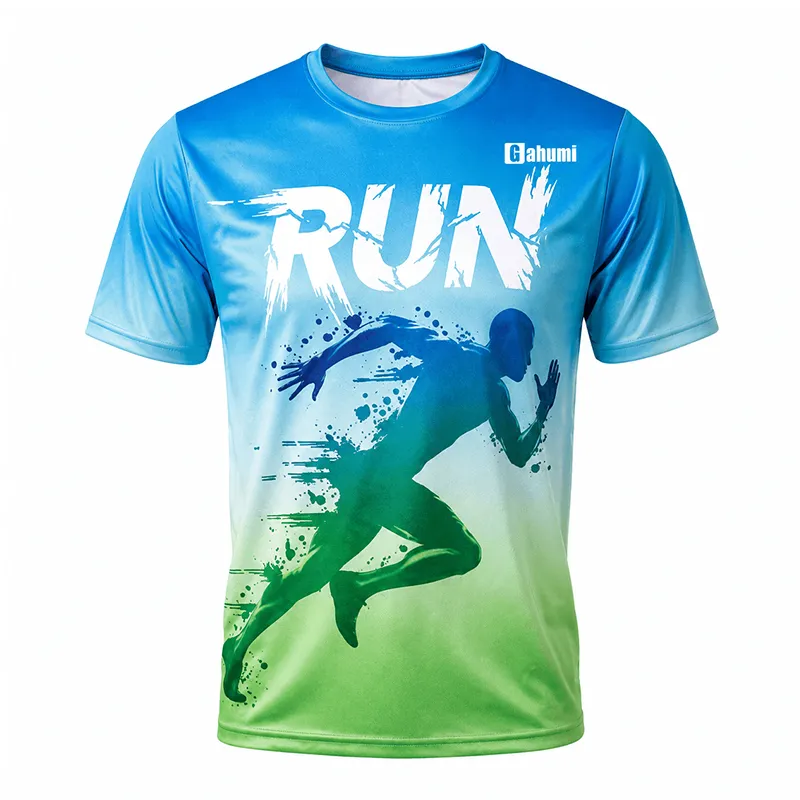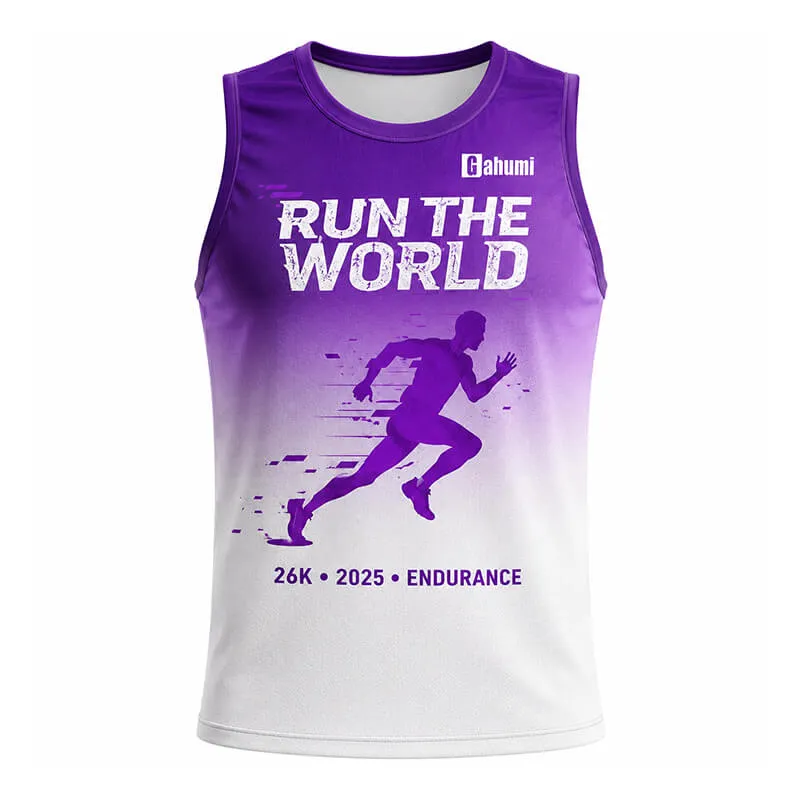
 Tshirt
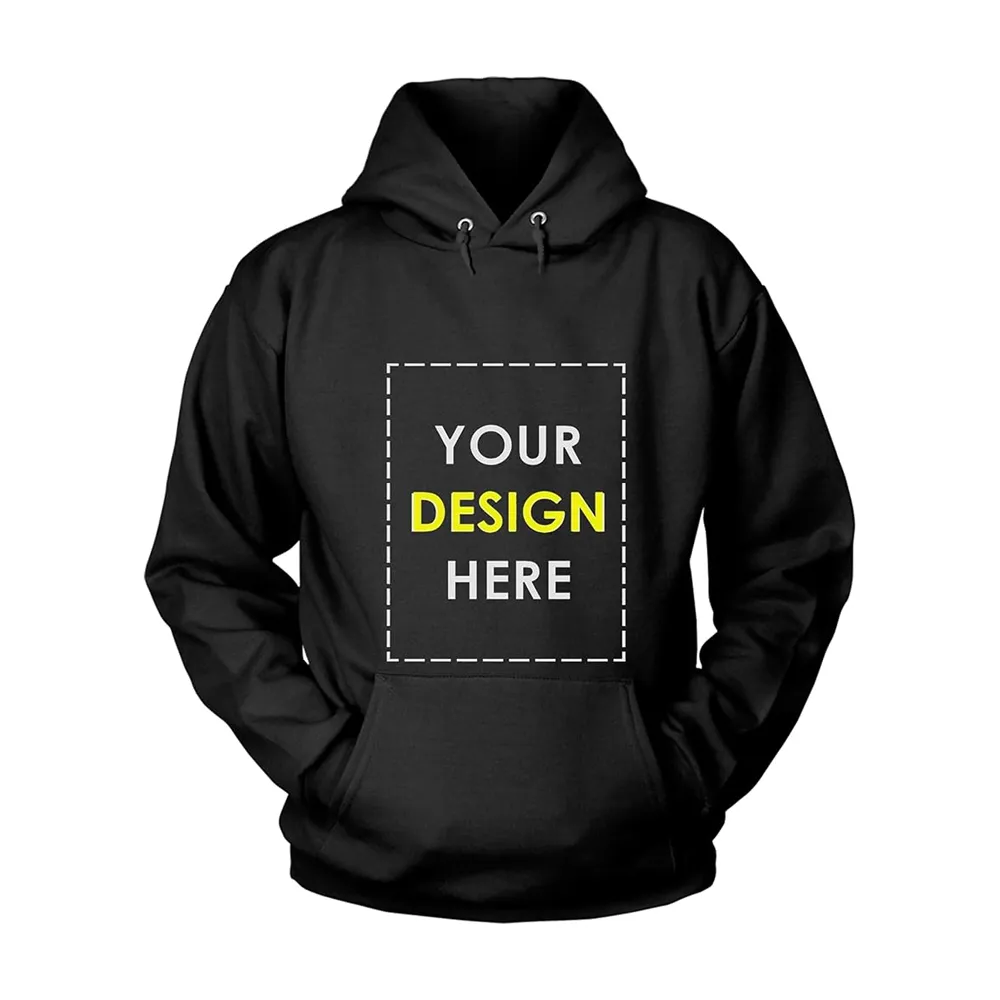 Custom Hoodie & Sweat
 Custom Bags
 Flag
Flag
 Towel
Towel
 Custom Scarf
 Cap
Cap

.webp)
.webp)
.webp)
In today’s competitive market, shopping bags have evolved from simple carriers to powerful brand ambassadors and sustainability tools. Manufacturers now offer extensive customization options to meet diverse needs, from material selection to intricate design details. Whether you’re a retail brand, event organizer, or eco-conscious business, understanding these options is key to creating bags that align with your goals. Below’s a comprehensive overview of the customization possibilities available.
1. Material Selection: Durability, Sustainability, and Purpose
The choice of material defines a bag’s performance, cost, and environmental impact. Manufacturers provide tailored options to match specific use cases:
Non-Woven Polypropylene (PP)
A versatile synthetic material, measured in grams per square meter (gsm), balancing durability and affordability:
- 60–70gsm: Lightweight and cost-effective, ideal for one-time events (trade shows, product launches) or promotional giveaways where budget efficiency is critical.
- 80–100gsm: The most popular choice for daily use, supporting 10–15kg loads—perfect for grocery shopping, retail purchases, or regular commutes.
- 110–150gsm: Heavy-duty variants designed for repeated use with heavier items (books, electronics). Resists tearing and fraying, even with frequent handling.
Natural Fibers
For brands prioritizing texture and sustainability:
- Canvas (12–16oz): A durable cotton-based fabric that softens with washing but retains strength. Ideal for premium totes, long-term branding, or high-end retail.
- Organic Cotton: GOTS (Global Organic Textile Standard)-certified, free from synthetic pesticides and dyes. Appeals to eco-conscious consumers and aligns with green branding.
Jute: A rustic, biodegradable material with high tensile strength. Adds an artisanal touch, making it perfect for farmers’ markets, craft fairs, or bohemian-style promotions.
Eco-Friendly Innovations
Sustainable alternatives to traditional plastics:
- PLA/PBAT Blends: Biodegradable polymers that decompose in industrial compost within 180 days, certified by EN 13432 (Europe) and ASTM D6400 (US).
- Recycled Materials: Post-consumer plastic (from bottles) or cotton waste repurposed into functional fabrics. Reduces landfill waste while maintaining structural integrity.
2. Bag Styles: Functionality Tailored to Use Cases
Manufacturers offer diverse structures to ensure bags work for their intended purpose, blending practicality with brand identity:
Style Key Features Best For
- Tote Bags Open top, adjustable long/short handles Daily shopping, brand visibility (logotypes on front)
- D-Cut Bags Simple cut-out handles, lightweight Event giveaways, trade show swag
- Box-Shaped Bags Reinforced base, rigid sides Groceries, fragile items (e.g., glassware)
- Drawstring Bags Cord closure for security Gym gear, gift packaging, small essentials
- Backpack Styles Adjustable shoulder straps Hands-free use (travel, school, outdoor activities)
Specialized designs include stand-up box bags (with rigid cardboard inserts for stability) and foldable totes (collapsing into compact pouches for easy storage). Custom sizing—from mini 9x12” (for favors) to large 15x16” (for bulk shopping)—ensures a perfect fit.
3. Printing & Branding: Turn Bags into Mobile Billboards
Printing is critical for brand visibility, and manufacturers offer techniques suited to material, design complexity, and budget:
Screen Printing
- Best For: Simple logos, text, or bold patterns on non-woven, canvas, or jute.
- Advantages: Cost-effective for large runs (500+ units), excellent ink adhesion (resists fading after 50+ washes), supports up to 3 colors.
- Use Case: Supermarket loyalty program bags with a single-color logo.
Digital Printing
- Best For: Small batches (1–50 units) or intricate designs (photo-realistic images, multi-color gradients).
- Advantages: No setup fees, quick turnaround, ideal for personalized orders (e.g., event attendee names).
- Limitations: Less durable for heavy-use bags; works best on cotton or non-woven materials.
Heat Transfer & Sublimation
- Heat Transfer: Applies designs via transfer paper, perfect for complex patterns on canvas or polyester blends.
- Sublimation: Infuses ink into fibers, creating fade-resistant, full-color prints on light-colored fabrics. Great for vibrant brand graphics.
- Premium Finishes
- Foil Stamping: Adds metallic (gold/silver) or holographic accents to logos—ideal for luxury retail (e.g., high-end fashion brands).
- Embroidery: Creates textured, 3D logos on canvas or cotton. Enhances durability and premium feel for corporate gifts.
4. Color & Texture: Align with Brand Identity
Customization extends to visual and tactile details to reinforce brand consistency:
- Pantone Matching: Ensures bag colors (fabric, handles, prints) align with brand guidelines—from neutral tones (beige, gray) to bold hues (neon, burgundy).
- Handle Variations: Options include cotton webbing, jute rope, leather straps, or padded PP for comfort. Metal rivets reinforce handles for heavy loads.
- Lamination: Glossy (boosts vibrancy for retail) or matte (reduces glare for corporate events) coatings protect prints and add water resistance.
- Special Effects: Fluorescent inks for high-visibility promotions (e.g., safety-focused brands), textured embossing for tactile branding, or UV coatings for sun resistance.
5. Functional Add-Ons: Boost Usability & Reuse
Practical features increase how often customers use bags, extending brand exposure:
- Closures: Zippers (for secure storage), Velcro, or snap buttons—essential for travel or gym bags.
- Reinforcements: Rigid bottom inserts (prevents sagging), X-stitched handles (resists tearing), or double-layered fabric (for heavy items).
- Pockets: Internal (for phones/keys) or external (for receipts) compartments—adds everyday utility for commuters.
- Smart Features: RFID-blocking layers (for security), reflective strips (for nighttime safety), or machine-washable linings (easy care).
6. Eco-Friendly Certifications: Validate Sustainability Claims
For brands prioritizing green values, manufacturers offer verified certifications:
- Compostable Labels: EN 13432, ASTM D6400, or OK Compost Home (for home compostability).
- Recycled Content Labels: Post-consumer waste (PCW) percentages (e.g., “40% recycled polypropylene”) to comply with eco-labeling standards.
- Organic Certifications: GOTS for cotton bags, ensuring ethical production (fair labor, no harmful chemicals).
About Gahumi
Founded in 1994, Gahumi is a comprehensive fabric-printing enterprise integrated with product R&D, design, manufacture and sales. We offer a full line of fabric-printing products, including towels, golf towels, flags, advertising T-shirts, sports items, fans’ scarves, hats & caps, and other election accessories, etc.
Based on 31 years of manufacturing experience, we have been exporting products to the US, Europe, East Asia, Africa, and the Middle East, and have established long-term partnerships with companies around the world.
With over 300 highly qualified employees and 3 manufacturing facilities covering a total area of 5,000 square meters (including a raw material center, sewing center, fully automatic printing center, and assembling center), our clients benefit from lower manufacturing costs and timely mass production for market launch.

.png)